
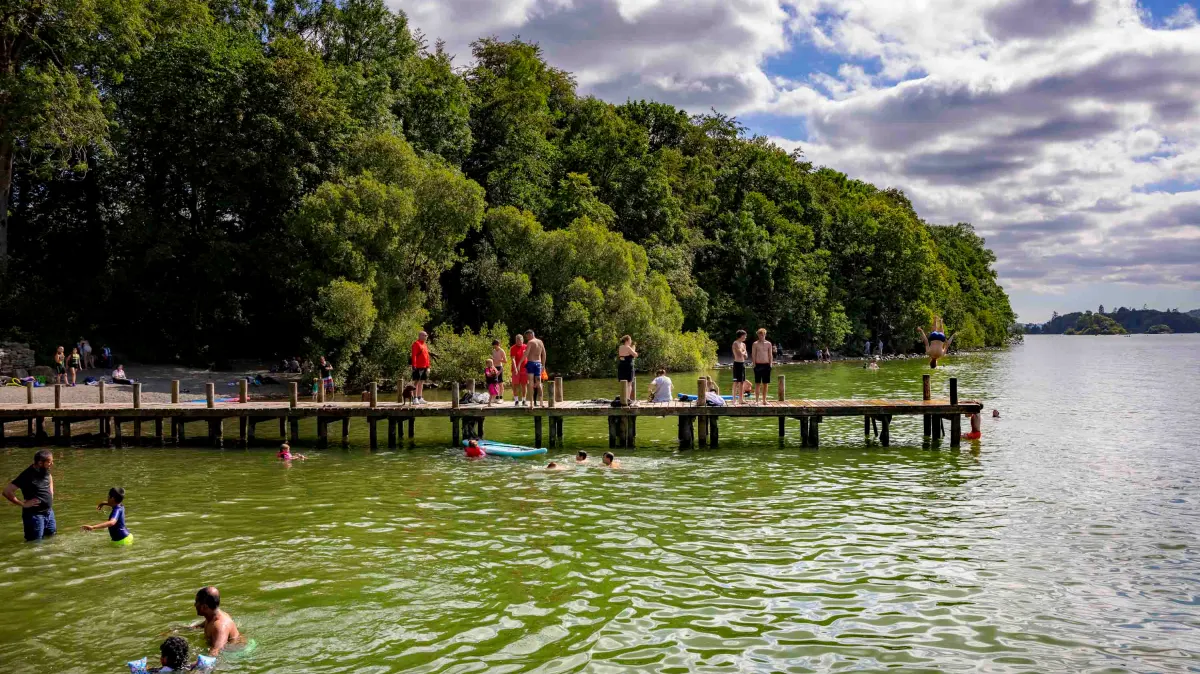
A water company has pledged to restore Windermere to its natural levels of cleanliness through a seven-year mega-project that will divert pollution away from England’s largest lake.
In a significant victory for campaigners, United Utilities has said for the first time that it will ensure that only rainwater enters the lake, which is on the Unesco world heritage list.
An ambitious tunnelling project, likened to London’s so-called super-sewer, will ensure that treated and untreated sewage no longer reach the lake’s two basins and its catchment.
In recent years the strains have become visible on Windermere, which is vital for tourism and home to fish including the rare Arctic charr, through a series of algal blooms that choke freshwater life. The lake has warmed by 1C since the 1950s, making blooms more likely when nutrient pollutants from sewage and agriculture enter the water.
Analysis suggests that at least 6,000 hours of raw sewage spilt into the lake in 2024. A series of incidents, including one in which telecoms equipment failed and millions of litres of raw sewage were accidentally spilt into the lake, have heaped pressure on United Utilities to act.
Now the company is readying a long-term fix following a feasibility study that will finish next month and be published in September. Engineers and local groups have looked at more than a hundred options to divert effluent, raw sewage and runoff from roads away from Windermere.
Louise Beardmore, the company’s chief executive, said: “Essentially, what we’ve been working on is an interceptor sewer, tunnelled around the lake, and that will take all of those discharges away to an upgraded treatment works.”
Environment newsletter
The latest climate, energy and nature news and analysis, plus reasons to be hopeful.
Sign up with one click
Speaking at the Lake District Book Festival, she told The Times: “It will mean that we’ll be able to return the lake to as clear and pure as it possibly can be.”
The project is expected to involve tunnelling to minimise disruption to local people, piping pollutants away from the catchment for treatment elsewhere.
The move to a long-term solution marks a significant shift by the company, which has spent £75 million since 2000 on upgrading sewage treatment plants and other infrastructure. A further £200 million will be invested by 2030.
The new approach is modelled on the clean-up of Lake Annecy in France. Once plagued by wastewater, a significant infrastructure push in the 1960s and 1970s transformed it into one of Europe’s cleanest lakes.
Matt Staniek, of the campaign group Save Windermere, who has been lobbying for an Annecy-style overhaul, said he hoped the project would come to define how the UK valued nature. “We have such an anthropocentric point of view in the western world — that it’s people then nature. I think this flips in on its head,” he said.
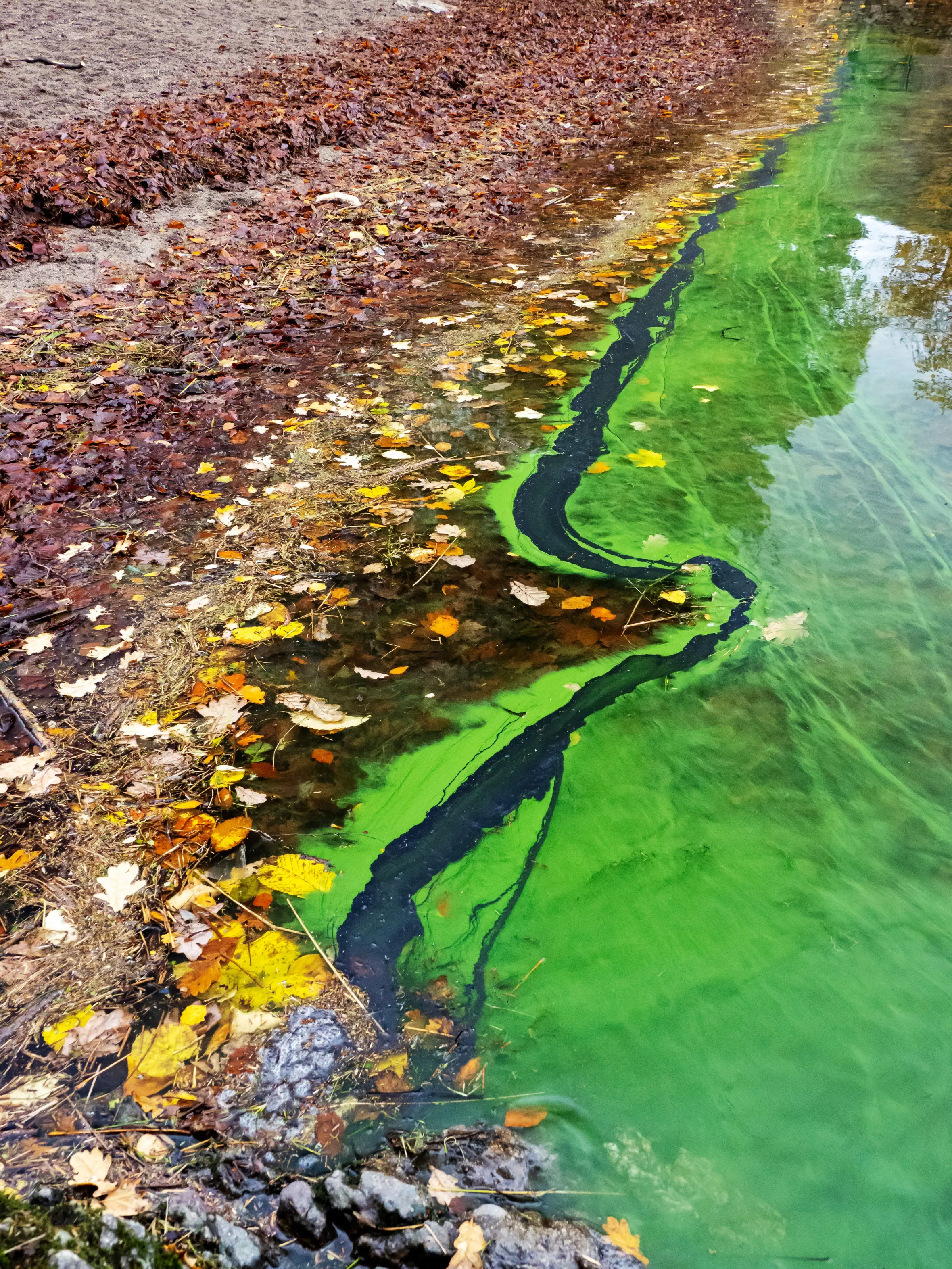 Warmer temperatures make algal blooms more likely …Alamy
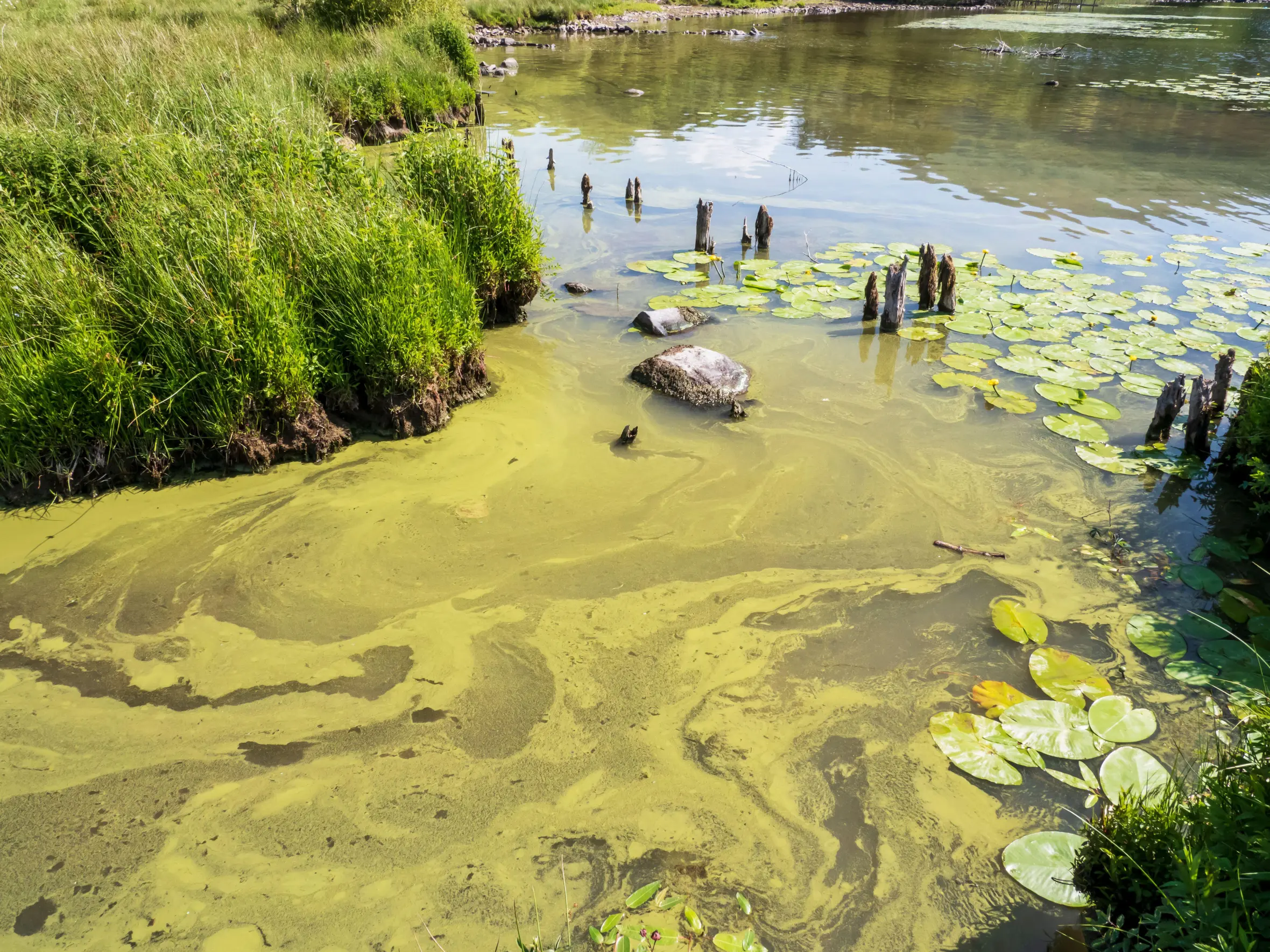 … exacerbated by sewage spillsAlamy
There is still a lot of detail to flesh out on the Windermere rescue plan. How much the new scheme will cost, how it will be paid for, the route for the tunnel and where the eventual treatment of sewage takes place have all yet to be determined.
Staniek said: “We can’t be just moving the problem [elsewhere].”
The scale of the project suggests it may have to be funded apart from the usual five-year spending periods regulators allocate to water companies. One model could be the £4.6 billion Thames Tideway tunnel that will ultimately be paid for by Thames Water customers over several decades.
Steve Reed, the environment secretary at the time, last year promised to stop sewage reaching the lake but set no deadline for doing so and did not commit the government to giving financial support.
United Utilities indicated the Windermere project could take seven years to build. The company is proposing the lake would be clean enough to host outdoor freshwater sporting events if the north of England’s bid to host the 2040 Olympic Games is successful.
The timeline implies the firm would have to move fast to win regulatory approval and raise financing, amid a backdrop of wider government reforms to the water sector.
The Times’s Clean It Up campaign has been calling for better regulation and deeper investment to improve the state of the nation’s waterways.