
In our How I Manage My Money series, we aim to find out how people in the UK are spending, saving and investing money to meet their costs and achieve their goals.
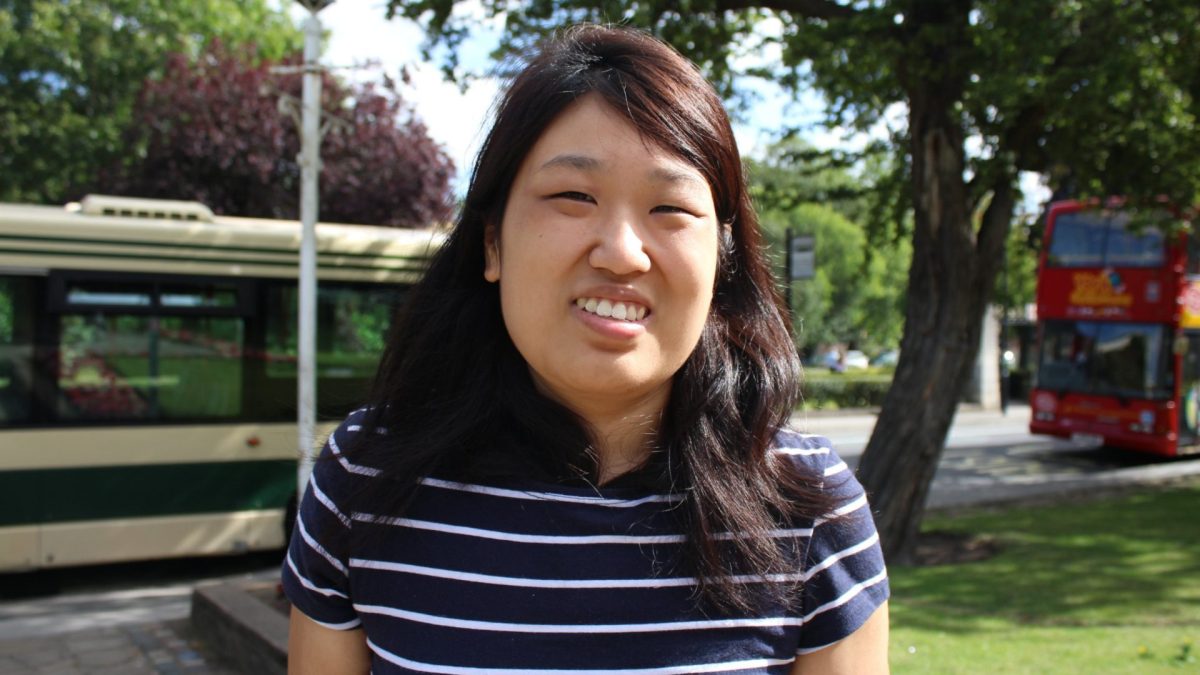
This week, we speak to Lorna Luo, 32, who lives with her parents in London and works freelance in artificial intelligence (AI) connected to medicine. Lorna quit medicine and has seen her pay rise sharply. She has £150,000 in cash Isas and has started a self-invested personal pension since going freelance. Lorna doesn’t want to be working in her seventies.
Monthly budget
My monthly income: I earn £315 a day from my freelance role as a healthcare and medical informatics editor for The BMJ. Before tax, on a monthly basis, I can make about £6,000 to £6,900 a month, depending on how many hours and days I work. I take home around £4,000 a month and always set aside money for tax.
My monthly outgoings: I’m not currently paying anything for accommodation and bills, but have put payments down to start renting soon. Groceries, £100; petrol, £50; mobile phone, £35; money into a self-invested personal pension (SIPP), £500; money into savings accounts, £1,050; eating out and takeaways, £50 to £60; clothes, £10 to £20; renting a movie online, £6; travelling on the tube in London, £30. I don’t have any subscriptions.
I went to a private school before studying medicine at the University of Leeds. I was able to leave without having any student debt or loans, largely thanks to my parents. I did a six-year degree and graduated in 2018.
I took on foundation NHS jobs at hospitals in Milton Keynes and Oxford, on about £1,000 a month without overtime, before moving to GP training. While doing GP training, I was taking home about £3,000 a month. I had to pay £500 to do my first main GP exam and £1,000 for the second one. There are lots of additional costs and membership fees involved while studying and working in medicine.
I found working in medicine stressful and realised I wanted to go down a different path. I took a year out and started looking for non-medical roles. I spotted a Reddit post about working in medical artificial intelligence, which appealed to me.
I’m now working freelance five days a week as a healthcare and medical informatics editor, earning in excess of £6,000 a month before tax. I’m working to help medics diagnose and treat patients more effectively with the aid of Artificial Intelligence (AI). I’m earning more than I did while training to be a GP. I speak to quite a few people who want to leave mainstream medicine, but don’t know where to start looking for alternative jobs.
While working in medicine, I found myself buying things on a whim unnecessarily and impulse-buying regularly, particularly after night shifts at a hospital. If I had money coming in, I would always spend it. I’d buy gadgets and clothes I knew I’d never use or wear.
Since going freelance, I have become much more disciplined with my finances. Recent L&G research found that many people stick to the same old savings habits even after they get a pay rise. This is certainly something I could relate to while working in medicine. I didn’t change my money habits even while earning more in GP training and never even considered investing when I was younger.
I had a fixed pension scheme while working in the NHS, meaning I could not increase or decrease my contributions. I don’t know how much is in my NHS pension, but I added around 9.3 per cent of my pay a month to it. I’ve recently opened a SIPP, which I am adding £500 a month to. It has £1,500 in it at present. I do not want to be working when I am in my seventies, and I know I would not be able to survive on the state pension alone.
I add £1,050 to two cash savings accounts with decent interest rates. I have about £150,000 spread between two cash Isas. I opened a stocks and shares ISA a few weeks ago, which has £1,000 in it. I’m looking to reduce the amount I put in my cash ISAs, partly because the Government is changing the rules about how much people can put in them.
I’m living at home now, but recently put down a couple of payments for a serviced rental studio flat in a student accommodation building in Leicester, where I’ll pay £1,000 a month for rent and bills.
I just went for the cheapest accommodation I could find, and it seems like a good deal and offers services like laundry and co-working spaces. I’ve held off buying my own home as I want to know I’m settled in a location before taking the plunge. I’ll have to see if my freelance contract gets renewed in December.
I’m not too fussed about how much I earn, but I have been surprised at how much higher my pay could be outside of medicine. When I was working in the NHS, I couldn’t ask for a pay rise. I’m very happy with the amount I am earning now.
Want to take part in How I Manage My Money? Email money@theipaper.com