
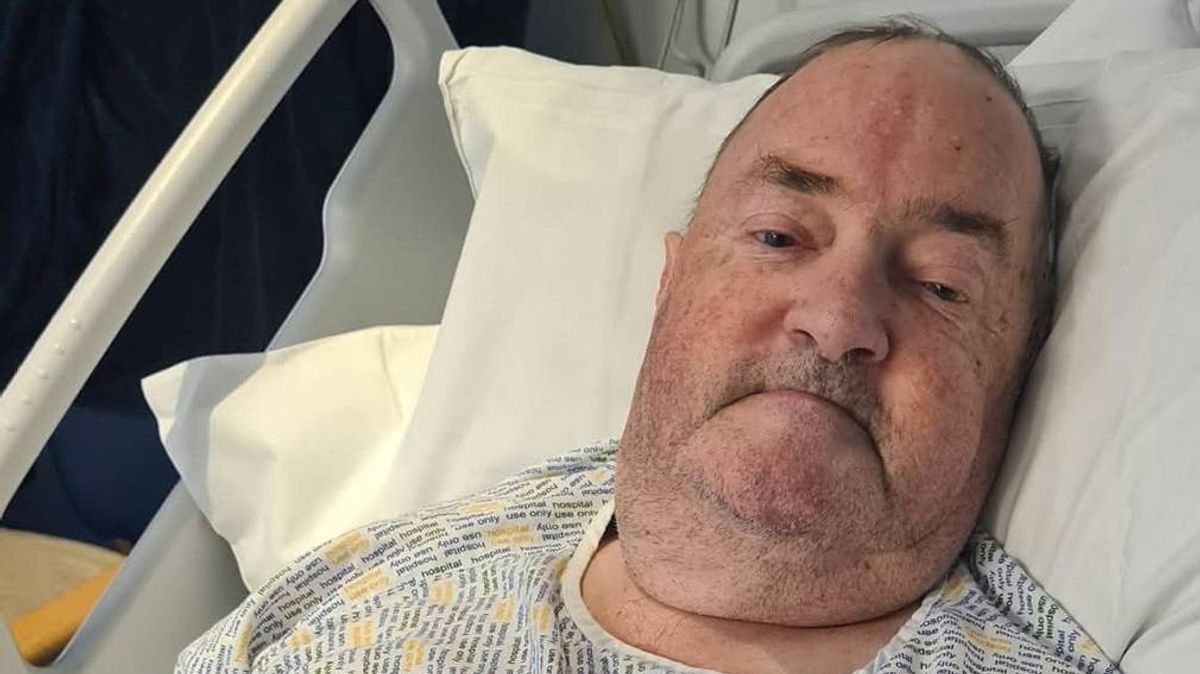
A family feared their dad was developing dementia before doctors confirmed the heartbreaking reality of his condition. Jimmy Glendinning’s daughters endured months of anxiety fearing that their beloved father’s bewilderment might indicate Alzheimer’s disease.
The 68-year-old, from Flintshire, began displaying memory problems, confusion and difficulty finding suitable words in April 2024.
As his condition worsened, his relatives became increasingly concerned he could be suffering from dementia, particularly since Jimmy’s own mother had experienced Alzheimer’s disease. Yet, following a sharp decline in his health later that year, he was taken urgently to hospital.
Medical imaging showed he actually had glioblastoma, an aggressive and incurable type of brain tumour.
Jimmy’s relatives, alongside the charity Brain Tumour Research, are calling on the Welsh Government to pledge funding for research, improved diagnostic procedures and vital access to clinical trials for brain tumour patients, reports Wales Online.
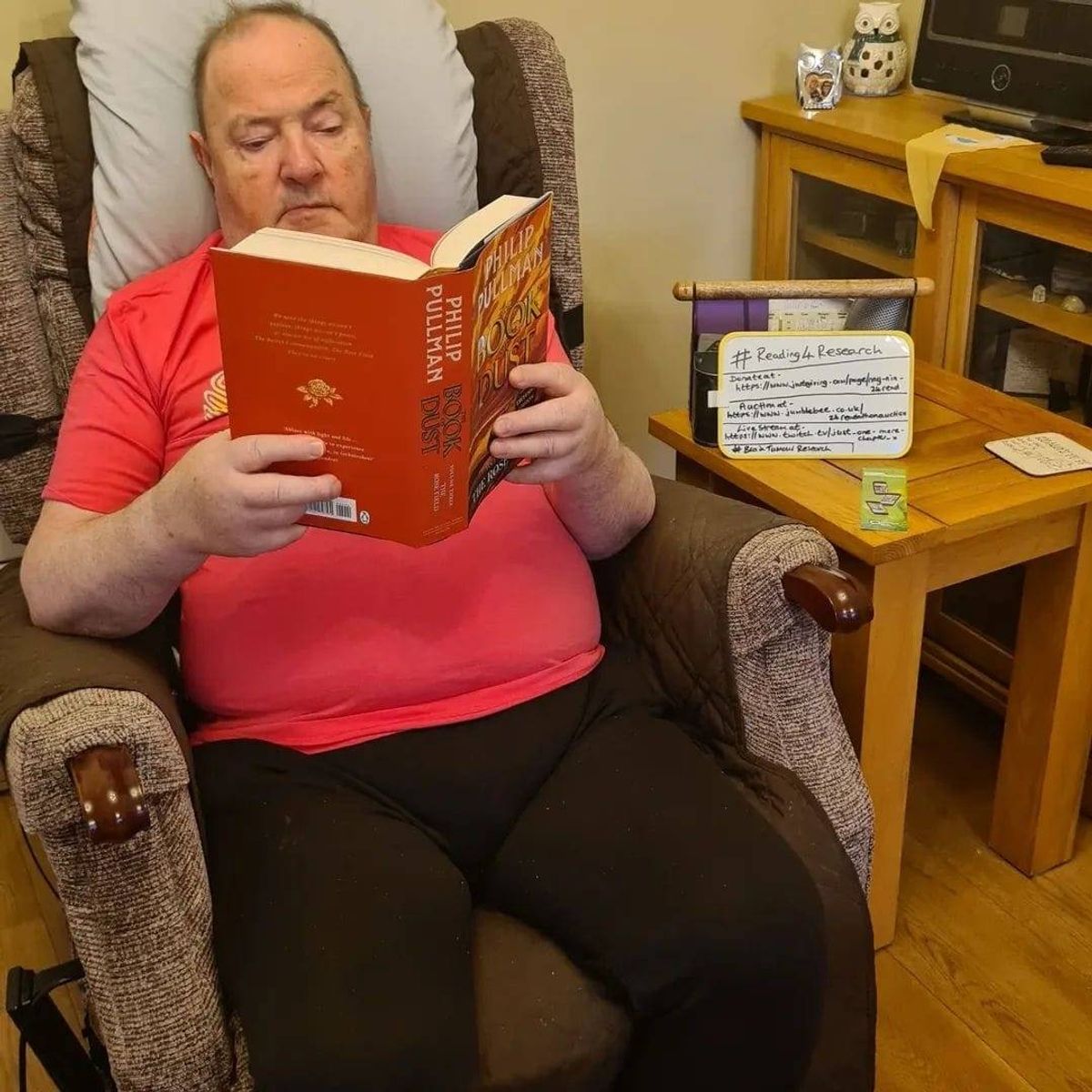
Jimmy Glendinning began displaying memory problems, confusion and difficulty finding suitable words(Image: Brain Tumour Research)
Jimmy’s daughter Naomi, 38, explained: “The first sign something wasn’t right came when Dad rang Mum from Sainsbury’s because he couldn’t remember why he was there or what he’d gone in to buy.
“At first, we thought it might have been a mini stroke because he was struggling to get his words out, but the episode passed and he carried on as normal.
“As the months went on, he became more forgetful and started struggling to find the right words during conversations. Because his own mum had Alzheimer’s disease, my sister Helga was one of the first people to suggest he might be showing the early signs of dementia.”
For months, this is what the family believed they were dealing with but as summer progressed his symptoms became increasingly difficult to ignore.
Jimmy, a retired hygiene operative, had always been fit and active. A keen walker who loved music, nature and spending time with family, he rarely complained about his health and was known for his generosity, humour and willingness to help others.
Naomi said: “Dad became more withdrawn and irritable, which wasn’t like him at all.
“Mum was becoming increasingly worried and kept trying to persuade him to see a doctor, but he kept putting it off.
“By October, he was suffering terrible headaches and we later discovered he’d been taking increasing amounts of painkillers just to cope. He also started having episodes of confusion.
“One day he tried to make soup in a plastic jug on the hob and genuinely couldn’t understand why that was dangerous.
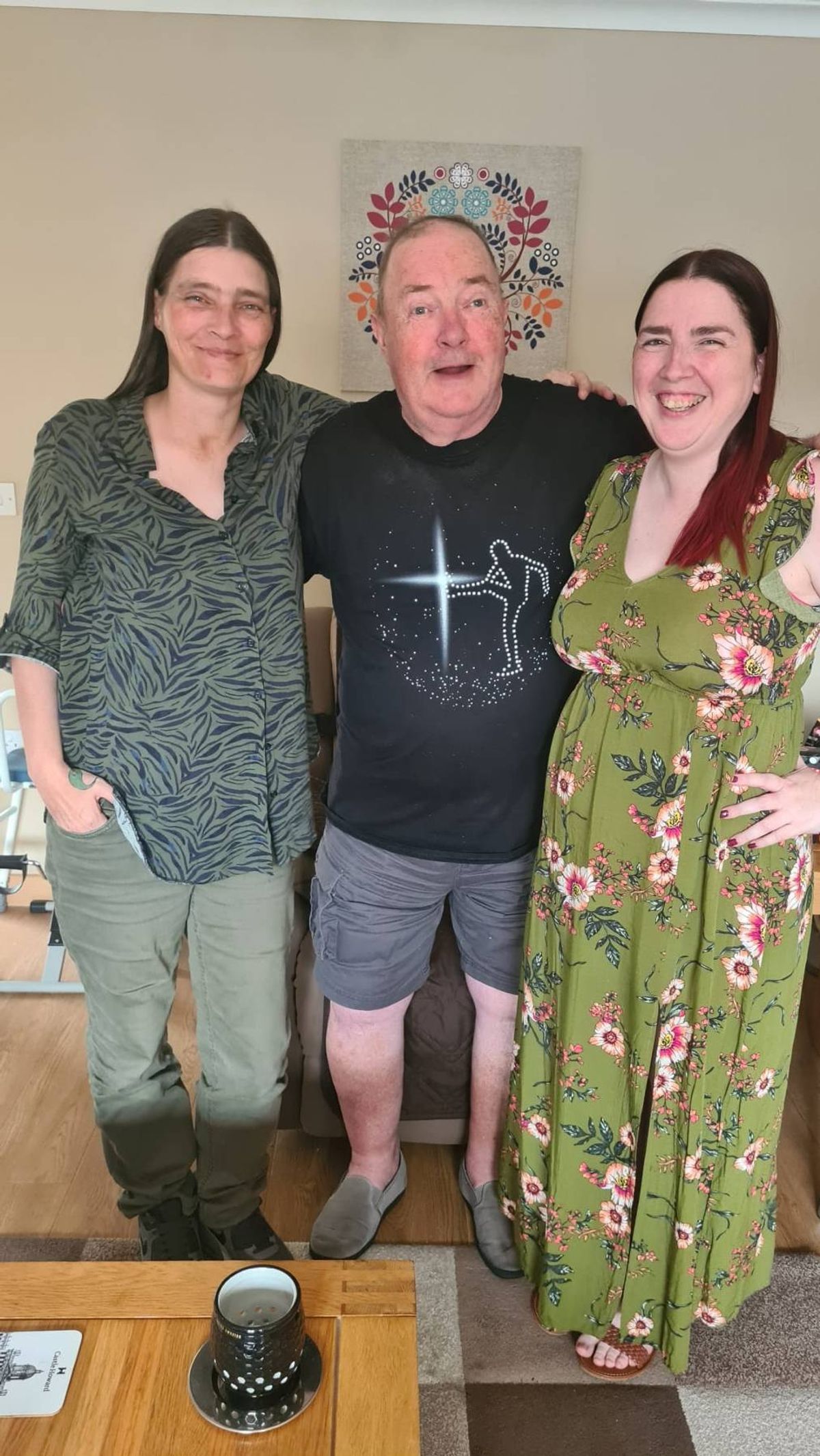
Naomi and Helge were heartbroken to discover their father had an aggressive and incurable form of brain cancer(Image: Brain Tumour Research)
“That was one of the moments when we realised something was seriously wrong.”
Despite eventually agreeing to see his GP and being referred for further tests, Jimmy’s condition deteriorated dramatically before any appointments could take place.
On November 20, 2024, he suddenly lost feeling in his legs and was rushed to Glan Clwyd Hospital by ambulance.
Naomi said: “I was sitting in my home office when Mum called. At first, she wouldn’t tell me what was wrong and just asked me to come to the hospital. I knew immediately it had to be serious.
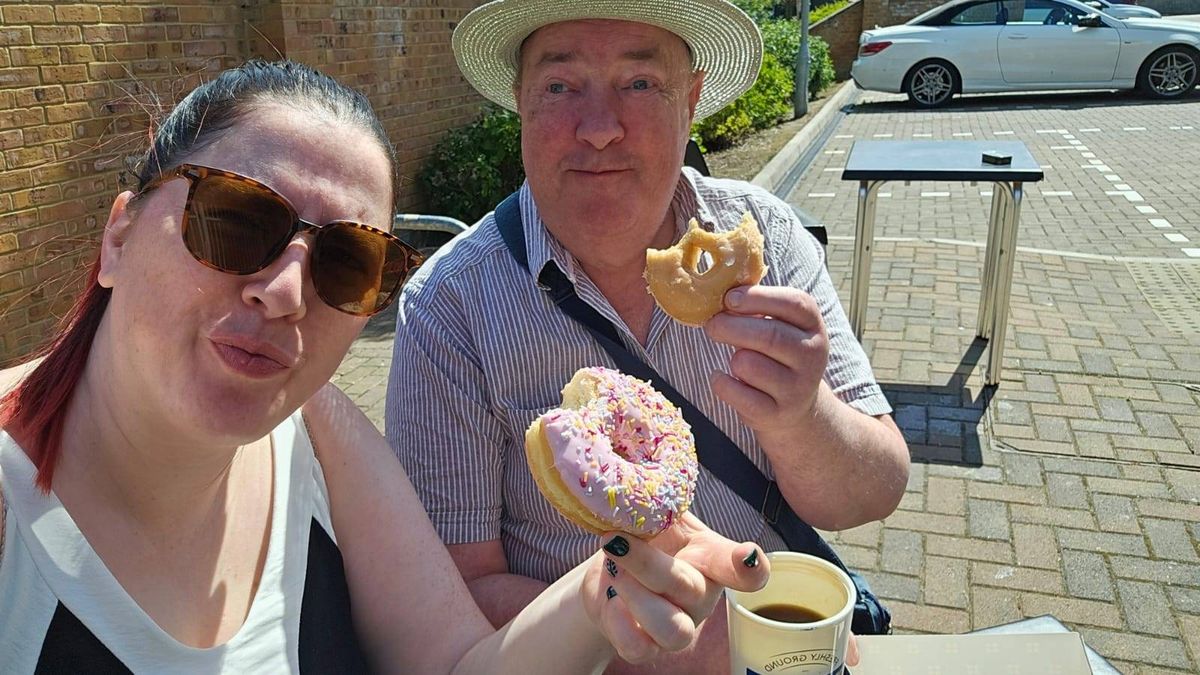
Naomi and Helge were heartbroken to discover their father had an aggressive and incurable form of brain cancer(Image: Brain Tumour Research)
“When she finally told me Dad had a brain tumour, I completely broke down. It was the worst news imaginable.”
Further investigations confirmed Jimmy had an aggressive glioblastoma and he was referred to The Walton Centre in Liverpool.
Doctors warned the family that without treatment he might not survive until Christmas.
Determined to spend as much time as possible with his family, Jimmy underwent surgery on December 10, 2024, where surgeons exceeded expectations and successfully removed around 80% of the tumour.
The family were able to spend Christmas together, but just weeks later Jimmy developed a serious post-operative infection.
Naomi said: “Mum woke up one morning and found blood on his pillow. What we thought was a minor complication quickly became something much more serious.
“The infection spread and Dad needed emergency surgery. Surgeons had to remove part of his skull and there was a point where we genuinely thought we might lose him.” Sign up for the North Wales Live newsletter sent twice daily to your inbox
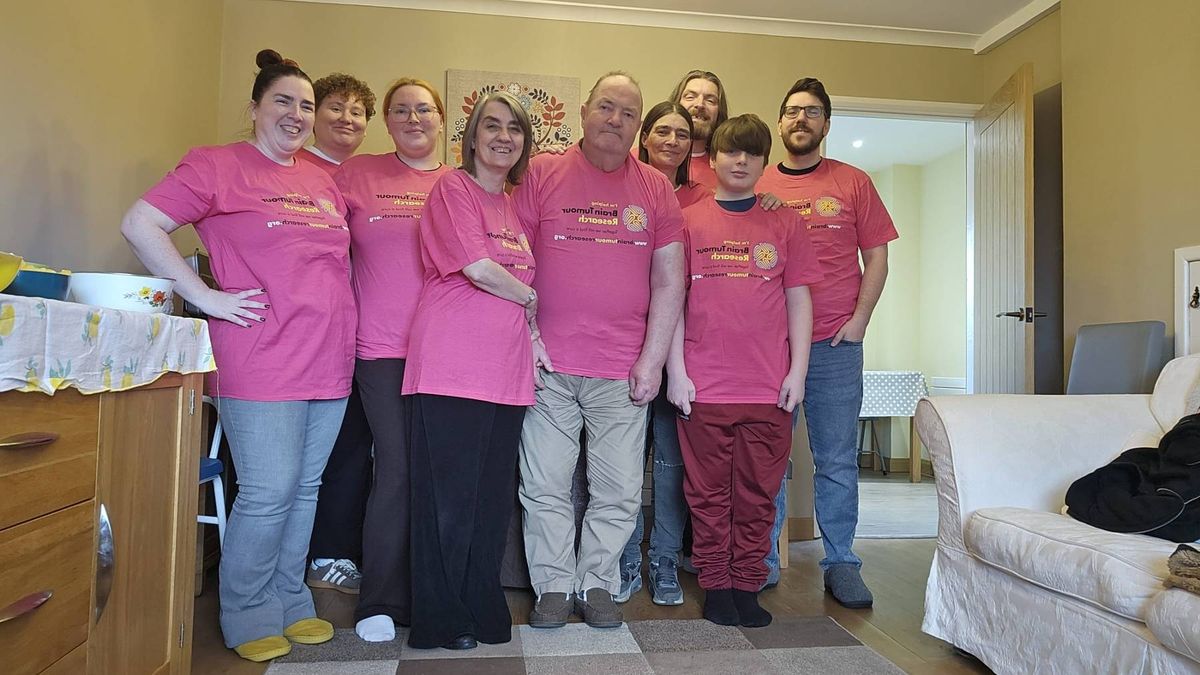
Since Jimmy’s diagnosis the family have been supporting Brain Tumour Research(Image: Brain Tumour Research)
Jimmy spent seven weeks in hospital recovering from the infection and was later diagnosed with two pulmonary embolisms. Following months of recovery, he eventually began chemotherapy and radiotherapy.
Today, he continues to undergo monitoring and treatment while living with the lasting effects of both the tumour and the complications that followed.
According to Brain Tumour Research, 674 people in Wales are diagnosed with a brain tumour each year, and of that number only 17.2% of patients survive their brain cancer diagnosis for five years or more, compared to an average 61.5% for all cancers.
Their website reads: “Brain tumours kill more children and adults under the age of 40 than any other cancer, yet, to date, just 1% of the national spend on cancer research has been allocated to this devastating disease since records began in 2002.”
Determined to make a difference, Naomi and her family have raised more than £3,000 for Brain Tumour Research through a 24-hour Readathon and a charity basketball fundraiser organised by relatives and local supporters.
Together, they have raised enough to fund more than a day’s research at the Brain Tumour Research Centre of Excellence at the University of Nottingham, where scientists are working to improve treatments for glioblastoma.
Naomi said: “Life looks very different now. Dad relies on a walker and has lost much of the independence he once had, but he still has the same dry sense of humour and determination that have always defined him.
“Mum and my sister Helga share much of his day-to-day care, and his grandchildren, Nicola and James, give him plenty of reasons to keep fighting.
“One of the hardest things to come to terms with has been discovering how little funding brain tumour research receives compared with other cancers.
“Before Dad’s diagnosis, I had no idea how underfunded this disease was. Supporting Brain Tumour Research feels like the right way to honour him and help drive progress towards better treatments and, ultimately, a cure.”
Letty Greenfield, community development manager at Brain Tumour Research, said: “Jimmy’s story is a stark reminder that brain tumours are indiscriminate; they can affect anyone. Patients need improved treatments and better outcomes, that is why we have published our manifesto for Wales, titled Time to Do Things Differently: A Plan for Change in Wales to call on the Senedd to make this a priority.
“We’re incredibly grateful to Naomi and her family for sharing their experience and turning such a devastating diagnosis into a determination to make a difference.” Sign up now for the latest news on the North Wales Live Whatsapp community