
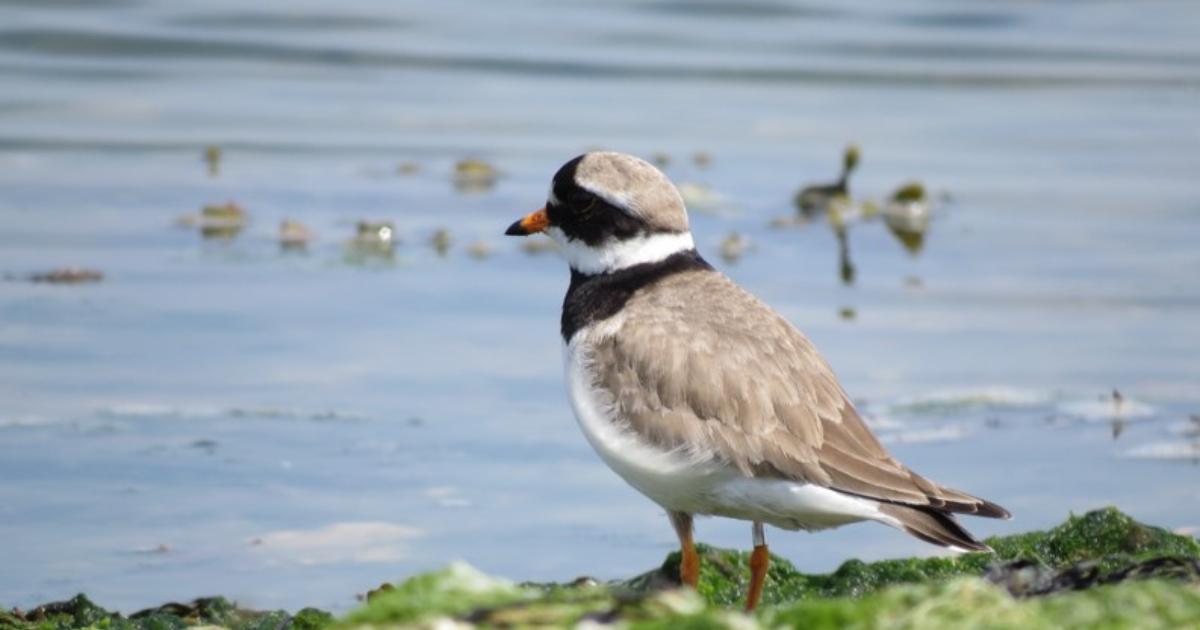
Initiatives such as predator fencing and shingle nesting habitats have ensured favourable conditions for these birds.
The results of this conservation programme were first revealed on Wednesday, August 13, highlighting support for more than 150 species, including rare mammals and insects.
The £13m Species Recovery Programme, running from August 2023 to March 2025, provided targeted conservation efforts for species such as the water vole, oystercatcher, lady’s slipper orchid, hazel dormouse and Atlantic salmon.
Oystercatcher on raised nest (Image: Mike Short) The Game and Wildlife Conservation Trust has completed the Gravelly Shores project in the North Solent National Nature Reserve, near the Beaulieu River in the New Forest.
The project, funded with almost £188,000 from Natural England, aimed to improve breeding success for beach-nesting birds.
Birds such as the ringed plovers, oystercatchers, and terns benefited from the 1.7 hectares of shingle habitat created.
Predator-proof fencing, nesting cages, and raised nesting platforms were installed.
During the last breeding season, four pairs of ringed plovers successfully nested, with chicks fledging.
Other nesting activity was noted from two pairs of oystercatchers, a pair of lapwings, and a pair of little ringed plovers.
Allison Potts, deputy director for Natural England in Thames Solent, said: “Natural England is pleased to have funded this innovative project supporting the recovery of ringed plovers and oystercatchers in the Solent.”
The project has made a national impact, with ringed plovers and oystercatchers included in UK-wide campaigns to raise awareness of beach-nesting birds.
Mike Short, GWCT’s head of predation management research, said: “Our SRP funding enabled construction of a purpose-built shingle-nesting habitat using marine dredgings.”
The projects have created or enhanced more than 2,400 hectares of wildlife-rich habitat.
Tony Juniper, chair of Natural England, is expected to say at an event in Warwickshire today: “A rising number of nature recovery projects, both large and small, are making a huge difference up and down the country.”
The scheme has also had significant societal benefits, with more than 80,000 members of the public participating in 465 educational events and activities, and volunteers contributing nearly 100,000 hours of conservation work worth more than £1m.