
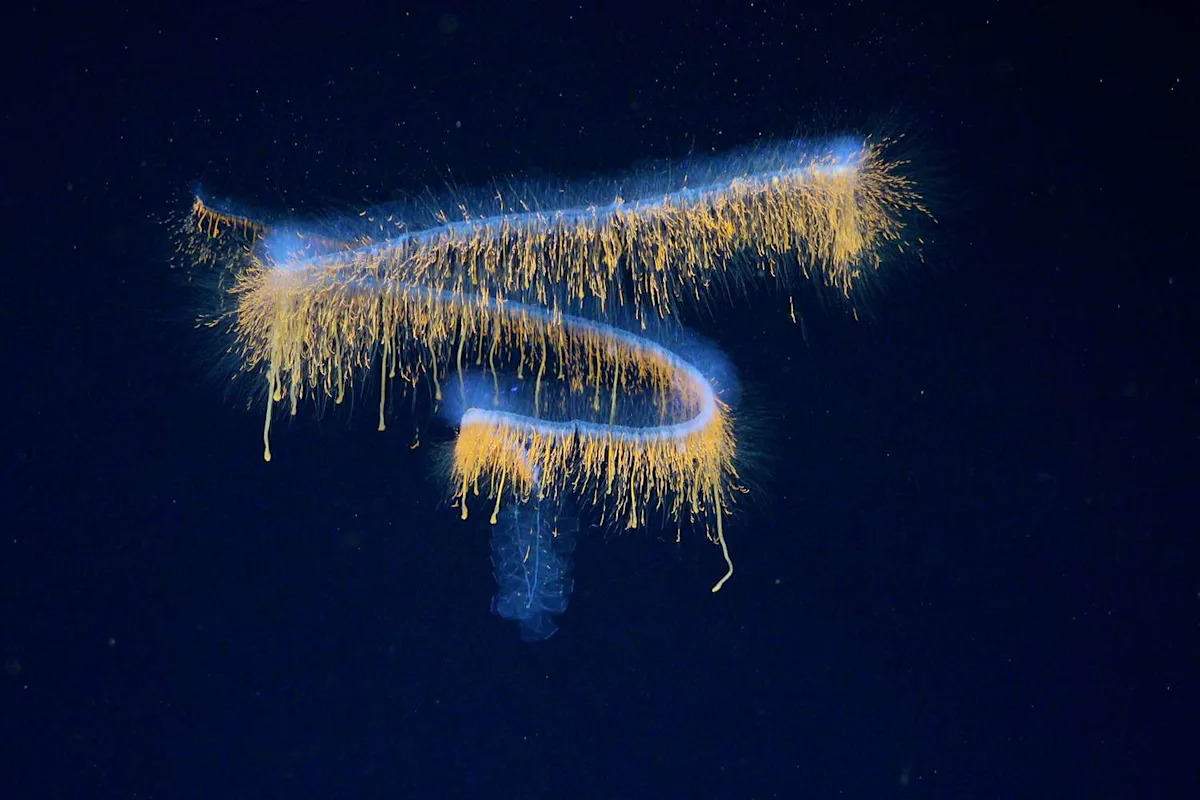
NEED TO KNOW
Scientists discovered 31 previously unknown marine species during an expedition in the South Atlantic Ocean
The newly identified animals include jellyfish, comb jellies, worms and giant single-celled organisms
Researchers say the discoveries highlight how little is known about the ocean’s vast midwater ecosystem
Some look like floating ghosts. Others resemble glowing ribbons, translucent balloons or creatures that seem better suited for another planet than Earth’s oceans.
Scientists exploring deep waters off the coast of Brazil have identified 31 previously unknown species, according to the Schmidt Ocean Institute. The discoveries were made during an expedition in the South Atlantic Ocean that explored one of the least-understood ecosystems on the planet.
Among the newly identified animals are jellyfish, comb jellies, strange worm-like creatures and giant single-celled organisms large enough to be seen without a microscope. Researchers also encountered glass squid and spotted a pelagic octopus feeding on a bright red jellyfish.
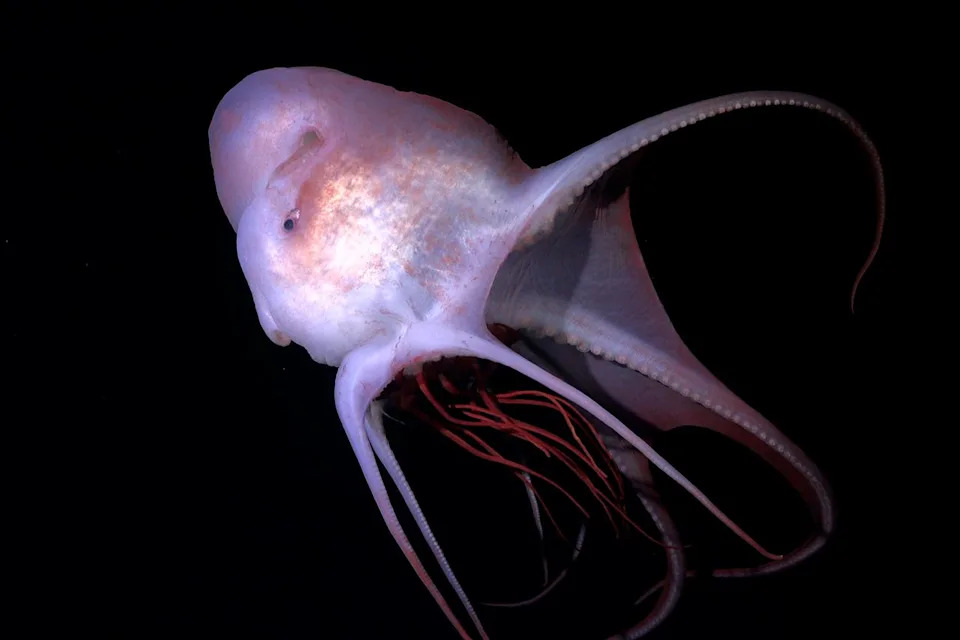
Haliphron Atlanticus found on the coast of Brazil
Credit: ROV SuBastian / Schmidt Ocean Institute
Many of the creatures live in the ocean’s “midwater” region, a vast habitat located between the sunlit surface and the seafloor. Despite being the largest habitable ecosystem on Earth, scientists say it remains one of the least explored.
“The largest habitat on Earth, the midwater, is filled with incredible animals we are only just starting to understand,” expedition chief scientist Dr. Karen Osborn of the Smithsonian National Museum of Natural History said in a statement released by the Schmidt Ocean Institute.
Researchers said they were surprised not only by the number of animals they encountered, but also by their diversity. Many species have evolved transparent bodies, delicate tentacles and unusual shapes that help them survive in the dark waters far below the ocean’s surface.
The discoveries were made using advanced imaging systems that allowed scientists to create detailed 3D images of fragile animals without collecting or damaging them. Combined with onboard genetic analysis, the technology helped researchers identify new species in a matter of days rather than years.
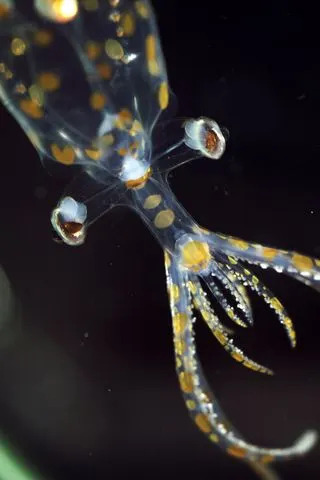
Juvenile Glass Squid found on the coast of Brazil
Credit: Emily Clark / MBARI via Schmidt Ocean Institute
Never miss a story — sign up for PEOPLE’s free daily newsletter to stay up-to-date on the best of what PEOPLE has to offer, from celebrity news to compelling human interest stories.
“It’s an incredible honor to not only view and experience this rare and inspiring midwater life, but also to be able to work towards describing and sharing that life broadly through the use of novel, non-invasive technologies,” said Dr. Kakani Katija, principal engineer of the Bioinspiration Lab at the Monterey Bay Aquarium Research Institute.
According to Osborn, the expedition offered another reminder of just how much remains hidden beneath the ocean’s surface.
“I continue to be fascinated by the fantastic variety of solutions they have evolved to survive in this formidable environment,” she said. “And that drives me to keep asking questions about our ocean.”
Read the original article on People