
Pt II: The Long Table
Hyperconvenience culture erased our OG wellness hack: the communal meal.
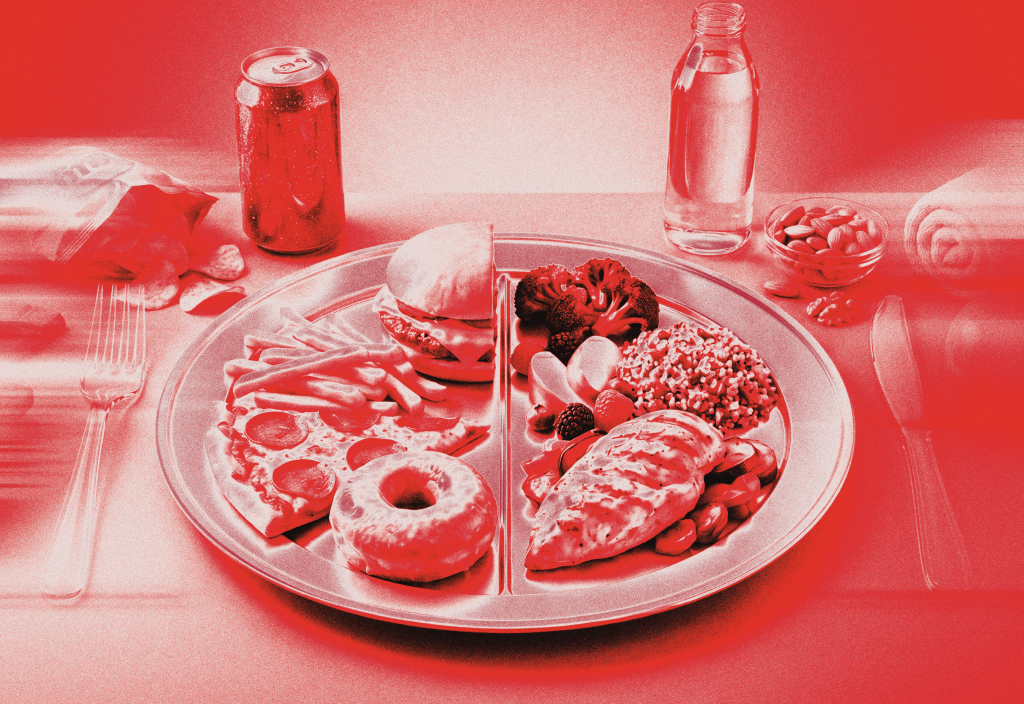
Not just a romantic ideal, the “long table” was health infrastructure. Children who eat three or more family meals a week are 35% less likely to develop disordered eating habits, 24% more likely to eat healthier foods, and 12% less likely to become obese, yet family dinner time has declined 30% in 30 years.
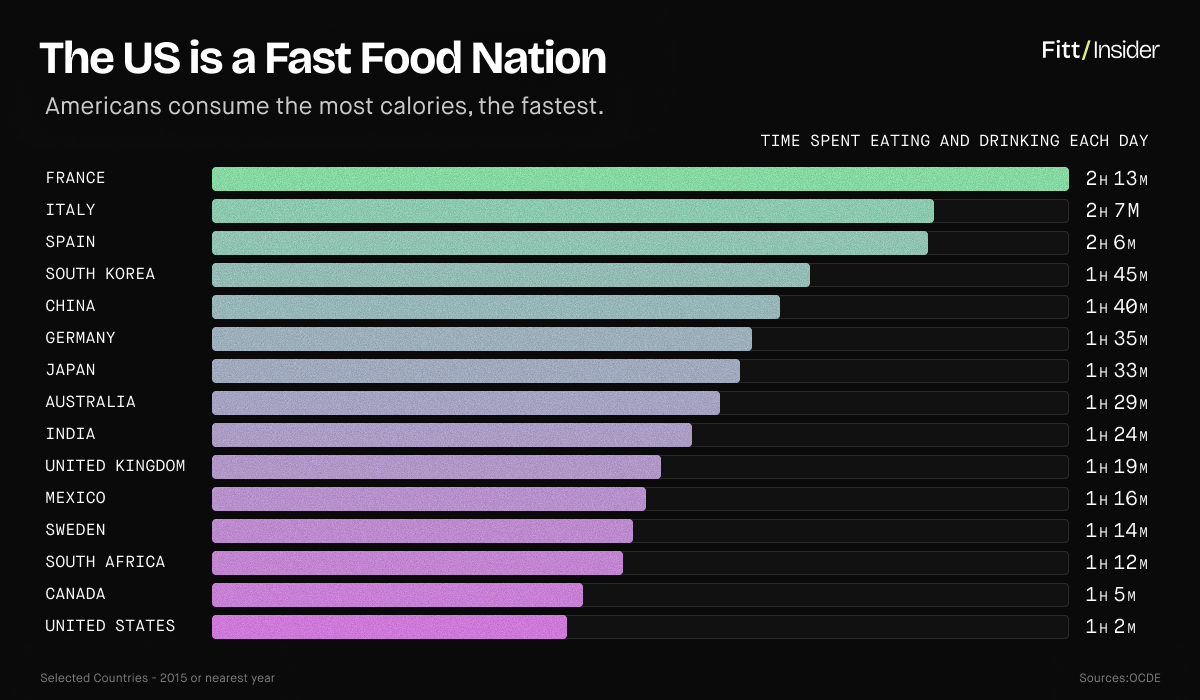
Even at school, time for savoring shared meals has shrunk. With most lunches lasting ~20 minutes, kids have <10 to scarf food after accounting for walking, lines, and bathroom breaks — despite studies showing kids eat healthier when given more time. Corporate culture is no better, with a third of Americans eating at their desks and 43% multitasking during lunch.
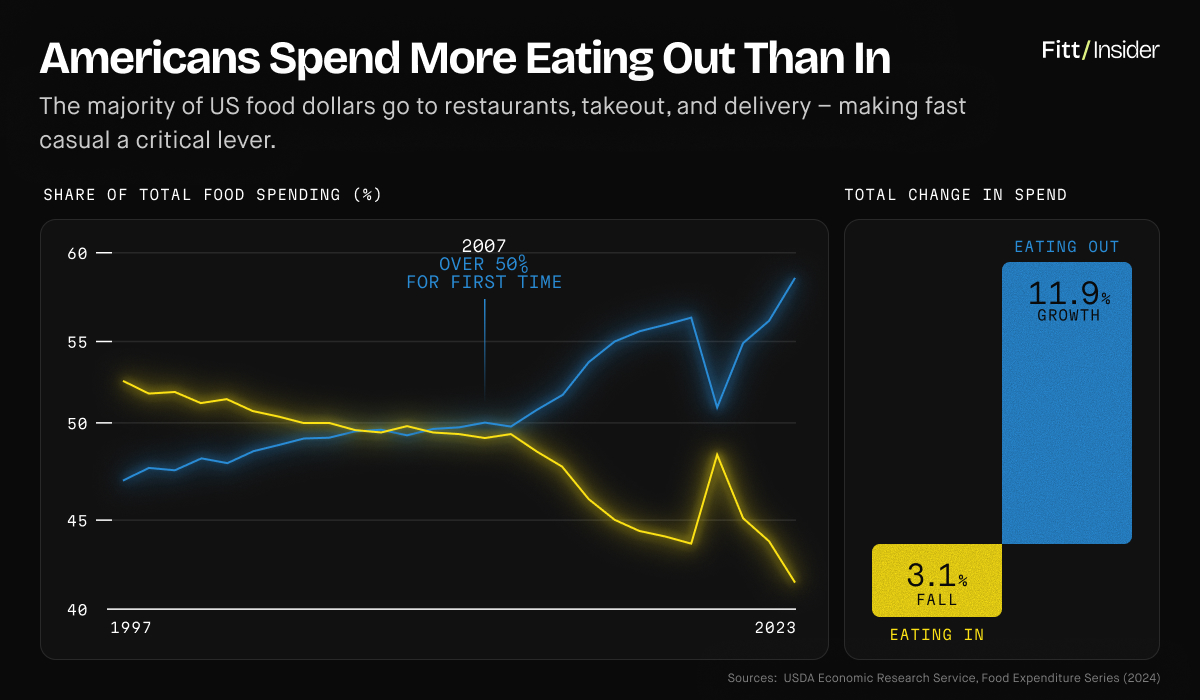
But the socioeconomic reality is many people lack time to cook. As prepared food eclipses homemade meals, fast-fine must meet the moment.
Eating Out
Middle-class restaurants need a makeover.
A pendulum shift, societal desire is shifting away from screens toward sensory experience x connection, with restaurant budgets peaking post-COVID. Meanwhile, credit card analysis shows GLP-1 users choosing experiential dining over fast food — indicating growing appreciation for intentional meals over pure convenience.
Assembly line “slop bowls” are losing appeal, exposing the limits of optimization as brand identity. Associated with biohackers and sad desk salads, Sweetgreen shares declined almost 80% in one year, same-store sales fell 11.5% in Q4 2025, traffic dropped 13.3%, and the company sold its robotics unit Spyce to Wonder for $186M.
Per Placer.ai, price-sensitive middle-income diners are pressuring quick-service and fast-casual concepts to upgrade in-store experience. More than tech companies masquerading as restaurants, people want healthy neighborhood anchors with creative, culturally relevant menus.
Next-gen fast-casual must find a middle ground, raising the bar on food quality while retaining purpose and belonging as equally important pillars of the experience.No restaurant serves all tastes, but local spots across the country are assembling the right ingredients:
Ggiata (LA) — Born from nostalgia for East Coast Italian delis, Ggiata’s six locations highlight local artists while serving as a “central meeting point” for friends and family.
Tacombi (NYC) — A full-stack cultural brand, the 22-location taqueria chain spawned CPG spinoff Vista Hermosa tortillas and a foundation that distributes food to nearby communities.
Skratch Labs Table (Boulder) — Redefining high performance, the endurance sport brand built a full-service restaurant on the belief active nutrition is about shared meals, not just macros.
Hilltop Coffee + Kitchen (LA) — Mixing quality ingredients with creative energy, the Issa Rae-backed cafes double as collab spaces for entrepreneurs in underserved neighborhoods.
ChòpnBlok (Houston) — A “cultural crossroads,” the West African fast-casual concept serves community programming alongside food from a James Beard Award-semifinalist chef.
People are hungry for meaning. Chains that embrace third space energy, experience design, menu transparency, ingredient sourcing as brand storytelling, and/or chef-driven credibility plays while positioning as cultural beacons can have outsized impact.
Eating In
Health, convenience, and affordability remain an elusive trifecta.
Home cooking correlates to better health outcomes, but busy schedules and tight budgets are barriers. Just 20% say their diet is “very healthy,” and despite expressing intent, people aren’t eating enough veggies. Theoretically on board, 75% would prefer using food over prescription drugs to manage health but require guidance, convenience, and affordability.
Fishwife’s breakout success showed consumer demand for nutritious, pre-flavored whole foods, and its Costco placement is helping democratize pricing. Replicating the formula with produce, Row 7 is tinning flavor-bred veggies for easy weeknight meals, and Fruitist raised $150M to make jumbo berries America’s favorite snack.
A pain point, 70% of adults are concerned about chemicals in food, but willingness to pay a “purpose tax” for sustainable/regenerative goods has dropped from 83% to 65% among $100K+ households since 2024. Helping justify higher spend, Edacious quantifies the increased nutrient density of organic regenerative goods — making the ROI personal, not just moral.
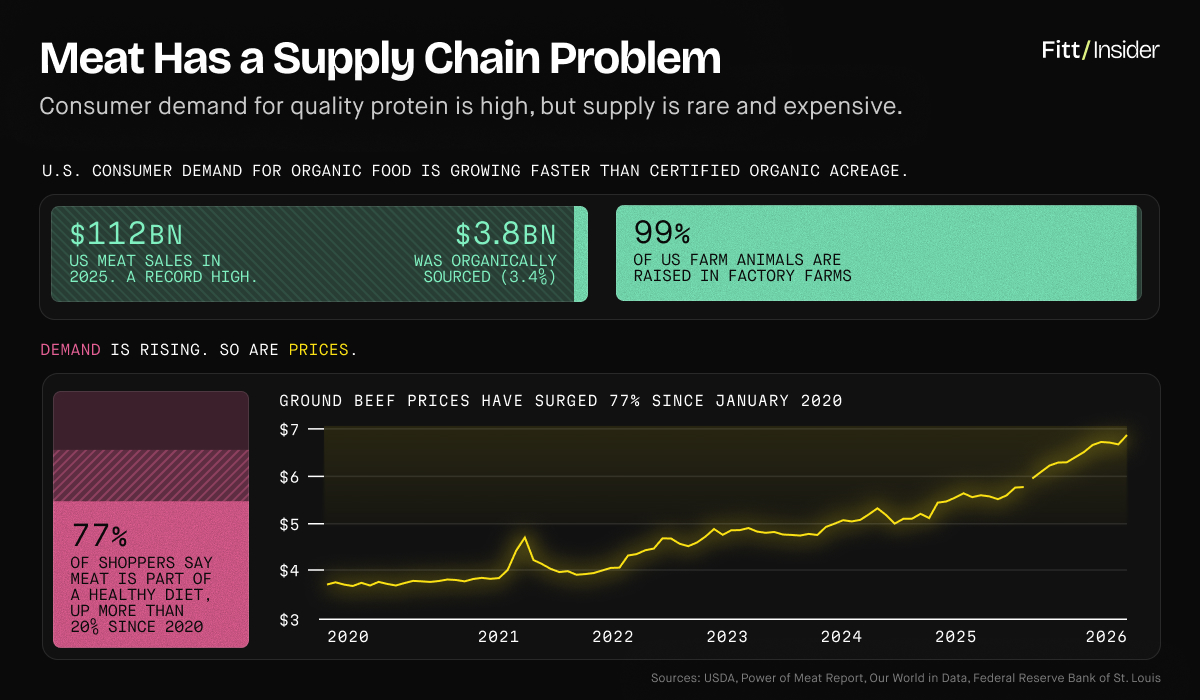
Meanwhile, meat is rising in both cost and volume sales, hitting a record-high $112B last year, but much of it is poor quality. With 99% of livestock animals factory farmed, 89% of regenerative shoppers struggle to find products in stores, fueling the rise of subscription services like Force of Nature and Seatopia.
Drone-to-Table
AI could put personalized nutrition on autopilot.
From Oura Meals to Alma and MyFitnessPal, nutrition tracking apps are getting smarter, reducing the friction of manual entry with AI photo logging and wearable integrations. While greater adherence has benefits, there’s danger in gamification fueling obsessiveness, discounting the immeasurable joy of dessert with friends or a heritage dish with bad macros.
Still, for GLP-1 users, precision takeout concepts like LA’s SUMMITS and NYC’s Matter could help recalibrate relationships with food. A crucial behavior change window, 67% say the drugs made it possible to rewire their brain. Per Noom, people who built healthy habits on the drugs were twice as likely to maintain weight loss, and 96% maintained habits after quitting meds.
Looking ahead, innovators see AI as a personalized nutrition cost balancer. From Travis Kalanick’s vision for an “internet food court” and private robo-chefs to Sweetgreen’s pivot toward “Spotify for food,” making healthy meal delivery a mass-market luxury is tech’s domain. If incentives align, automation could prove especially valuable for food-as-med patients.
All-in on AI, Marc Lore is building a national food OS with Wonder. Users will set spending and biometric targets based on blood and body comp tests, then receive tailored meals. Aiming to erase food deserts, the company will cut labor costs with robotics, using savings to lower prices rather than boost margins. Lore’s goal is 10K “programmable kitchen” locations by 2040, reaching 90% of the population with 20% lower prices and 20-minute drone delivery.
What it means: The healthiest relationships with food leave room for both precision and pleasure. The key for brands is knowing which diet periodization phase their core customer is in.