
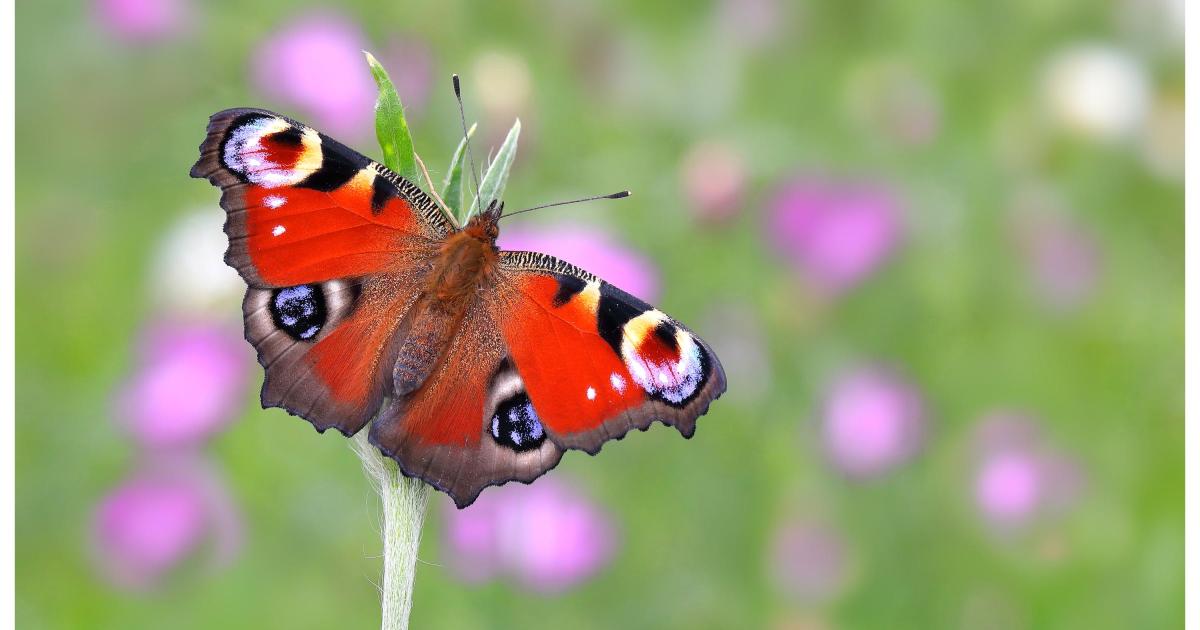
Wildlife charity Butterfly Conservation, which is headquartered at Manor Yard, East Lulworth, revealed the results after more than 20,000 votes were cast across the UK between May 15 and June 7.
The brightly coloured Peacock topped a list of 60 species, beating the Orange-tip into second place, with Red Admiral third, Holly Blue fourth and Brimstone fifth.
Brimstone butterfly (Image: Mark Searle)
Branch volunteers say Dorset remains one of the best places in the country to see butterflies, with recent sightings of species including Peacock, Brimstone and Meadow Brown reported from sites across the county.
Kate Merry, head of engagement at Butterfly Conservation, said the response to the “Britain’s Favourite Butterfly” vote had been “absolutely wonderful”.
She said: “The Peacock is a worthy winner. It’s a true showstopper and a species that I bet a lot of us picture when we think of butterflies.
“It’s been really special seeing people get so passionate about their favourites and throw their support behind them.”
The Peacock is one of the UK’s most recognisable butterflies, known for its striking red wings and bold eye-like markings, which it uses to startle predators many times its own size.
Common Blue butterfly (Image: Mark Searle)
It is a regular visitor to gardens and countryside across Dorset, particularly where nettles are left to grow, as these are the caterpillars’ preferred foodplant.
The feelgood poll result comes against a more sobering backdrop for the county’s butterflies.
Butterfly Conservation declared a “butterfly emergency” in 2024 after its Big Butterfly Count data showed numbers falling to their lowest since the survey began, and conservationists say 2026’s results will be crucial in revealing whether common species are beginning to recover.
The charity runs a network of reserves and projects in Dorset, including sites managed for threatened species such as Marsh Fritillary, and works with local volunteers to restore and protect habitat.
Marbled White butterfly (Image: Mark Searle)
People in Dorset are now being urged to take part in this year’s Big Butterfly Count, which runs from Friday July 17 to Sunday August 9.
Taking part involves spending 15 minutes in any sunny outdoor space – a garden, park, farm track or nature reserve – and counting the butterflies and day-flying moths seen, before submitting sightings via the free Big Butterfly Count app or website.
Ms Merry said: “This information will help conservationists to see how some of our more-common species are faring, which in turn helps to build a wider picture of how all butterflies and moths are doing.
Comma butterfly (Image: Mark Searle)
“It’s easy, fun for all the family, and a great excuse to get outside and experience the simple joy of spotting butterflies.”
The Peacock, Red Admiral, Holly Blue and Brimstone – all in the public’s top five – are among 20 butterflies and day-flying moths that can be recorded during the survey.
Dorset Branch of Butterfly Conservation is also encouraging people to leave patches of long grass and nettles where possible, and to plant nectar-rich flowers, to provide food and shelter for butterflies throughout the season.
Swallowtail butterfly (Image: Mark Searle)
More details on how to take part, including an ID chart and recording instructions, are available at the Big Butterfly Count website: www.bigbutterflycount.org.