
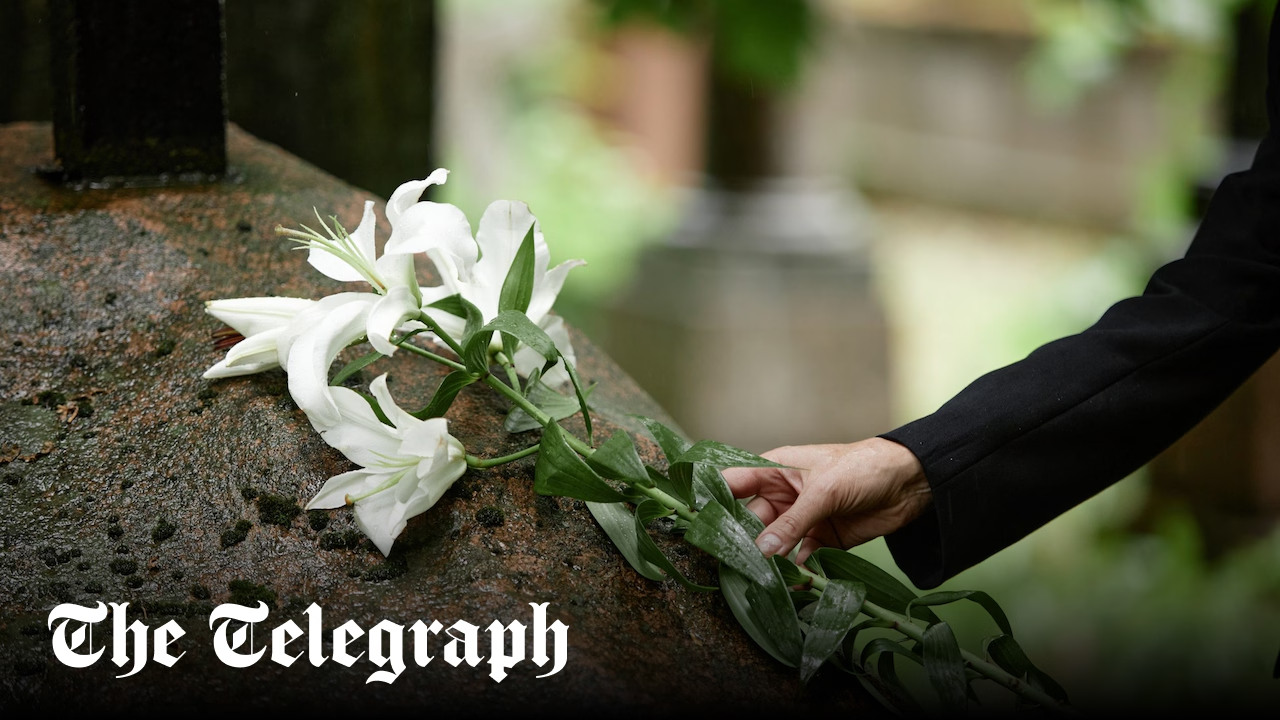
Death isn’t cheap. Grieving families grapple with inheritance tax bills as well as the cost (and time) of clearing and selling a loved one’s property. Paying thousands for a funeral only adds to that stress.
According to life insurer SunLife, the average traditional cremation funeral costs £4,200, while even a simple funeral (without any extras) costs £3,518.
As families look for ways to keep costs down, many are opting for direct cremations, a no-frills alternative that can cost far less than a traditional funeral, at an average of £1,528.
Direct cremations account for around a fifth of all funerals, according to research from SunLife, up from just 3pc in 2019.
However, this option comes with the caveat that there is no ceremony or mourners – and you might not even know when or where the cremation will take place.
A growing trend
Direct cremation has grown in popularity over recent years. “Firstly, through necessity and for many people quite tragically, the Covid pandemic normalised the idea of a very small or informal funeral, or of not being able to have a funeral at all,” said Poppy Mardall, founder of Poppy’s Funerals.
“This accelerated the number of funeral directors offering direct cremation, which is really the norm now.”
Sole direct cremation providers have since entered the market and, because of the cost of living crisis, many people have turned to direct cremations as a more affordable option.
Ms Mardall added: “People are rightly questioning the value of a funeral – what is it supposed to do? If you are used to going to funerals that don’t feel personal, meaningful, memorable or helpful, it makes sense that you’d question spending £5,000 on something that isn’t working for you.”
A direct cremation, by contrast, is a simple cremation with no formal funeral service or hearse, and no mourners in attendance.
The deceased is collected and prepared for cremation, which takes place at a time and location chosen by the provider. In many cases, the family are not informed of the date in advance.
Mark Screeton, the chief executive of SunLife, said: “The ashes are returned to the family, who can then choose how to remember their loved one. This could be by a wake or memorial, which can be added on by some providers, or organised by the family themselves.”
By removing many of the elements associated with a traditional funeral, a direct cremation tends to be a much cheaper option.