
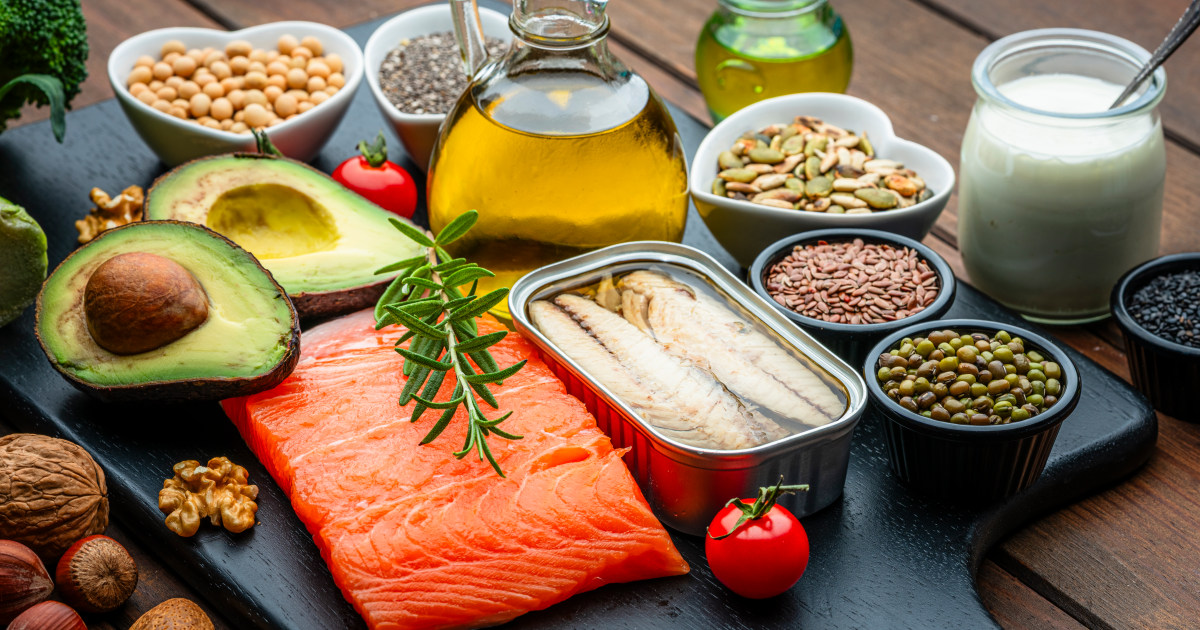
For years, fat-free or low-fat foods were synonymous with weight loss and dieting, leading many people to avoid fat in their efforts to slim down and stay healthy.
That’s changed as refined carbs, sugar and ultraprocessed foods have received more scrutiny for their role in raising obesity risk.
Meanwhile, the latest Dietary Guidelines for Americans urge people to incorporate healthy fats into their meals and consume full-fat dairy with no added sugars.
“Fat has gotten a bad reputation over the years, but it’s actually an essential nutrient that plays many important roles in the body,” says registered dietitian Natalie Rizzo, nutrition editor for TODAY.com.
“Fat helps absorb fat-soluble vitamins like A, D, E and K, supports hormone production, provides long-lasting energy, and helps keep you satisfied after meals.”
Rather than fearing fat, she advises people to focus more on choosing the right types of it. Unsaturated fats from nuts, seeds, avocados, olive oil and fatty fish are associated with heart health and can be part of a healthy eating pattern, Rizzo notes.
Still, fat is very calorie dense so it’s important to pay attention to portions, says Lisa Young, a registered dietitian in New York and author of “Finally Full, Finally Slim.”
If you’re eating a fatty meal, you may wonder if there’s a best or worst time to consume it.
What Is the Best Time of Day to Eat Fat?
Both dietitians say it’s best to spread fat intake throughout the day, but breakfast is a great opportunity to include it.
“Many people start the day with a meal that’s mostly carbohydrates, like cereal or toast. Adding a source of fat, such as nut butter, avocado, nuts or seeds, can help increase satiety and keep you feeling full longer,” Rizzo says.
“Having some fat at breakfast or lunch could help to prevent those cravings later, so that’s always going to be a good thing,” Young tells TODAY.com.
But don’t load too much fat into one meal — it could lead to bloating, discomfort and digestive issues, especially for people who don’t absorb fat well, like patients with Crohn’s disease or colitis, she cautions.
Spacing out fat intake throughout the day helps control hunger and stabilize blood sugar after every meal, Rizzo notes.
As a plant-forward dietitian, she loves nuts, seeds, avocados and extra-virgin olive oil, which provide healthy unsaturated fats along with other nutrients including fiber, vitamins, minerals and antioxidants.
She often adds chia seeds, hemp seeds or ground flaxseeds to oatmeal or smoothies at breakfast.
For lunch, avocado is one of her favorites on grain bowls, salads or sandwiches.
At dinner, she uses olive oil in roasted vegetables, pasta dishes and homemade dressings.
“One of my go-to snacks is apple slices with peanut butter because it combines healthy fats, fiber and carbohydrates for lasting energy and satisfaction,” Rizzo says.
What Is the Worst Time to Eat Fat?
Large, high-fat meals late at night can be problematic for some people because fat slows digestion, which may lead to discomfort, indigestion, acid reflux or disrupted sleep — particularly if a person is lying down shortly after eating, Rizzo cautions.
All those extra calories are “going to sit on you,” Young notes.
“It’s going to be harder to digest unless you eat dinner early and you’re up for another four or five hours, which many people aren’t,” she says.
A study that looked at the consumption of saturated fats and how the timing impacts inflammation found the worst time to eat a high-fat meal is late at night because this disrupts the body’s internal clock.
If you’re hungry in the evening, it’s fine to include healthy fats in a snack or meal, but avoid extremely heavy, high-fat meals such as fried foods within a couple of hours of bedtime, Rizzo advises.
For more on nutrient timing, find out the best time to eat protein and the best time to eat fiber.