
My husband and I bickered about our domestic load-sharing for many years. One time, after the dust settled from one of our skirmishes, he opened up, “You know, I think it’s because I just never saw my father getting involved with the home.”
My heart softened as it finally registered how baked-in these roles were for him. I was expecting my husband to effortlessly traverse between worlds, the one he inherited and the one I wanted us to create. A dose of compassion tamed my frustration. With more understanding, we began working together to make small changes in our home life that have since built greater harmony between us.
The domestic load is just one of many aspects of fatherhood, and masculinity, that has dramatically evolved, culminating in what has recently been coined as “the millennial dad.”
Millennial Dad
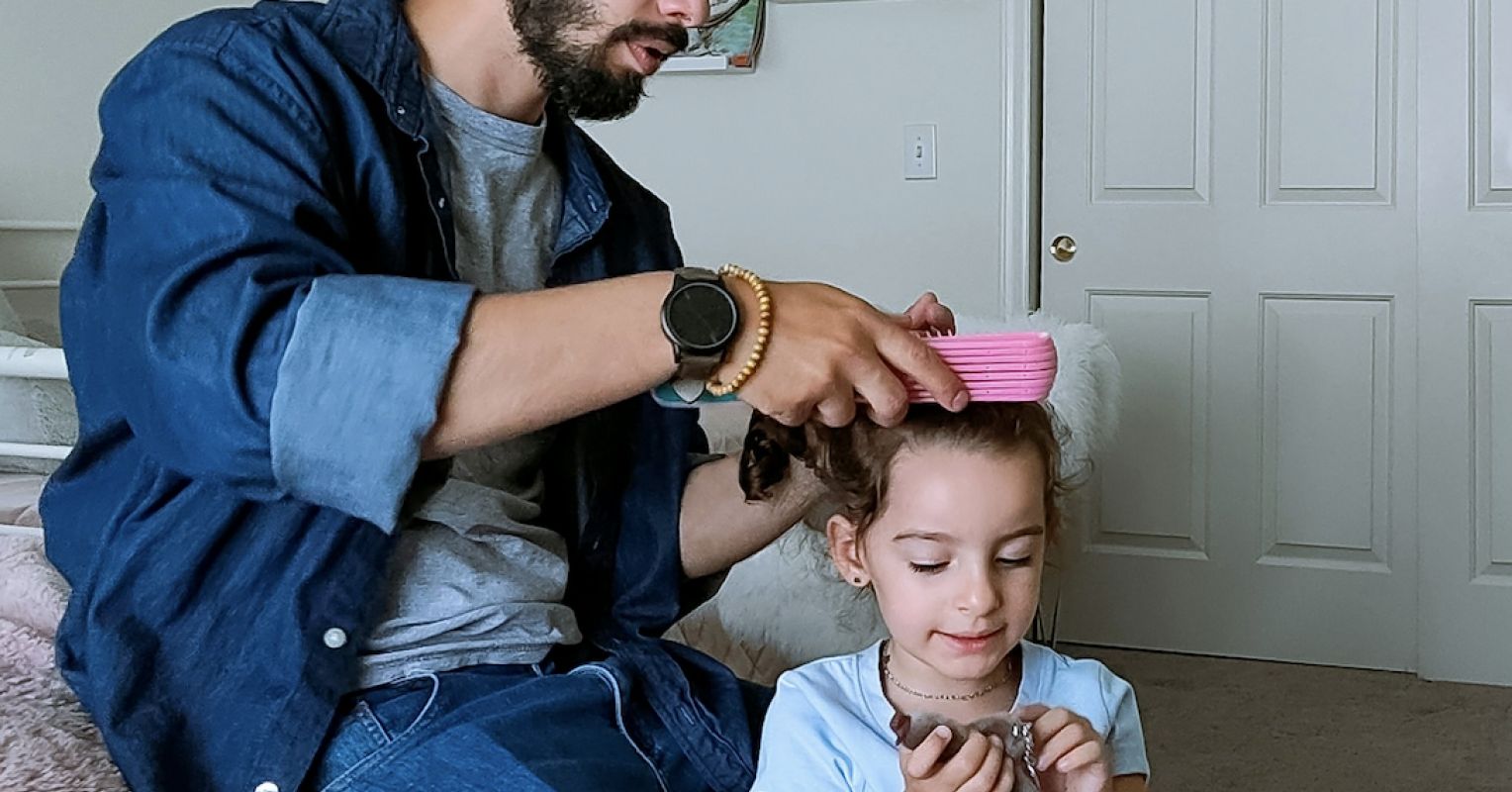
A “millennial dad” is a father born generally between 1981 and 1996. Many (not all) of these dads are changing what fatherhood looks like. Rather than being background providers showing up for the big milestones, more dads are also helping with bedtime, housework, school dropoffs, doctor’s appointments, and even emotional conversations. Many seek a stronger partnership with their spouse.
Of course, the level of this change varies from family to family, man to man. Plenty of millennial dads, and moms, choose more traditional roles, and plenty of working parents both have all hands on deck at home. Further, more dads serve as primary caregivers than ever. In fact, according to analysis by the Pew Research Center, the number of stay-at-home dads has nearly doubled over the past three decades.
The Upsides—and Pressures—of Modern Fatherhood
Many of the millennial fathers I meet with light up about being actively involved with their children. They relish the deep bond they have formed and wouldn’t want it any other way. Nonetheless, in the same breath I also hear how overwhelmed they feel, and how hard it is to be present amidst all the pressures. The pain that surfaces time and again is a persistent feeling of falling short despite working harder than ever.
Many men feel pressure to not only excel professionally and provide financially, but at the same time, be an attuned parent, show up for their marriage, and stay well physically and mentally.
Just as we should address the invisible mental load many mothers carry, the silent burdens that many fathers carry need to be acknowledged as well. This ranges from financial pressure to fears of failure, confusion about their role, and heartache from missing family moments due to work.
What should dads, and moms, keep in mind to navigate today’s expanding definition of manhood and fatherhood?
Tips for Dads
Practice self-compassion. Let yourself be a student of life, growing as your children grow. When we are kind to ourselves, we are actually more likely to change and grow.
Aim for connection over perfection. Your children will remember how they feel being with you more than anything else.
Talk openly about your feelings and struggles. You will not only feel less alone, but model to your children the strength in being vulnerable.
Tips for Moms (Co-Parent)
Keep love at the center. We change best when feeling loved, not evaluated.
Let small changes matter. Focusing on growth versus outcome will give you a chance to grow too, and become more patient and trusting.
Awaken radical appreciation. Seeing the good takes more effort than seeing what’s missing. Awakening appreciation is a powerful tool. It’s good to have open expectations but also important to not let your expectations cloud the opportunity for embracing the good in what, and who, you have.
Encourage your spouse to open up, and listen with empathy. Men are often more inclined to feel shame for any kind of struggle, so the less you judge, the more likely he’ll show vulnerability.
Tips for Couples
Two key elements make all the difference: connection and communication.
Prioritize your bond. It’s so easy to get caught up in the day-to-day, but it’s essential that you carve out time for just the two of you, even if brief. Make each other a priority. The small things like a warm hug make a difference. You each must know you are the most important person in each other’s lives. That’s why “Priority” insisted its way into my book, A Soulful Marriage, as Pillar 3.
Schedule calendar meetings. On a practical level, you’ll need regular check-ins because a smaller conversation today prevents deeper resentments tomorrow. Calendar meetings are not sexy but they reduce conflict, which opens the gates for greater intimacy.
Customize, don’t compare. The human mind naturally compares and seeks what others have. This robs us of the blessings right before our eyes. Be honest and real about what will work in your family, and the unique souls you’ve chosen to share life with.
Bigger Picture: A Spiritual Perspective
Strength and vulnerability can absolutely coexist. As author and co-director of the Kabbalah Centre, Monica Berg, says about fathers, “being strong doesn’t mean you can’t be gentle, kind, and empathetic.” Fathers need to know that it’s the consciousness they pass on to their children that matters most. Meaning, you pass on how you conduct yourself, believe in, and support your children. Children internalize how you treat their mother, handle stress, respond when wrong, and embrace change.
Family Dynamics Essential Reads
In sum
Living between worlds is not an easy road to traverse, and the impact on dads is often overlooked. While change is an essential element of living a truly fulfilling and meaningful life, we all travel lighter when we show compassion and appreciation to those we hold dear along the way.