
“There is no tired like teacher tired,” a client who taught elementary education in a Title I school told me during a therapy session.
She wasn’t wrong.
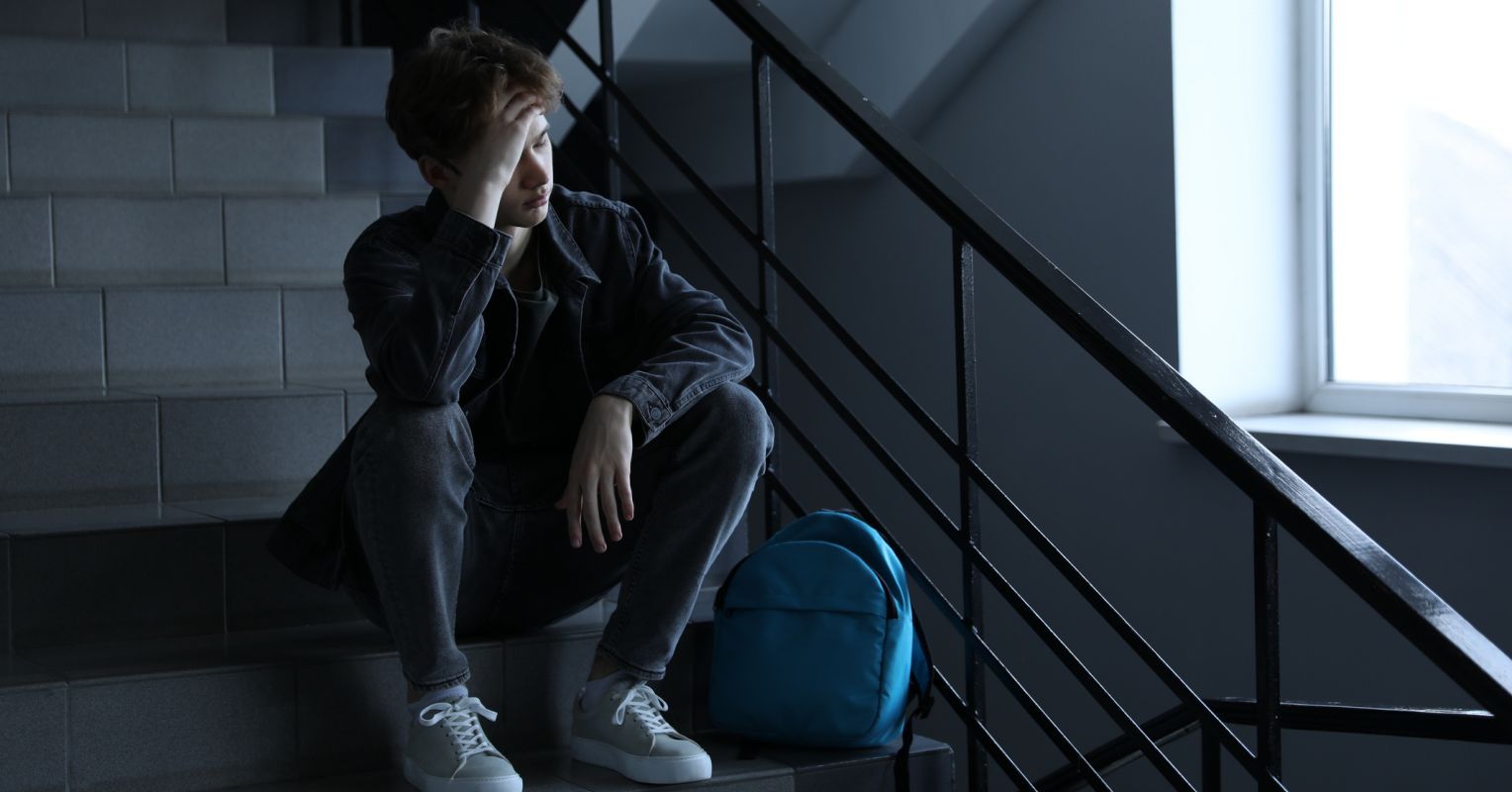
Beyond lesson plans, classroom management, and curriculum, she was expected to notice which children were struggling. Not just academically, but emotionally—the loud child acting out and the quiet child quietly disappearing into the background.
Without adequate support, this task can barely be achieved by a team, let alone by one individual standing in front of twenty-five students. Yet this is often the system we continue to rely upon.
The Children We Don’t See
According to analyses conducted by the U.S. Department of Homeland Security and related school threat assessment research, many acts of school violence were preceded by observable signs of distress that were either missed, misunderstood, or not adequately addressed. When tragedy occurs, we often search for the point where intervention should have occurred. Was it the teacher? The parent? The administrator? Law enforcement? Or peers who heard concerning comments or saw social media posts? The reality is that opportunities for intervention often exist long before a crisis emerges.
The challenge is that signs of distress are not always obvious and may appear as:
Changes in behavior or routine.
Withdrawal from friends or family
Irritability or emotional withdrawal
Frequent physical complaints, such as headaches or stomachaches
Self-harm or suicidal thoughts
Increased risk-taking behaviors
All of these changes matter.
What is often called “a cry for help” should be treated as exactly that: a signal that a child may need support, co-regulation, connection, and increased attention. Yet these behaviors are often dismissed as merely “attention-seeking.” In reality, that is precisely what they are—a child seeking attention because something inside them requires care.
According to Paul Kraus from the National Violence Prevention Hotline, research on targeted violence has consistently found that many individuals communicate their distress, grievances, or desire to be seen long before violence occurs. In many cases, those communications represent opportunities for intervention. When warning signs are recognized and responded to with support, and appropriate care, the pathway toward violence can often be interrupted.
This understanding is reflected in the Choose Love Movement, founded by Scarlett Lewis after her son Jesse was killed in the Sandy Hook Elementary School shooting. Inspired by a message Jesse left behind—”Nurturing Healing Love”—the program teaches emotional regulation, compassion, connection, and resilience in schools. Its core premise is that when children feel seen, supported, and connected, we are more likely to recognize suffering before it escalates into crisis.
Yet we frequently rely on teachers and administrative staff to simultaneously plan, instruct, nurture, monitor and manage behavior, communicate with parents, and identify emerging mental health concerns. Given those realities, it is perhaps less surprising that some children fall through the cracks.
An Important Question
At the heart of this conversation is a larger societal question: What are schools for?
Some argue schools should focus exclusively on academics—reading, math, science, and test scores. Those things matter, but schools play a larger role in children’s lives. For some students, school provides their most consistent meals. It is also where they learn to navigate friendships, conflict, belonging, rejection, and identity. These experiences help shape how children see themselves, others, and their place in the world.
School is not separate from mental health; rather, it is one of the primary environments where mental health develops.
Award-winning filmmaker Mark Hulsewe’s short film In Plain Sight illustrates this reality powerfully. The film follows a quiet child harmed by bullying while also revealing the pain, disconnection, and unmet needs driving the bully’s behavior. This dynamic is not uncommon and can become dangerous when we fail to ask children what they are experiencing.
So, What Is the Solution?
As a society, we frequently say we want to normalize mental health, and in many ways, we have. Therapy has become more mainstream. Mental health conversations are more common. Self-help books fill bestseller lists. Social media platforms are saturated with discussions about anxiety, trauma, burnout, and emotional wellness. Yet despite this cultural shift, we continue to treat mental health differently than physical health.
We routinely screen children’s vision and hearing, monitor growth and development, and address physical symptoms long before they become emergencies. Mental health should be no different. The U.S. Preventive Services Task Force recommends routine depression screening for adolescents ages 12 to 18, and the American Academy of Pediatrics recommends universal suicide risk screening beginning at age 12. Yet nearly 3 in 10 adolescents do not receive an annual preventive health visit, making schools one of the few places where we can reliably reach children before a crisis occurs. This gap in early identification is exactly what needs to change.
How Routine Mental Wellness Checkups Could Save Lives
One of the most promising solutions is surprisingly simple: routine mental wellness screening in schools. And as a nation, we are behind the curve. Countries including Finland, Portugal, Australia, New Zealand, and parts of Singapore and South Korea have invested in school-based mental health screening and early intervention programs. These efforts have been associated with earlier identification of emotional distress, increased access to support, improved school connectedness, reduced mental health stigma, and fewer students reaching crisis before receiving help.
There are efforts beginning stateside as well. In a randomized clinical trial involving nearly 13,000 Pennsylvania high school students, universal depression screening substantially outperformed traditional referral-based approaches. Students who were screened were nearly six times more likely to be identified, more than three times as likely to be referred for follow-up care, and more than twice as likely to begin treatment. The need for earlier identification is significant as approximately one in four adolescents experiences a mental health disorder each year, yet many never receive adequate support.
While the evidence is mounting, there are common concerns about how this would look, as the school system is already under insurmountable pressure.
Key Points for School-Based Screeners
For effective change to happen we need to ensure that implementation fits the schools, not the other way around. This would include things such as:
Parent rights respected through an opt-out process, allowing families to decline participation.
Use of empirically supported, age-appropriate, brief, and often free mental wellness screeners that can be administered during non-instructional time, such as homeroom.
Screening conducted annually, during major school transitions, or when concerns arise.
Parents notified of concerns identified through screening.
Parents provided referral options when needed.
Parents able to request results even when no concerns are identified.
An important point is how to effectively carry out the referral process. This is where school-based counseling, consultation with outside providers, expanded use of telehealth, and partnerships with organizations such as Ambassadors of Compassion, which works with schools to promote resilience, belonging, compassion, and emotional well-being through student-centered programs and community outreach, or the Choose Love Movement become especially valuable. Screening alone is not the solution, rather it is the doorway to intervention. The more we focus on this as a meaningful form of prevention, the more options there will be to support our children.
Hope for the Future
Mental health screenings are not a replacement for relationships, teachers, parents, counselors, or community support, but they help us recognize suffering before it becomes a crisis. And while some children may hesitate to tell the truth the first time they are screened, many will. As we continue to normalize mental health in our society, routine screening has the potential to become as commonplace as vision and hearing checks. What matters most is the ripple effect. Early identification can provide support before distress becomes despair and suffering escalates into tragedy. While no single intervention can eliminate every risk, creating more opportunities to identify and support struggling children is a powerful ways to build safer schools and healthier communities.
When we think about school safety, we often focus on what happens after a tragedy. Perhaps the more important question is how many tragedies might be prevented when we stop waiting for children to reach a crisis before we notice they are struggling.
If you’re wondering, “Why aren’t we doing this already?” you’re not alone. Now is the time to bring this conversation to school boards, PTA groups, and local leaders. This idea can help prevent tragedy from finding the kindling it needs to ignite. Instead, it gives more children the chance to receive support before their pain becomes a crisis.
Portions of this post were adapted from my TEDx Talk: A Simple Way to Address the Youth Mental Health Crisis.