
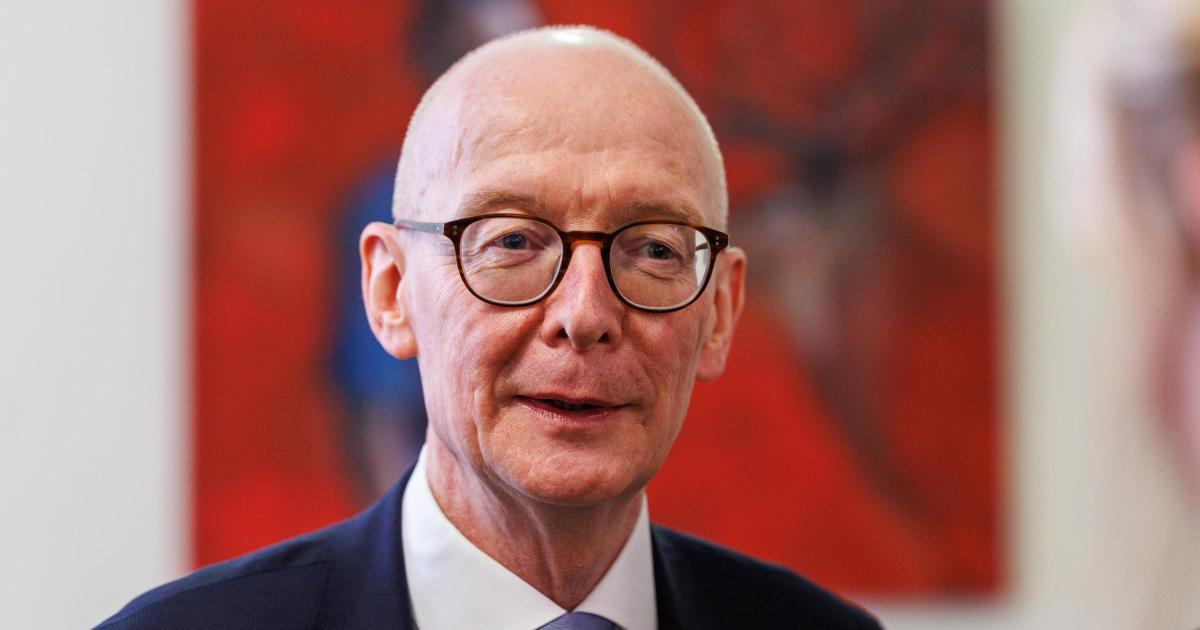
Questioned by MPs, Work and Pensions Secretary Pat McFadden said the Government’s next review of the state pension age is still scheduled under existing rules and declined to rule out future increases.
“There are periodic reviews of this built into the process,” McFadden told MPs.
“The state pension age has been rising in the last couple of decades. I do not want to pre-empt anything, but that review is built into the process.”
The comments will be closely watched by workers in their 50s and 60s already concerned about having to wait longer for their state pension.
“Being 67 can feel very different”
The most striking moment of the DWP meeting oral evidence this week came when McFadden acknowledged that the reality of working into later life is not the same for everyone.
MPs raised concerns that many older workers who lose their jobs struggle to return to work before retirement age, while growing numbers are dealing with ill health and physical limitations.
McFadden admitted that age is experienced very differently across Britain.
“Being 67 or 68 years old can feel very different in different parts of the country,” he said.
The Cabinet minister pointed to his own constituency in the Black Country, where generations of workers have spent decades in physically demanding jobs.
“I know that it can feel quite different to be 67 or 68 years old in my constituency compared with leafier parts of the country.”
The comments are likely to fuel calls for ministers to take regional inequalities and health differences into account before any future rise in the pension age.
Recommended reading:
Growing fears over healthy life expectancy
The intervention comes as concerns mount over Britain’s worsening health record.
During the hearing, MPs highlighted evidence suggesting healthy life expectancy has fallen, raising questions about whether people can realistically be expected to work longer.
The original Pensions Commission linked increases in the state pension age to longer life expectancy. But critics argue that living longer does not necessarily mean living healthier.
Asked whether healthy life expectancy should play a bigger role in future decisions, McFadden signalled that ministers are taking the issue seriously.
“We should consider all these factors,” he said.
He repeated that people of the same age can experience very different levels of health and wellbeing depending on where they live and the type of work they have done throughout their lives.
“These are difficult decisions”
While refusing to signal the outcome of the next review, McFadden stressed that any decision would involve balancing competing pressures.
On one side is the growing cost of an ageing population. On the other is the need to provide security for people who may no longer be fit enough to continue working.
“These are difficult decisions,” he told MPs.
“You have to take into account affordability for the country.”
At the same time, he said the Government must ensure the system continues to provide “security in retirement” while recognising the realities facing older workers.
“It has to take into account the factors that you raise as well. We owe that to the public.”
What happens next for State Pension Age?
For now, ministers insist no decisions have been made.
But with a formal review approaching, pressure is growing on the Government to answer a question that affects virtually every working-age Briton:
Should the state pension age continue rising if people are spending more of their later years in poor health?
McFadden’s answer suggests the debate is only just beginning.
“It is a very delicate decision,” he said, “which is why we do these careful reviews to take all these things into account.”