
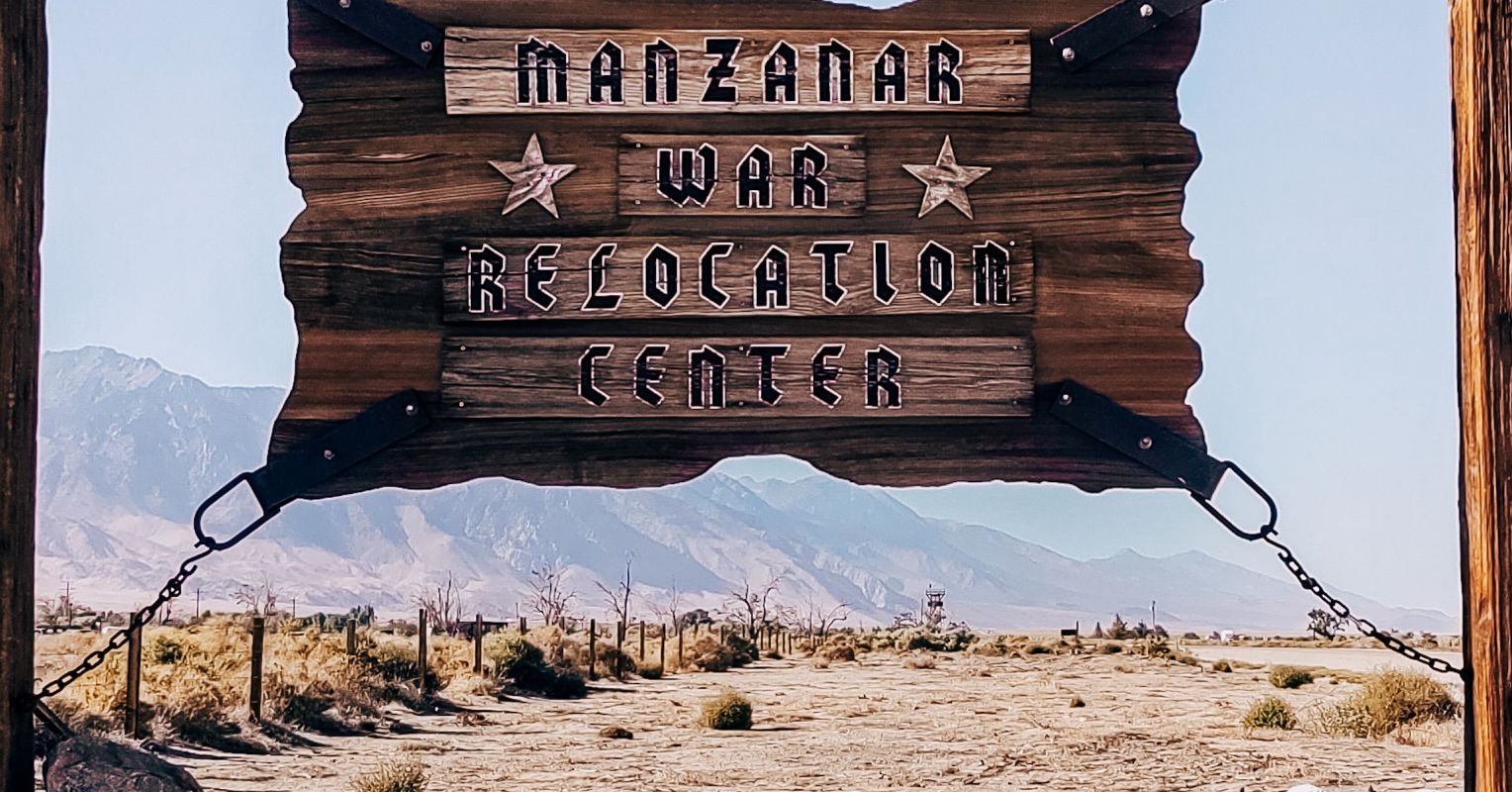
The forced incarceration of over 120,000 Japanese Americans during World War II remains one of the most profound violations of civil liberties in the history of the United States. While the barbed wire fences and guard towers came down decades ago, their psychological and emotional impact persists across generations. Today, growing attention to intergenerational trauma offers a deeper understanding of how such historical injustices shape identity, relationships, and well-being long after the events themselves have passed.
Psychotherapist, filmmaker, and activist Dr. Satsuki Ina has been a leading voice in illuminating these enduring effects. Born in Tule Lake during the World War II incarceration, Dr. Ina has dedicated her career to understanding how trauma reverberates across generations and how communities can heal. In my conversation with her on the Wellness in Today’s World podcast, she described trauma not simply as an individual psychological wound, but as a collective experience embedded in family narratives, cultural silences, and social structures.
The Legacy of Silence and Survival
For many Japanese American families, survival during and after incarceration required emotional restraint. Parents and grandparents often avoided speaking about their experiences, believing silence would protect their children from pain or stigma. However, research demonstrates that unspoken trauma does not disappear; instead, it can manifest indirectly through anxiety, depression, alcoholism, chronic health issues, and difficulties with trust or self-expression (Ina, 2025; Nagata, Kim, & Wu, 2019).
Dr. Ina explains that this legacy of silence can leave children of those imprisoned with a belief that something horrible happened, even if the details remain unclear, but respecting the silence of their parents by not broaching the topic. As a result, children may internalize their parents’ unprocessed trauma and grief, absorbing emotional patterns without understanding their origin. In this way, trauma is transmitted not only through stories but through what is left unsaid.
During the podcast, Dr. Ina reflected on her memoir, The Poet and The Silk Girl (2025), where she writes about her own family’s journey and how the absence of open dialogue shaped her early understanding of identity and belonging. She described the gradual process of uncovering her family’s history and recognizing how it influenced her personally and professionally. For many in the Japanese American community, this process of rediscovery is both painful and empowering.
Healing Through Storytelling and Witnessing
One of the most powerful healing practices Dr. Ina advocates is storytelling. Creating spaces where survivors and their descendants can share experiences fosters validation, connection, and meaning-making. When individuals feel witnessed, the burden of carrying trauma alone begins to ease.
Community-based programs, such as intergenerational dialogues, pilgrimages to the incarceration detention sites, and oral history projects, have played a vital role in this work. These spaces allow elders to break decades of silence while younger generations gain context for their emotional experiences. According to Dr. Ina, storytelling transforms trauma from an isolating force into a shared narrative that can inspire resilience and collective action.
In our podcast conversation, she emphasized that healing is not about erasing pain but about integrating it into a broader understanding of identity. “We carry the past with us,” she noted, “but we also have the power to reshape how it lives within us.” This perspective reframes trauma not as a permanent deficit, but as a source of insight and strength when approached with care and intention.
Collective Care as a Path Forward
While individual therapy can be valuable, Dr. Ina underscores the importance of collective care in addressing historical trauma. The incarceration of Japanese Americans was not an isolated personal event. It was a systemic injustice rooted in racism, fear, and lack of political leadership, as found by the U.S. Commission of Wartime Relocation and Internment of Civilians in 1982. As such, healing must extend beyond the individual to include families, communities, institutions, and society.
Intergenerational Trauma Essential Reads
Collective care involves creating environments that foster belonging, cultural affirmation, and mutual support. It also includes acknowledging historical harm at a societal level through education, reparative initiatives, and continued advocacy. For Japanese Americans, this has included efforts such as the Civil Liberties Act of 1988, which formally apologized for incarceration and provided reparations. However, Dr. Ina emphasizes that acknowledgment is only a first step for healing and reconciliation.
In today’s context, collective care also requires vigilance. During times of social and political tension, patterns of scapegoating and exclusion can resurface. Dr. Ina draws connections between past incarceration and contemporary issues, reminding us that understanding history is essential to preventing its repetition.
Ongoing Healing in a Changing World
The conversation on Wellness in Today’s World highlights that healing is not a finite goal, but an ongoing process. For Dr. Ina and many others, it involves continual reflection, community engagement, and advocacy. It also requires adapting healing practices to new generations who may experience trauma differently but remain connected to its roots.
Younger Japanese Americans, for example, may engage with their history through creative expression, activism, or mental health awareness. These approaches expand the pathways to healing while maintaining a connection to ancestral experiences. As Dr. Ina shared, each generation has the opportunity to transform inherited pain into purposeful action.
Toward a More Compassionate Future
The story of Japanese American incarceration is not only a historical lesson. It is a living reminder of how trauma can ripple across time. Yet, it also illustrates the power of resilience, community, intentional healing, and compassionate witnessing.
Dr. Satsuki Ina’s work invites us to consider a broader vision of mental health, one that recognizes the interplay between personal and collective experiences. By embracing storytelling, fostering intergenerational dialogue, and prioritizing collective care, individuals and communities can move toward healing that honors the past while shaping a more compassionate future.
This journey is not solely for Japanese Americans. It offers a model for any community grappling with historical trauma: Healing happens not in isolation, but together.