
Your support helps us to tell the story
From reproductive rights to climate change to Big Tech, The Independent is on the ground when the story is developing. Whether it’s investigating the financials of Elon Musk’s pro-Trump PAC or producing our latest documentary, ‘The A Word’, which shines a light on the American women fighting for reproductive rights, we know how important it is to parse out the facts from the messaging.
At such a critical moment in US history, we need reporters on the ground. Your donation allows us to keep sending journalists to speak to both sides of the story.
The Independent is trusted by Americans across the entire political spectrum. And unlike many other quality news outlets, we choose not to lock Americans out of our reporting and analysis with paywalls. We believe quality journalism should be available to everyone, paid for by those who can afford it.
Your support makes all the difference.Read more
UK banks and financial firms active in the burgeoning private credit market are stress-testing their systems against a “severe but plausible” scenario depicting a deep global recession, following a directive from the Bank of England.
The move comes amid growing concerns regarding the market’s potential risks to the broader economy.
A cohort of 46 entities, encompassing banks, pension funds, insurers, and asset managers, will participate in the exercise.
They are tasked with modelling the repercussions of a hypothetical five-year global macroeconomic shock and outlining their strategic responses.
The simulated crisis envisions widespread supply chain disruptions leading to a scarcity of hardware components for the technology sector, coupled with a sharp escalation in energy prices.
The resulting deep recession would see UK inflation soar to 7 per cent, interest rates climb to an identical 7 per cent, and the unemployment rate peak at 7.5 per cent.
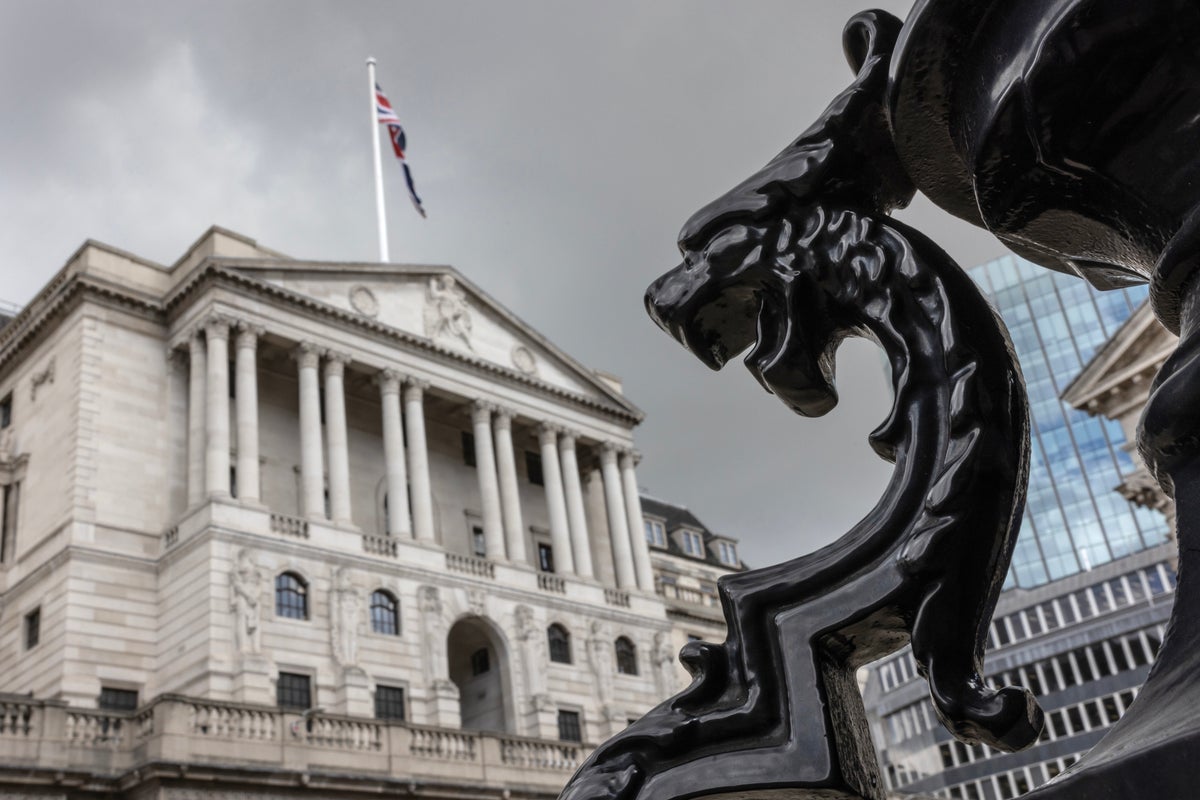
 The Bank of England has asked firms to model the repercussions of a hypothetical five-year global recession (Getty)
The Bank said that under this scenario, the technology sector is severely impacted, and artificial intelligence (AI) development is hit by higher energy prices and hardware shortages.
The interim findings from the first stage of testing will be shared later this year, and a final report will be published in 2027.
The Bank said that the scenario was purely hypothetical and it was not forecasting such a shock.
But the stress test was designed to help the central bank identify potential risks linked to the private credit market, which has been subject to much less regulation and oversight than the traditional banking system.
 AI experts are warning that generative AI could exacerbate the gender pay gap in some industries
This is despite total assets in private credit and equity funds soaring to $11 trillion (£8.3 trillion) over the past decade.
Concerns about the strength of the industry came to the fore in 2025 following the collapses of US auto parts firm First Brands and car dealer and lender Tricolor.
Private credit is a form of lending where businesses do not go to banks but to a private company and negotiate a deal.
Private equity typically refers to financing in return for a stake in a business.