
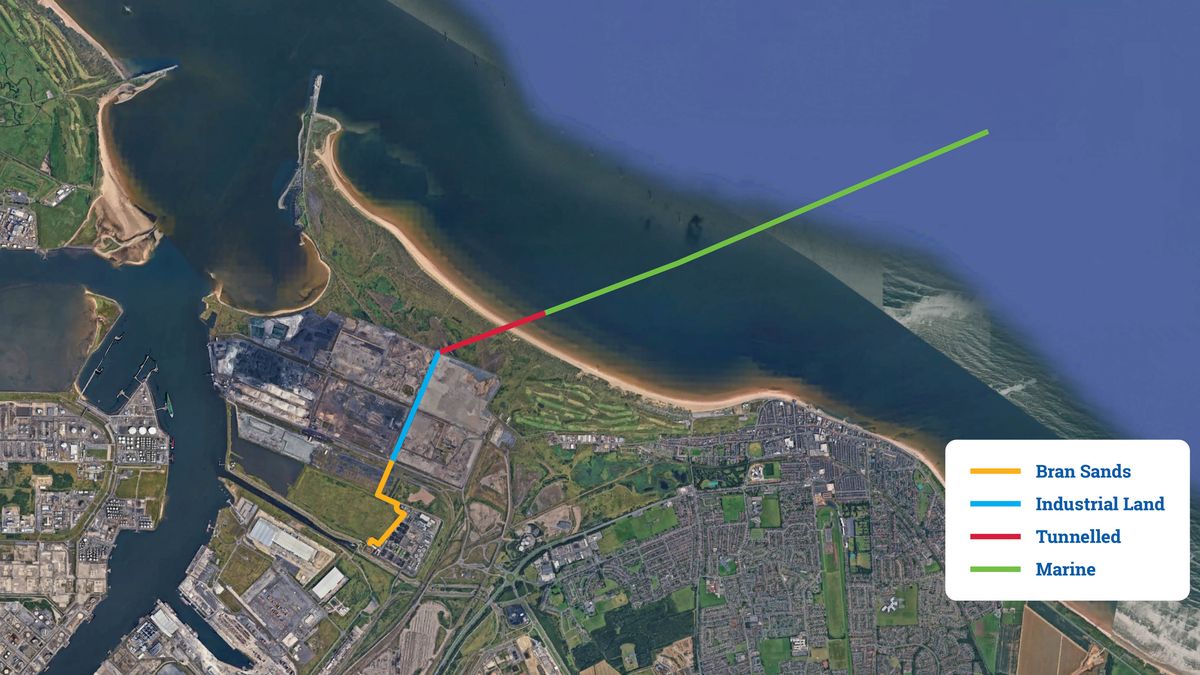
A new pipeline would take waste water from a treatment works in Middlesbrough and deposit it 4.5km off the coast at Coatham, Redcar
07:53, 22 Jun 2026Updated 08:36, 22 Jun 2026
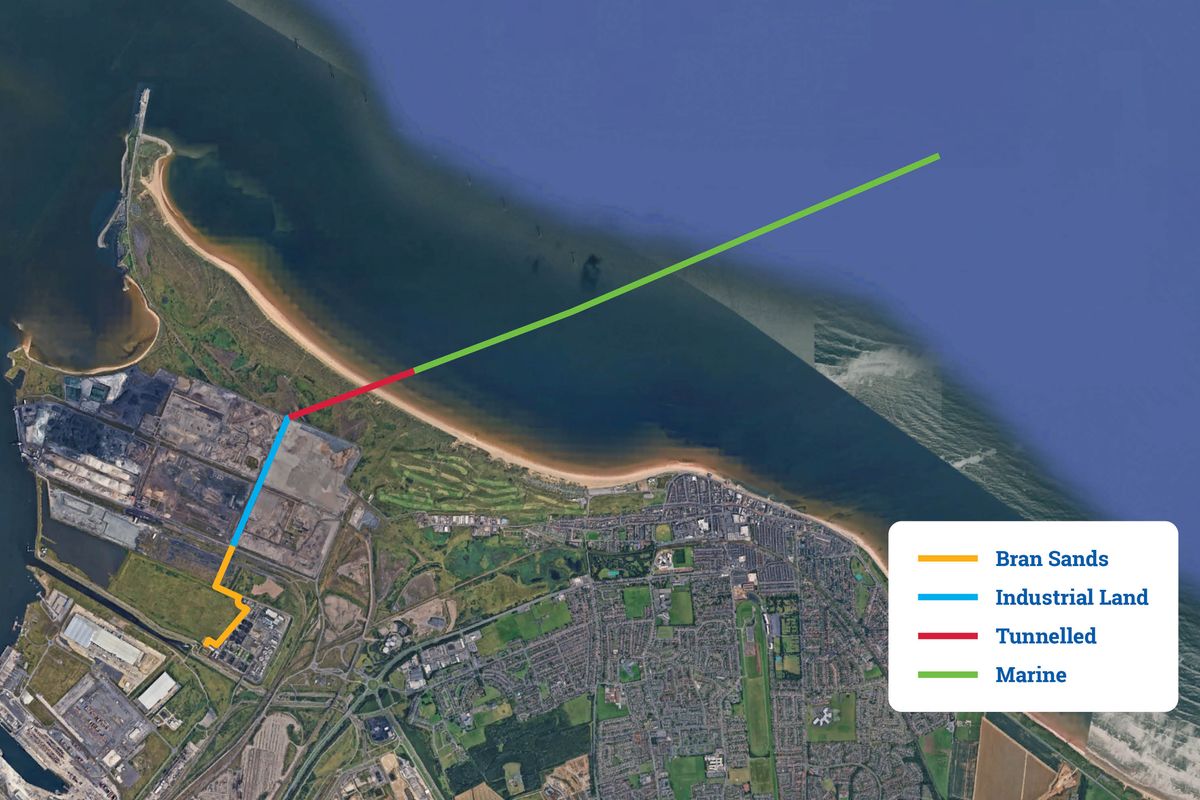
The preferred route for the pipeline(Image: NWL)
A Northumbrian Water project to build a huge – partly underground – pipe carrying sewage treated water out to sea at Redcar has sparked concern among local councillors.
Up to £245m could be spent on the construction of a long sea outfall which would transport cleaned waste water from the Bran Sands Treatment Works on Tees Dock Road, Middlesbrough, depositing it about 4.5km off the coast at Coatham, Redcar.
The project is still in the early preparation stages and a community drop-in event was held last month in Coatham attended by ward councillors Carl Quartermain and Lynne Rynn. The planned route of the pipeline would see the majority of it running through existing industrial land, avoiding residential areas and the likes of a golf club and caravan parks, but it would mean tunnelling under South Gare Road and beneath sand dunes before continuing out to sea.
Cllr Quartermain has written to the water company to seek clarification on a number of aspects, requesting information on environmental assessments to be undertaken and the potential impact on bathing water quality. In lengthy follow-up correspondence in which he posed multiple questions, the councillor also sought further details on projected future discharge volumes, and any safeguards and monitoring.
Cllr Quartermain said there was concern about the extent to which residents were aware of the scheme and he feared potentially “limited” opportunities to engage and provide feedback. He said: “As ward councillors, we are seeking to ensure residents receive clear, transparent and accessible information at an early stage, enabling meaningful engagement on a proposal of significant long term environmental importance.”
Bran Sands currently treats more than 300 million litres of waste a day, which arrives at the site via the sewer network or in tankers. Northumbrian Water says it is cleaned to strict standards allowing it to be safely returned into the environment via an existing outfall at Dabholm Gut, part of the Tees Estuary.
However it still contains nutrients in the form of nitrogen and phosphorus which can contribute to excess algal growth on mudflats supporting a number of wildlife species, potentially harming sensitive eco-systems. The company said a long sea outfall would protect these along with coastal bathing waters and it was following a directive from water industry regulators.
The pipeline will also enable an element of future proofing, taking into account current permitted discharged allowances and a predicted increase in waste resulting from a growth in industry and housing developments on Teesside.
Northumbrian Water also plans further marine nature-based initiatives, including restoration of native oyster habitats. Sections of the Cleveland coast are subject to so-called Special Protection Area status.
A spokesman for the firm said the long sea outfall was a preferred option of Defra’s following “assessment of a range of potential solutions to support long-term environmental improvement objectives”.
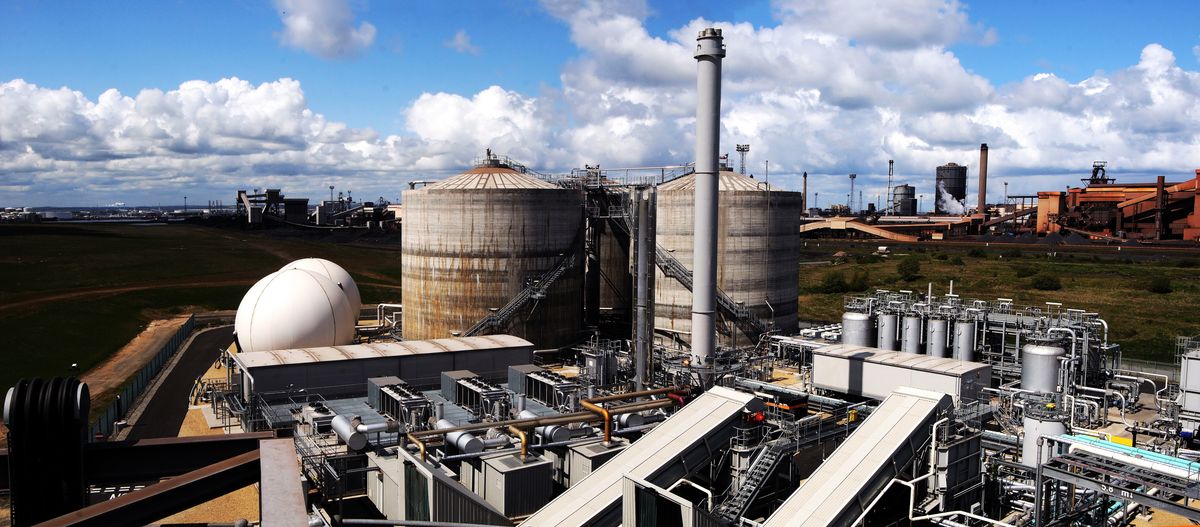
Bran Sands currently treats more than 300 million litres of waste a day(Image: NWL)
It would also enable water released from Bran Sands to be more widely diluted and dispersed within the open sea, protecting the estuary and its wildlife, is said. The spokesman said: “A consultation is taking place with the Marine Management Organisation (MMO) in relation to ground investigation works that will help inform how best to deliver the work while protecting the environment.
“As well as the MMO, we are working closely with organisations including Redcar and Cleveland Council, Natural England, the Centre for Environment, Fisheries and Aquaculture Science, Defra and the Environment Agency, to ensure the project is delivered in the best way possible for the land and marine environment.
“A full Environmental Impact Assessment will be submitted in the coming months. Environmental modelling has been undertaken to inform the location of the proposed discharge point and the project team continues to engage with the Environment Agency and other regulators.
“A number of environmental surveys and technical assessments are currently underway and will help inform the final design, environmental assessment and planning application.”
The company said it would be liaising with stakeholders and communities “over the coming months and years” with the spokesman adding: “We have already held early customer information events, ahead of a full consultation prior to the submission of a planning application next year.”
Northumbrian Water sought to assure that the tunnelling methods to be used would not impact sensitive sand dunes. More information on the project is available online via this link.
Did you know you can make Teesside Live a preferred source of Teesside news in Google, which will mean you get more of our breaking news, exclusives, and must-read stories straight away? Here’s more information about what this means and how to do it – you can also do it by clicking here .
For the latest Teesside news direct to your inbox every day, sign up to our free newsletter
To find all the planning applications, traffic diversions, road layout changes, alcohol licence applications and more in your Teesside community, visit the Public Notices Portal.