
Quartermain sought further details on projected future discharge volumes and any safeguards and monitoring from the water company.
He also said there was a concern about the extent to which residents were aware of the scheme and he feared potentially “limited” opportunities to engage and provide feedback.
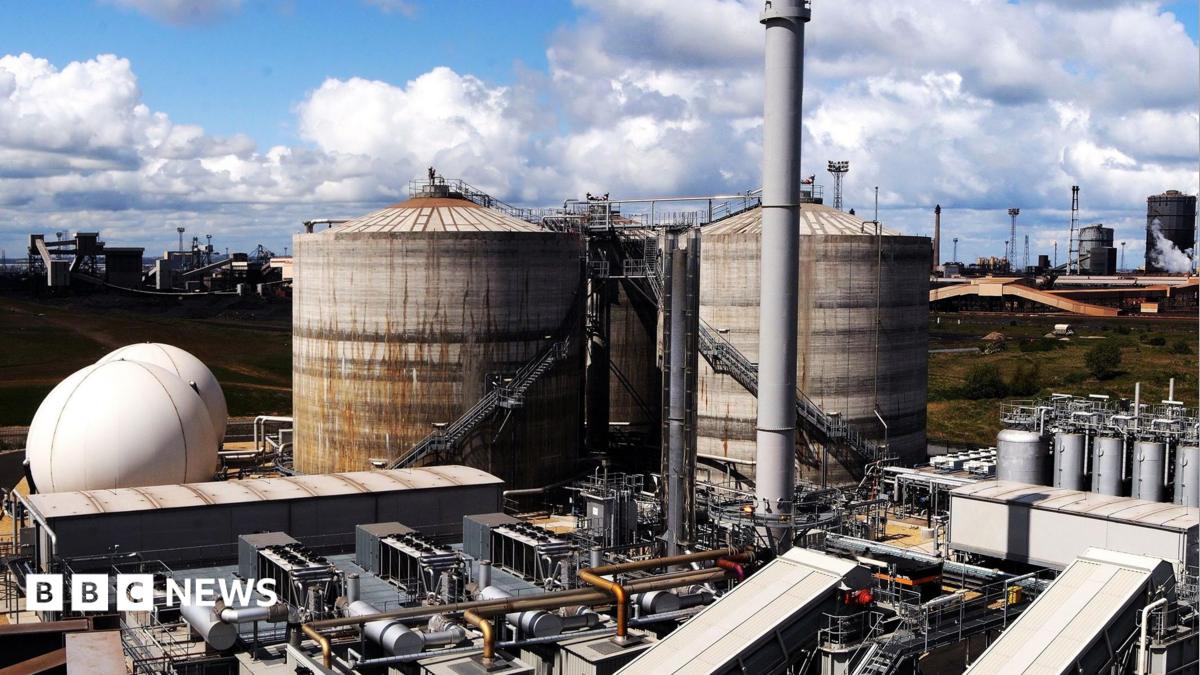
Northumbrian Water said the waste was cleaned to “strict standards” allowing it to be safely returned into the environment through an existing outfall at Dabholm Gut, part of the Tees Estuary.
However, according to the Local Democracy Reporting Service, it still contains nutrients in the form of nitrogen and phosphorus which can contribute to excess algal growth on mudflats supporting a number of wildlife species.
The water company said it was following a directive from water industry regulators.
A spokesman for Northumbrian Water said the long sea outfall was the preferred option of Defra following “assessment of a range of potential solutions to support long-term environmental improvement objectives”.
It would also enable water released from Bran Sands to be more widely diluted and dispersed within the open sea, protecting the estuary and its wildlife, it said.
The company said the tunnelling methods used would not have a negative impact on sensitive sand dunes.
Follow BBC Tees on X,, external Facebook, external, Nextdoor and Instagram, external.