
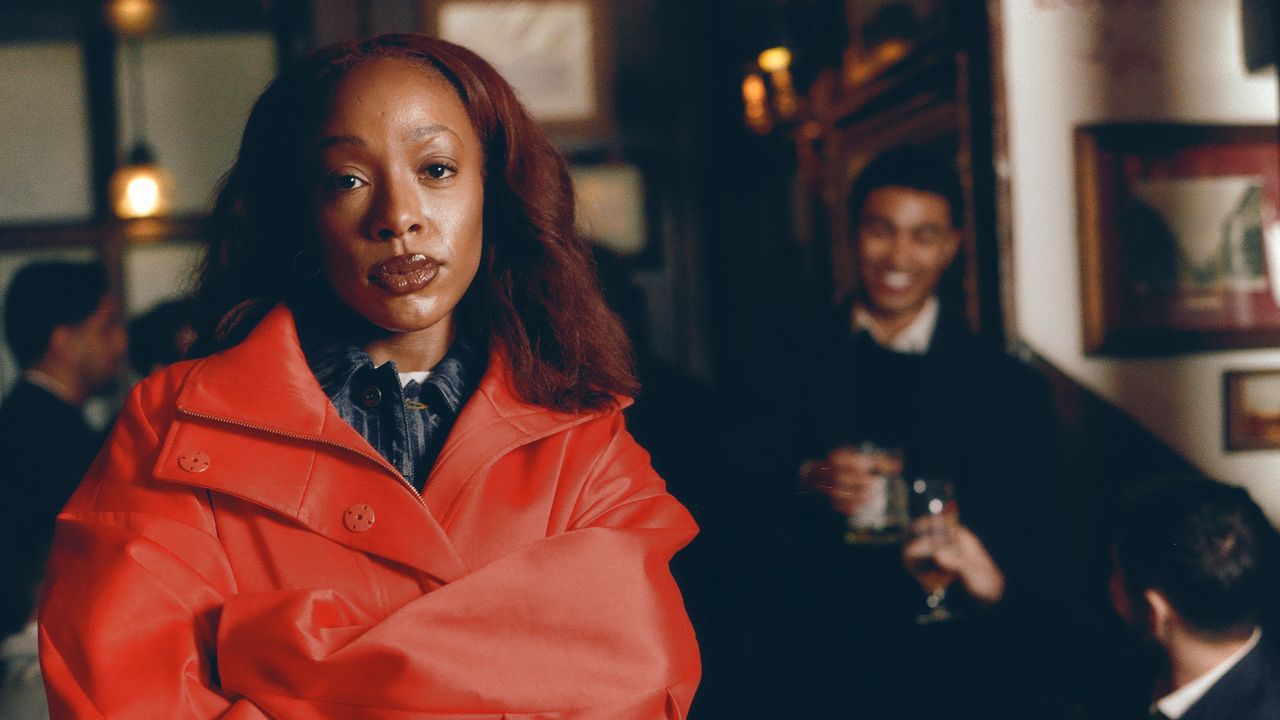
Chanté Joseph is tired of the endless torrent of advice telling us what to change about ourselves in order to find love. What if, she asks, we simply embraced ourselves as we are?
In her column for Glamour UK, the viral journalist and broadcaster explores what it means to be a single woman in 2026. But this isn’t just another magazine column purely about romantic relationships. Chanté delves into all facets of modern singlehood, and how it impacts everything from our friendships, families, and our relationship with ourselves and the world around us.
In her final column, Chanté explores navigating singlehood and sickness, particularly when the privatisation of care means partnership can replace the role of the state. Without it, healthcare feels insufficient for single people.
Chronic tonsillitis and debilitating ear infections made my childhood hellish. I spent weeks away from school with my parents, who rotated time off work to care for me. While my ears improved – mainly because I had given up on swimming, forcing me to restart lessons at 26 – tonsillitis became a regular fixture in adulthood, eventually culminating in a particularly nasty case that landed me in the hospital for a few nights just before the pandemic.
My weird on-again-off-again situationship at the time, a stocky rugby boy from Clapham who was strategically emotionally withholding genuine kindness, to my surprise, showed up at the hospital to visit me. He brought with him a singular 1-litre carton of Oatly – at the time, I was an oat milk evangelist, not enough to drink it straight from the box, though – and various snacks I was unable to swallow because of, well, tonsillitis. He did his best impression of someone concerned, but as hospital bed IV-drip sex was not on the cards, the conversation on his part began to flake, and I didn’t have enough energy to engage him. Before announcing his departure, he insisted I didn’t tell anyone he came or post it on my story, as I had with the other items people dropped off for me during my stay, and left. He would kiss me in clubs and parties in rooms full of our peers, hold my hand in the street, but visiting me on my sick bed was just a step too far.
Lying there in the wake of his departure with a gorgeous view of Westminster outside my window, I started to panic. I was under the care of patient doctors and nurses who monitored me and checked in on me; they had an obligation to care. However, despite begging to leave the hospital every day, the thought of heading home and caring for myself alone was exhausting. No space at my mum’s house, my dad living outside of London, and a situationship that looked visibly mortified at the idea that I might need him for anything, I felt stuck. My desire for a relationship haunts me most at three times: on Sundays, when I’m hungover or when I’m sick. The latter is my current fixation as I navigate a new decade single. For this piece, I spoke to 37 women about their experiences navigating singlehood and sickness, and their stories felt so familiar to me.
The cultural and political obsession with marriage and partnership is in part due to the privatisation of care. The family unit and the obligations that come with belonging to one replace the role of the state, and, as a result, much of what is available around health care feels insufficient for single people. There is a message constantly peddled to single women that they need to partner up and have children, because who will take care of us when we’re sick? In some ways, it feels like our healthcare services ask us the same questions. “The NHS, particularly when it comes to treating anorexia, runs on the implicit understanding that you have family or a partner, or at least one other person that lives with you to help with eating, daily tasks, all the admin the NHS gives you, exercise management, on top of daily life – for me that’s not the case, so building a little community was so important.” Tamia-lea, 30, tells me.