
The UK Health Security Agency (UKHSA) has issued red heat health warnings as temperatures soar
People who take regular medication should be aware of this advice(Image: elenaleonova via Getty Images)
Anyone taking a common heart medication has been urged to move their supply this week, as the current heatwave could quietly render it useless. Sweltering conditions are currently gripping parts of the UK, with temperatures forecast to hit 40°C, prompting a series of urgent health warnings.
The UK Health Security Agency (UKHSA) has issued red heat health warnings covering the West Midlands, East Midlands, South East, South West, London, and East of England. Those living outside the affected warning zones should still take precautions, particularly if they are prescribed medicines such as statins.
An estimated seven to eight million adults in the UK take statins, making them one of the most widely prescribed drugs in the country. Most medicines must be stored at temperatures below 25°C or their active ingredients can begin to break down, rendering the pills ineffective.
This poses a potentially serious risk for anyone dependent on cholesterol-lowering medication, as it could result in undetected increases in low-density lipoprotein (LDL) cholesterol. Should the medication stop working properly, patients could unknowingly face the prospect of life-threatening heart complications.
As statins must be kept away from the fridge to prevent moisture damage, those who depend on this medication need to identify the coolest spots in their home to ensure their tablets remain effective. Avoid placing them on windowsills or bedside tables, as direct sunlight passing through glass creates a greenhouse effect, pushing the temperature of the medicine packaging well above that of the surrounding room, reports the Express.

People need to be aware during the hot weather(Image: Getty)
Your choice of room can also make a significant difference, as areas prone to frequent temperature fluctuations — such as the kitchen or bathroom — can compromise the medication through exposure to humidity from showers or heat generated by cooking appliances, including ovens, hobs, and air fryers.
The best approach is to choose locations that remain relatively stable in temperature and are better equipped to withstand the demands of a heatwave. Drawers, wardrobes, cupboards, and pantries are all suitable options, particularly over the coming days.
A low-level drawer in the bedroom or hallway could be a practical choice, as cooler air naturally settles closer to the floor. Spare space inside a wardrobe or storage cupboard also tends to stay cooler for longer, particularly when the unit does not share a wall with the building’s exterior.
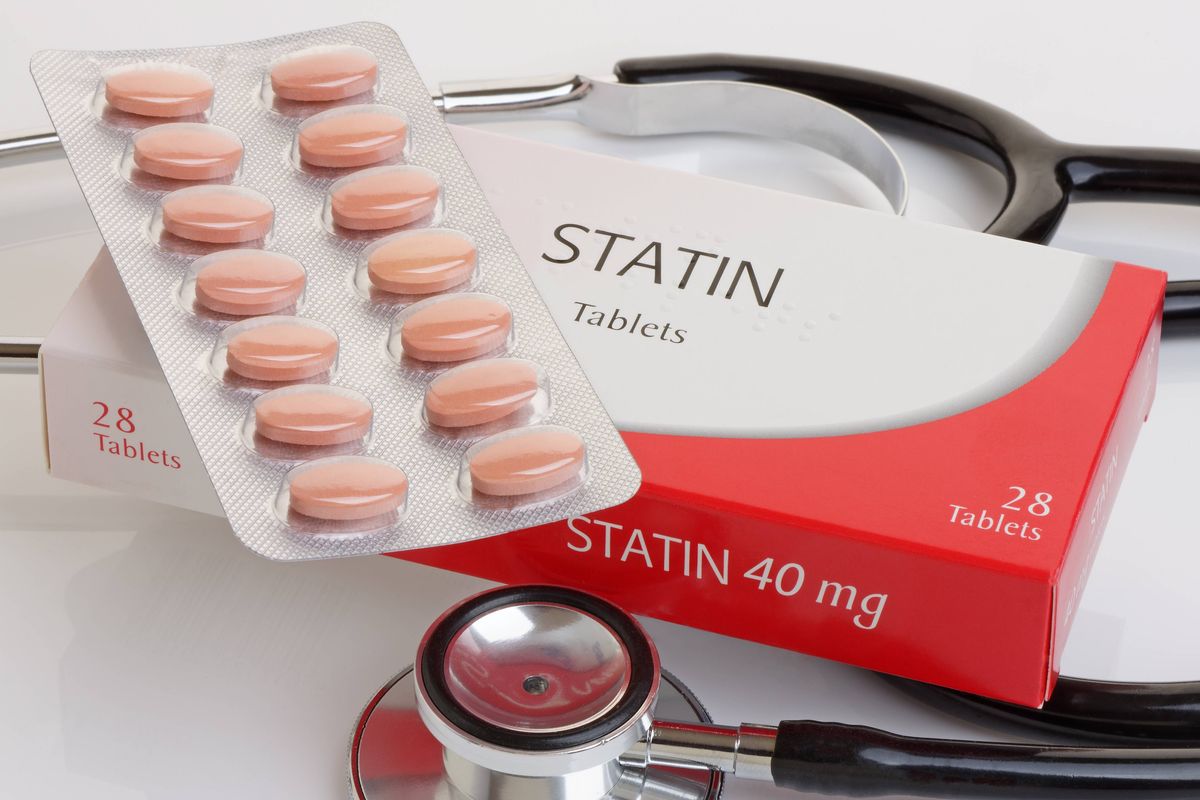
If you suspect your statins have been heat-damaged, do not take the risk(Image: rogerashford via Getty Images)
Storing medication in a pantry or larder may seem unusual, but these dark, cool spaces, particularly on the ground floor, typically have lower, more consistent temperatures than the rest of the house. Ensure all medicines remain clearly labelled and stored out of reach if there are children in the home.
How to tell if statins have been heat-damaged?
It is almost often impossible to tell if a statin tablet has been heat-damaged just by looking at it, as active ingredients can degrade without changing the tablet’s appearance. Check for any crumbly, chalky texture or abnormal discolouration.
Blister packs that have melted, warped, or become brittle are clear signs of excessive heat exposure. If you suspect your statins have been heat-damaged, do not take the risk and contact your pharmacist to confirm whether the medication is safe to use or if a replacement is needed.
For more information about statins, go to the NHS website here. It includes details on specific statin types, possible side effects, and general precautions.