
A decade on and the results of Brexit are mixed. The NHS has adapted, but it isn’t in great shape. We do have greater control over immigration, but the issue still dominates our fractured politics. Our economy is worse off for leaving the EU. You can read more about all that in the first part of my Brexit anniversary series on Substack.
There is one more promise from the Vote Leave campaign: the issue of sovereignty and taking back control. I explored that claim – and put everything I’ve found – to Lord (Matthew) Elliott, chief executive of Vote Leave and a Conservative peer.
You’re reading The FourSight, a newsletter from Channel 4 News’ expert journalists explaining the complexities of the biggest global stories

The Vote Leave campaign talked about sovereignty. Is that what Brexit delivered?
Well, the UK is no longer bound by European laws. We’ve had three elections since Brexit and six prime ministers – with a seventh on their way. What we have today is a democracy with added chaos. A sense that voters are asking for change, but not getting it.
“I think a lot of people are very frustrated with what’s currently happening,” said one person to me in Birmingham. Another told me: “It’s the entire political class, the civil service that wants no change. We need a bomb under the place, really. And one day, politically speaking, they’ll get one.”
 10 years of Brexit: What has happened since?
Professor Maria Sobolewska, at the University of Manchester, is the co-author of the book ‘Brexitland’. She said that the problem with the campaign was that “the promises were all about the end results, but we did not have plans about… how it will be delivered.”
She added: “I think many people were hoping that bringing the question of Europe to the table will settle things down. Quite the opposite. All sorts of questions were opened and we are still dealing with the consequences. We have many more parties competing than ever before and we see that lack of stability.
“We have seen so many prime ministers and we have this continual narrative that a person in charge will change our political future. I think that is one of the bad legacies of Brexit… British politics is in chaos. Changing the leader of the party will almost certainly not solve any of these issues.”
Lord Elliott, pictured below, who was chief executive of the Vote Leave campaign, disputes that leaving the EU has led to fractured politics.
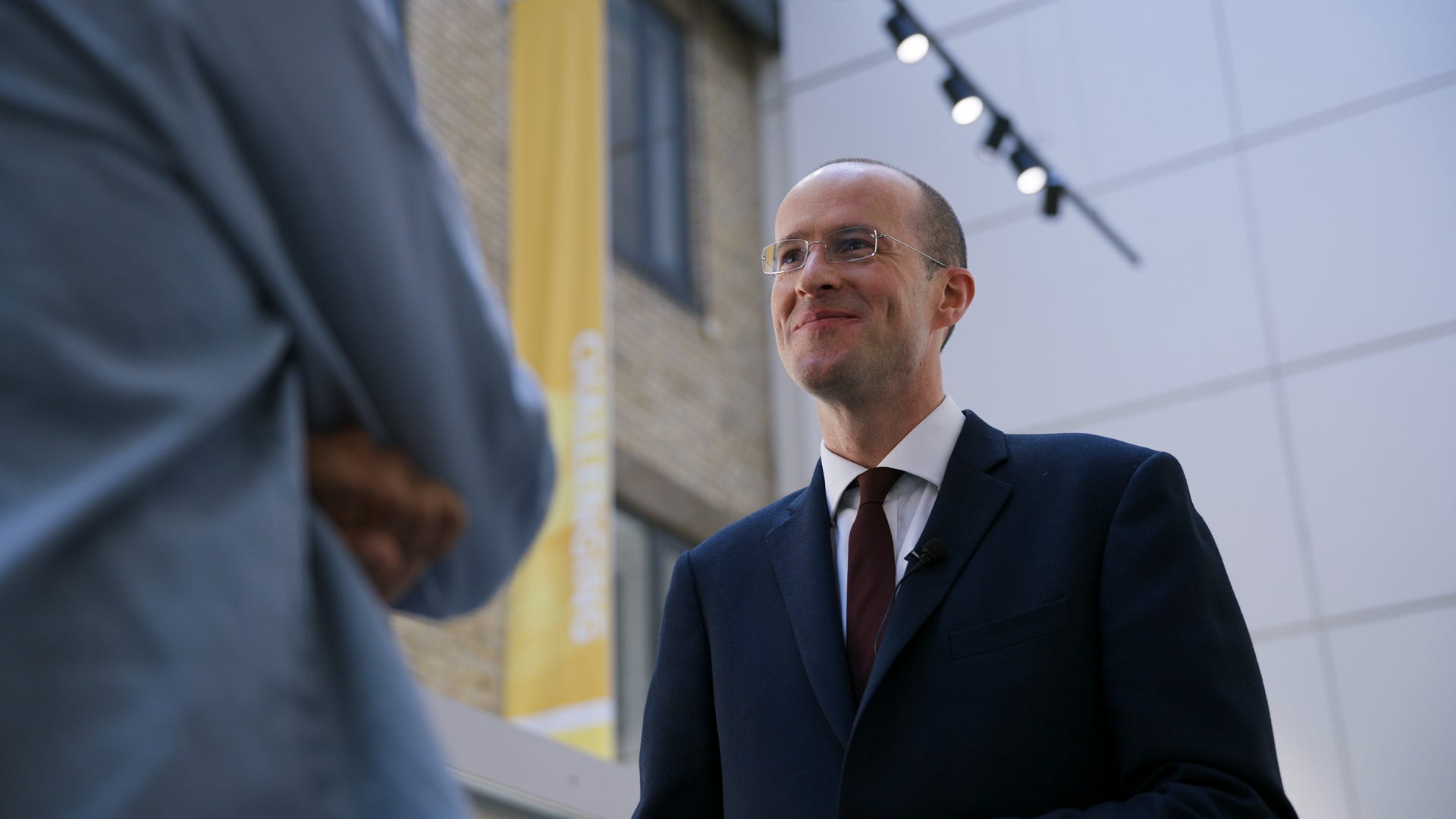
He said he was pleased that Brexit brought back control, as it “restored accountability of politicians. For me, that’s a crucial point. When a government is elected with a majority, they alone are responsible for what happens during their time in office”.
Elliott argued that to say Brexit is at fault is to ignore the wider trend of global populism in nations that never held a referendum like we did. “If you look at politics across the world, you’re seeing basically the decline of the traditional parties. You’ve seen this in France with the rise of the far right and the far left. You’ve seen it in Germany with the AfD.”
I spoke to Lord Elliott about what we found when going through the Vote Leave promises of a decade ago, including that infamous promise of £350m. In his new book on Brexit, he writes that “the extra £350 million a week for the NHS was achieved in 2019, just three years after the referendum, before we had actually left the EU”.
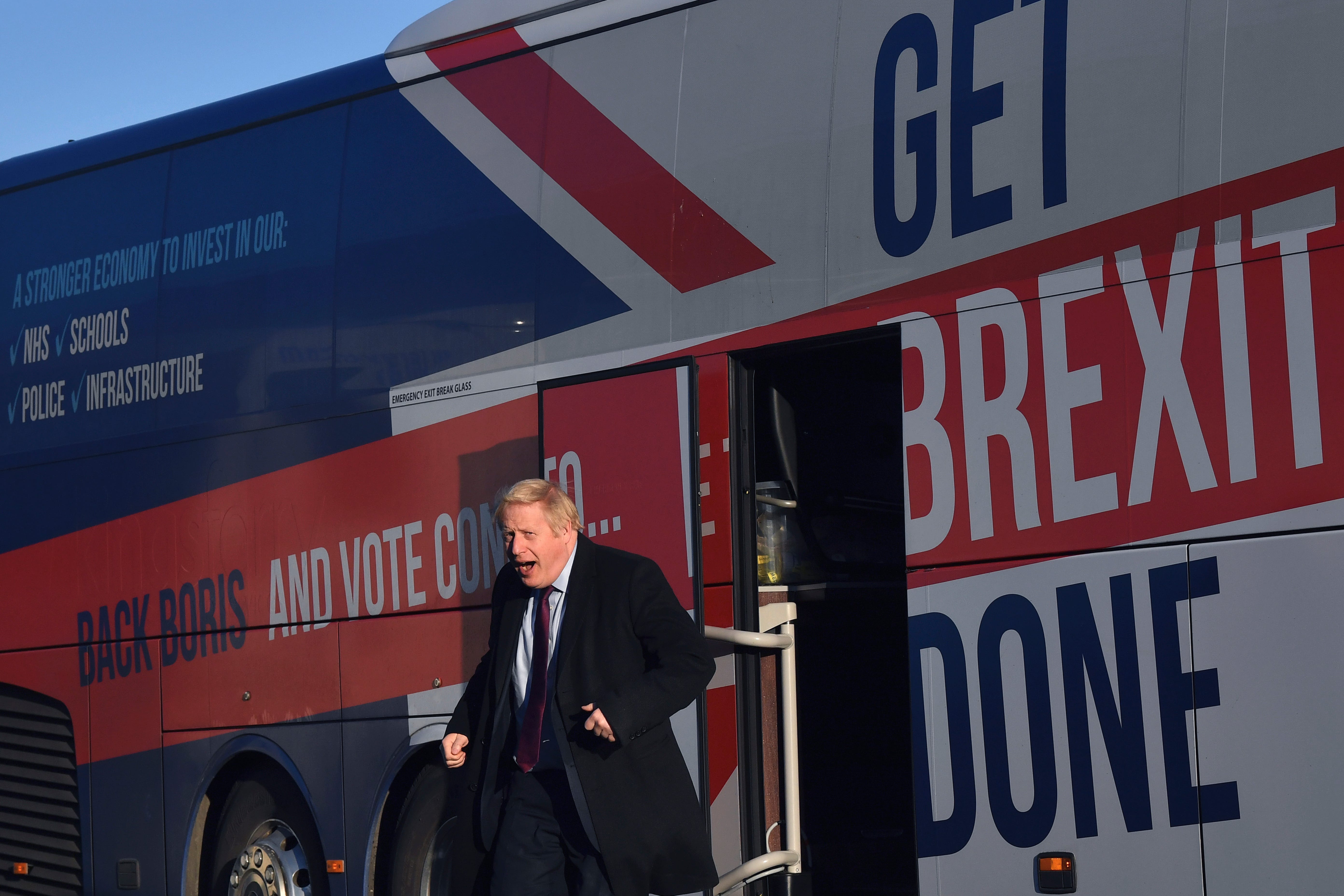
I pointed out that not only was that figure misleading, but as he says we started paying that money to the NHS before we even left the EU, it shows that we could have spent more on the NHS while still a member of the EU.
“Well, on the side of the bus, we were saying we’d get more money, we’re getting more money.”
I replied: “But we hadn’t left the EU, so we had that money anyway to use. It’s political willpower, isn’t it? It’s not Brexit?”
A long pause. “I’m not quite sure where you’re going with this”.
Lord Elliott emphasised that we now have some “great trade deals”.
I brought up Lorenzo and James, the businessmen I spoke with on my journey around the country in my previous Substack, who both complain about red tape and a more difficult environment for their businesses.
“You may find one or two case studies, but overall, our trade is up,” he replied.
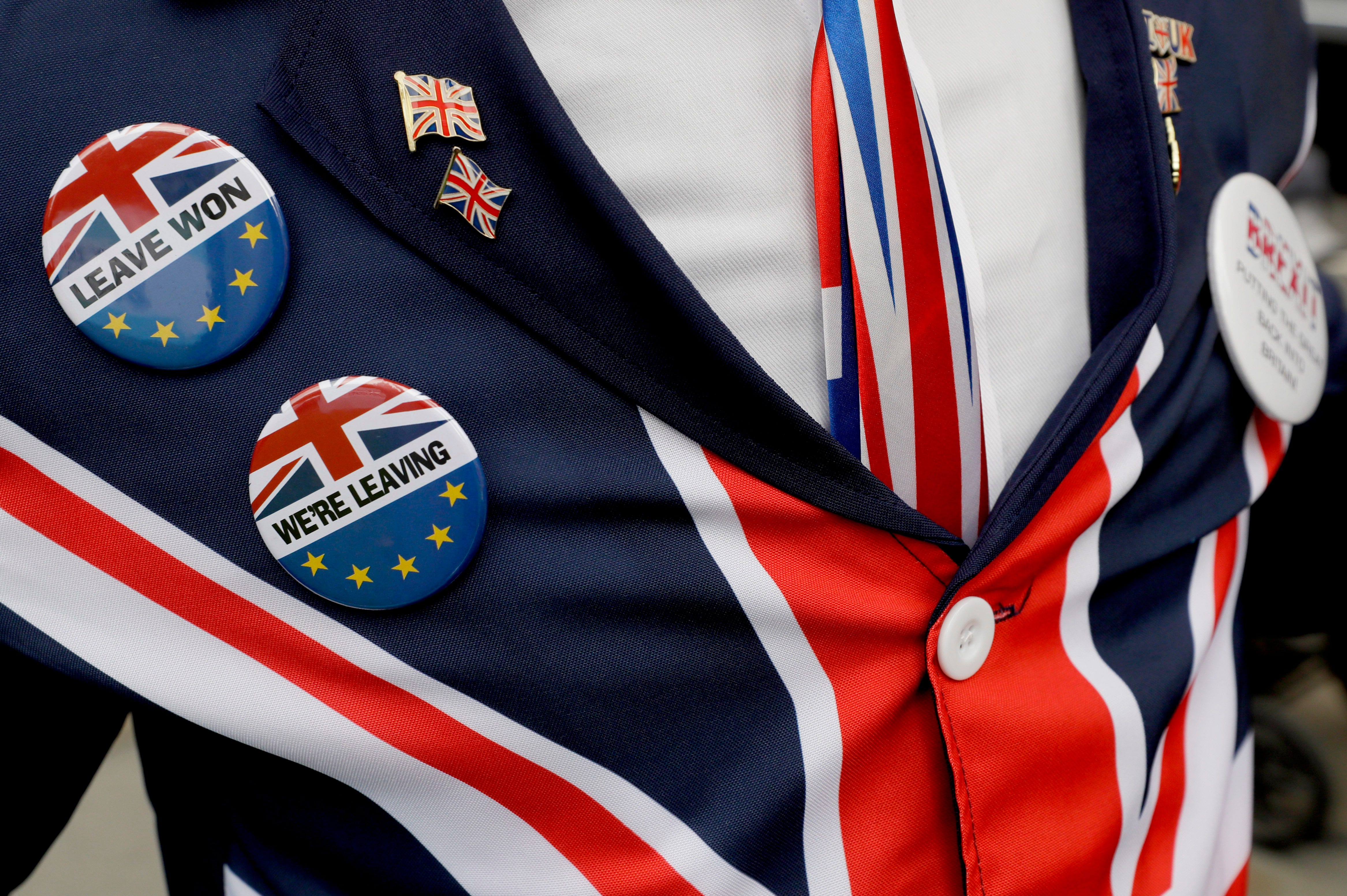
“Even though they might be one or two case studies,” I said, “those are real individuals whose businesses have really felt the effects of Brexit.”
“There will also be companies who, before Brexit, weren’t able to trade with other countries across the world who the EU didn’t have trade deals with,” Elliott replied. “So you have to look at things in the large.”
That bigger picture is crucial for Lord Elliott.
In his book, when looking at what Brexit has delivered, he writes that “on some, the record has been atrocious. On others, we’ve had some wins”.
Yet step back and the referendum was all about “taking back control”. He always returns to that mantra.
Take immigration. I pointed out that the Vote Leave website talked about a fairer points-based immigration system. We got that. But people then argued net migration was too high. Was Vote Leave about controlled immigration or fewer immigrants?
“That’s a good question. If you go back to the immediate polling after the referendum and ask people what they’re voting for, actually the number one issue was the sovereignty point.”
 Exclusive: How desperation is fuelling deported migrants to reattempt Channel crossings
Again, taking back control. Regarding immigration, Elliott argued that “the key point about Brexit and the points-based system was the fact that, at that point, it’s up to politicians to decide the mix of people they want to give visas of all kinds to”.
I put to Lord Elliott that surely he can see Brexit is a factor in sparking our present immigration debate and the rise of Reform and Restore Britain. His fellow Vote Leave campaigner, Dominic Cummings, has been reposting content from Rupert Lowe MP.
“I think it’s a very separate issue to Brexit.”
“You don’t think Brexit has created a much more vocal, much more fractious debate when it comes to the issue of immigration?”
“I don’t actually, no.”
I finished by asking Lord Elliott if he has any regrets 10 years on.
Of the campaign, no, he said, but “following the Brexit vote, things turned very quickly to a Conservative Party leadership election, because David Cameron chose to resign. So it went from talking about Brexit to being about the Conservative Party. I think, over that weekend, it would have been great for the Vote Leave campaign to be out a little bit more”.
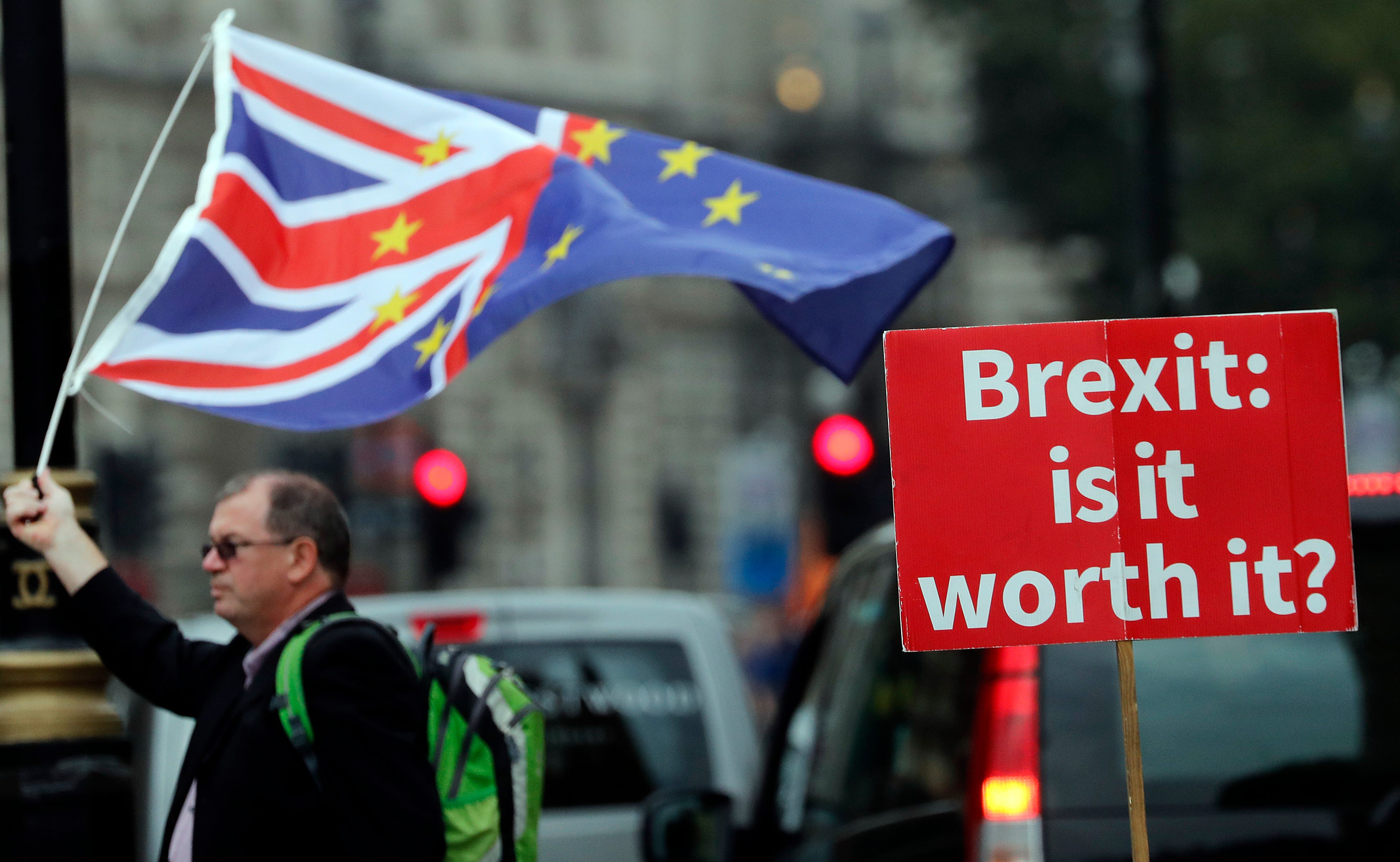
I mentioned how many people are frustrated with the politicians who handled our Brexit deal. Did he not wish that he had done more, rather than leaving it to Theresa May and others?
Unsurprisingly, he answered: “What I’m pleased about is the fact that Brexit has actually brought back control to the UK.”
Presenter: Kiran Moodley
Producer: Harriet Tatham
Editor: Matthew Lucas
Motion Graphics: Ian Watkins
Series Producer: Kieron Bryan