
They’ve been nominated in Your Heroes Awards 2026
17:45, 25 Jun 2026Updated 17:46, 25 Jun 2026
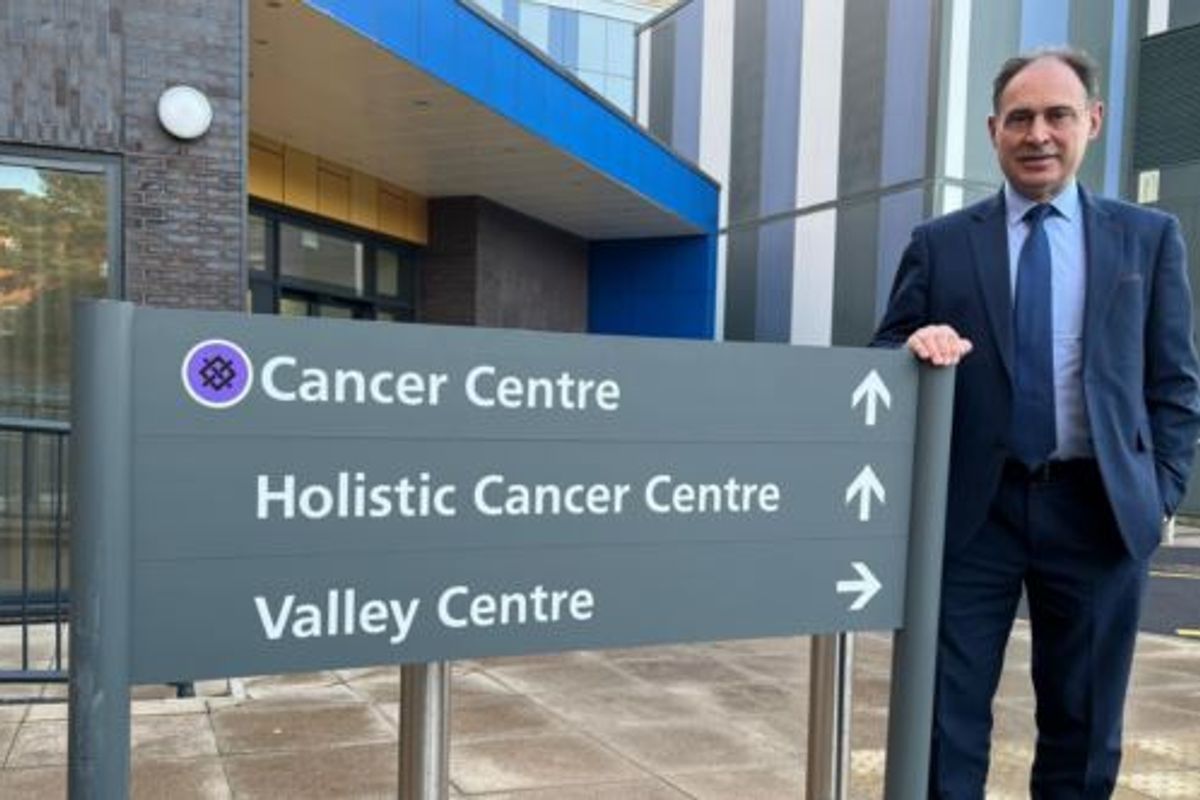
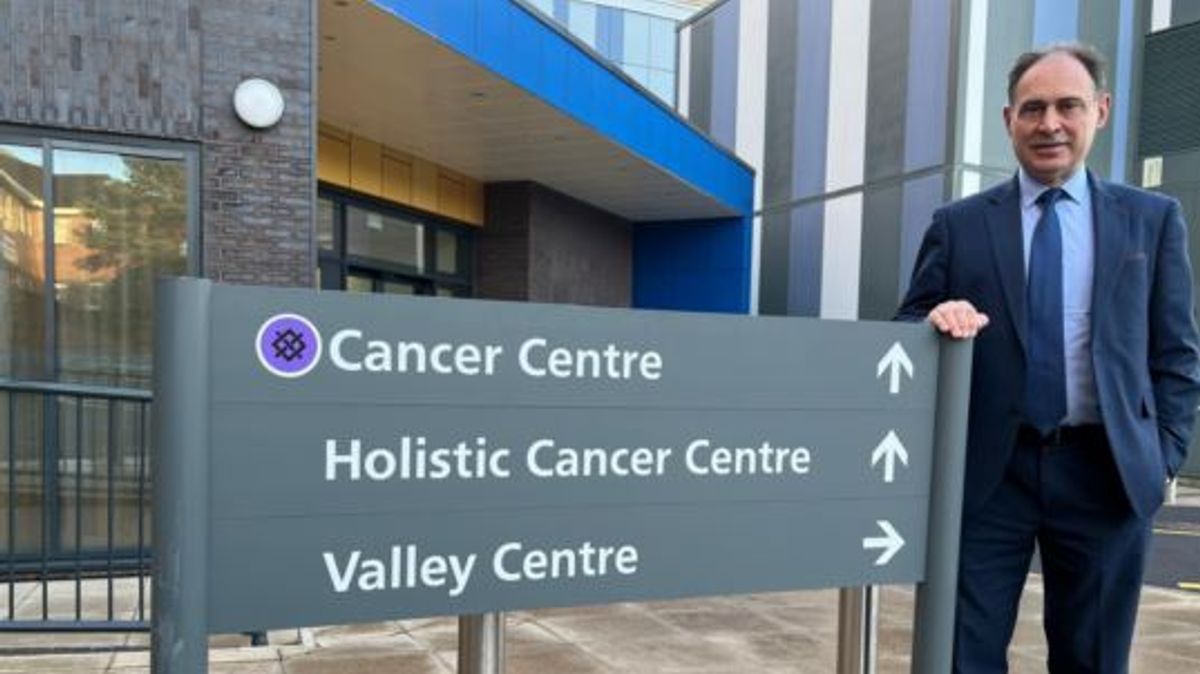
Professor Josep Sulé-Suso
Researchers at Stoke-on-Trent’s main hospital have developed a pioneering blood test that could change the way cancer is detected and monitored. The study, published in Applied Spectroscopy and developed in partnership with Keele University, Loughborough University and other UK partners, shows for the first time that a new technique called Fourier Transform Infrared microspectroscopy can find even a single cancer cell in a patient’s blood.
The cancer cells known as circulating tumour cells can break away from a tumour and travel in the bloodstream giving important clues about how the disease is progressing and how well treatment is working. These are the cancer cells that could lead to cancer spreading.
Current methods to detect these cells are complicated, expensive, time-consuming and can sometimes miss cancer cells if they change their characteristics whilst in the bloodstream in the body.
The Royal Stoke University Hospital research team’s new method is simpler, cheaper and uses standard glass slides already found in pathology labs making it easier to use adopt in everyday clinical practice.
The team successfully tested the new method using a blood sample from a 77 year-old Royal Stoke lung cancer patient. Using advanced scanning technology and computer analysis, researchers were able to pinpoint a single cancer cell among thousands of healthy blood cells with the result independently confirmed by specialist testing.

Your Heroes Awards 2026
Professor Josep Sulé-Suso, associate specialist in oncology and lead author of the study, said: “This breakthrough could allow doctors to monitor cancer in real time using a simple blood test. Our team was able to detect a single lung cancer cell in a patient’s blood by combining advanced infrared scanning technology with computer analysis, focusing on the unique chemical fingerprint of cancer cells. It works using an infrared beam similar to one found in a TV remote control, but more powerful. This approach has the potential to help patients receive earlier diagnoses, personalised treatments, and fewer invasive procedures, and it could eventually be applied to many types of cancer beyond lung cancer. ”
The team will now evaluate this approach in larger patient groups, with the aim of developing a rapid, automated blood test that could be integrated into NHS cancer care pathways.

University of Staffordshire
The project was supported by UHNM Charity and North Staffordshire Medical Institute, with additional support backing from Keele University and Loughborough University and international research facilities.
Lisa Thomson, director of UHNM Charity, said: “By investing in research, new technologies and innovative approaches to care, UHNM Charity is giving our clinicians the tools and opportunities to deliver better treatments and faster diagnoses today while driving the breakthroughs that will shape the future of healthcare for our patients.”
Professor Josep Sulé-Suso and his team have been nominated in the NHS Hero category of the Your Heroes Awards.
This is the 20th Year of the Your Heroes Awards which celebrate people and organisations in North Staffordshire. To date it has told more than 2,000 heartwarming local stories. The awards campaign is organised at University of Staffordshire and The Sentinel will be sharing the nomination articles each day. To nominate unsung heroes within your own community, click here.
Get even more North Staffordshire exclusives – and it is free