
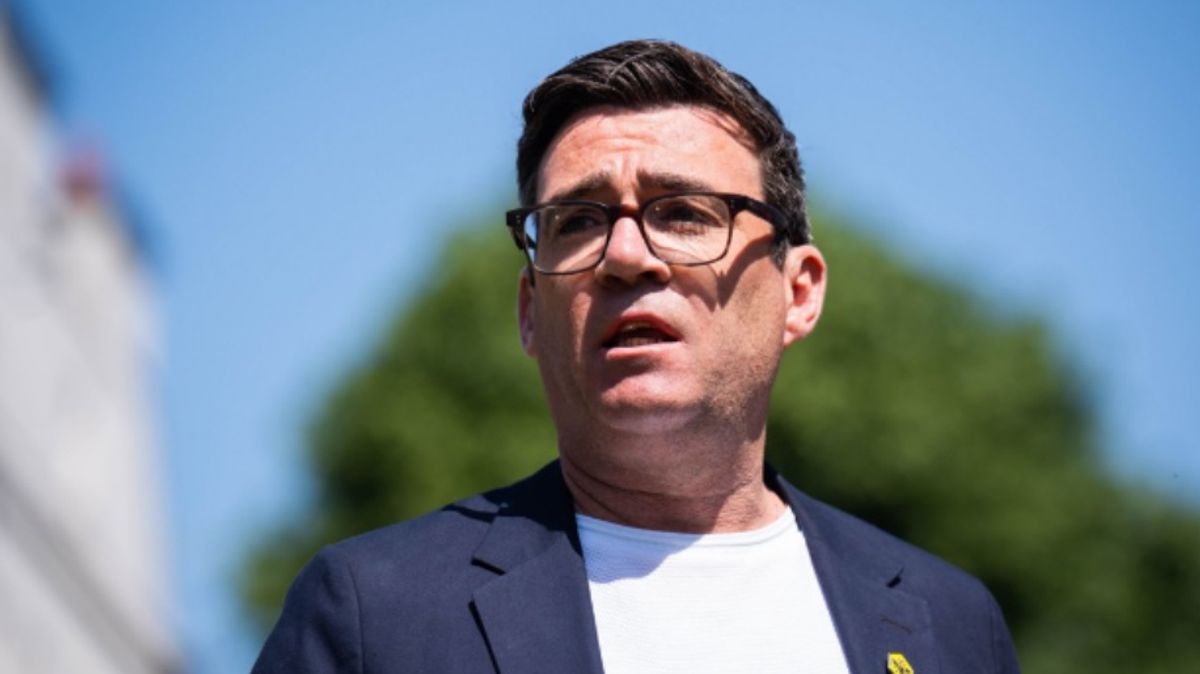
The incoming MP for Makerfield, who is widely expected to become Labour Party leader after Sir Keir Starmer resigned on Monday
08:46, 25 Jun 2026Updated 07:35, 26 Jun 2026
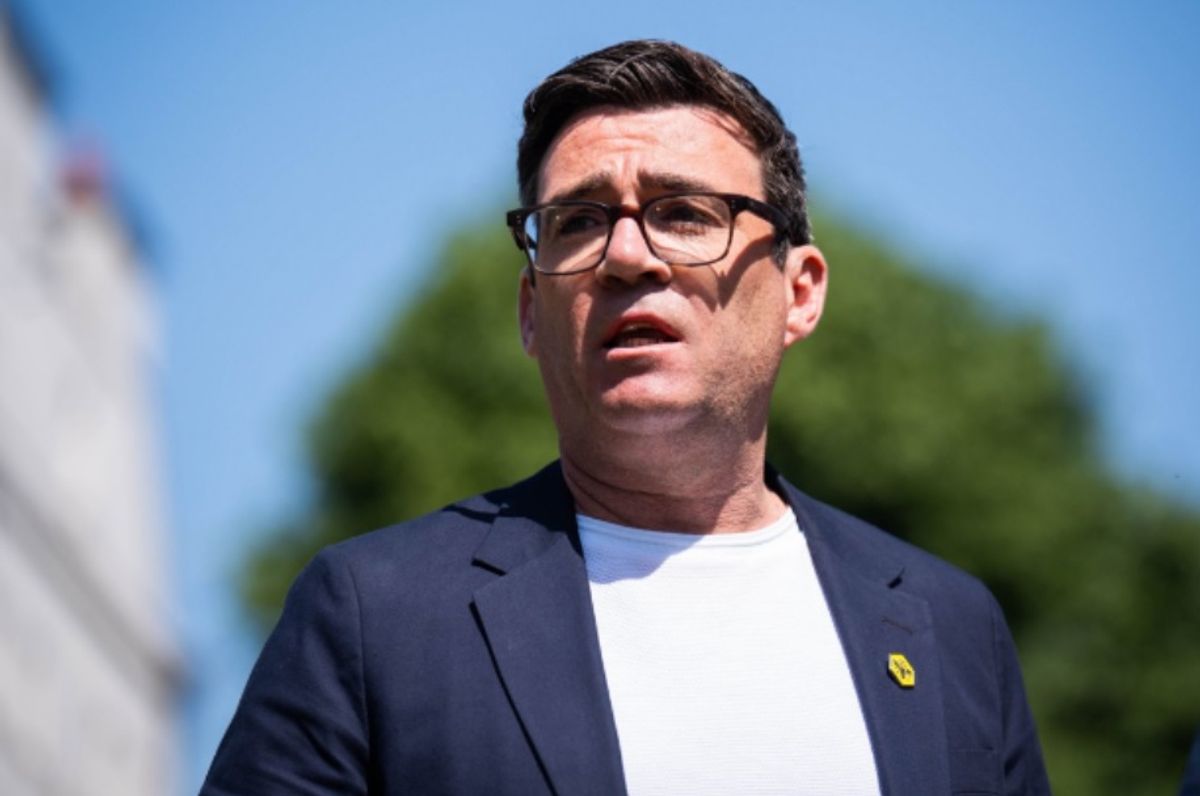
The incoming MP for Makerfield, who is widely expected to become Labour Party leader after Sir Keir Starmer resigned on Monday
Andy Burnham wants to introduce a massive change to income tax across the country. The incoming MP for Makerfield, who is widely expected to become Labour Party leader after Sir Keir Starmer resigned on Monday, wants to give local authorities devolution over income tax.
Mr Burnham is examining what one close ally has described as “constitutional devolution”. Lord Jim O’Neill, who served as a key economic adviser during Mr Burnham’s time as Greater Manchester Mayor, told LBC that exploring elements of income tax devolution “is definitely something that would be on the agenda to study in a serious way.”
“In many ways what we’ve had the past 12, 13 years is tiptoe with little drip feeding bits of ‘if you’re good, you can have a little bit more,'” Lord O’Neill said. “This would be a whole new level.”
READ MORE Motorhome and campervan drivers face being targeted by changes in England
“Business rates devolution is a very strong probability. I think exploring [devolving] aspects of income tax is possible … It is definitely something that would be on the agenda to study in a serious way,” he said.
“Why does anybody in Westminster think they know what the adult skills needs in Rotherham are, and assume they’re the same as in Reading?” Lord O’Neill asked. “They’re completely different.”
He described the redistribution of power away from the capital as “badly needed.”
It is unclear what the radical suggestion would mean for how income tax revenues are distributed around the country.
Lord O’Neill, who is among Mr Burnham’s closest advisors, also warned that a “spectacular rise” in public spending could not continue without being punished by financial markets.
“We do not have 10-year gilt yields sitting above Greek equivalent yields for no reason,” he told CNBC in an interview.
“It’s because we have got a spectacular rise in public spending and our debt levels.”