
Your support helps us to tell the story
From reproductive rights to climate change to Big Tech, The Independent is on the ground when the story is developing. Whether it’s investigating the financials of Elon Musk’s pro-Trump PAC or producing our latest documentary, ‘The A Word’, which shines a light on the American women fighting for reproductive rights, we know how important it is to parse out the facts from the messaging.
At such a critical moment in US history, we need reporters on the ground. Your donation allows us to keep sending journalists to speak to both sides of the story.
The Independent is trusted by Americans across the entire political spectrum. And unlike many other quality news outlets, we choose not to lock Americans out of our reporting and analysis with paywalls. We believe quality journalism should be available to everyone, paid for by those who can afford it.
Your support makes all the difference.Read more
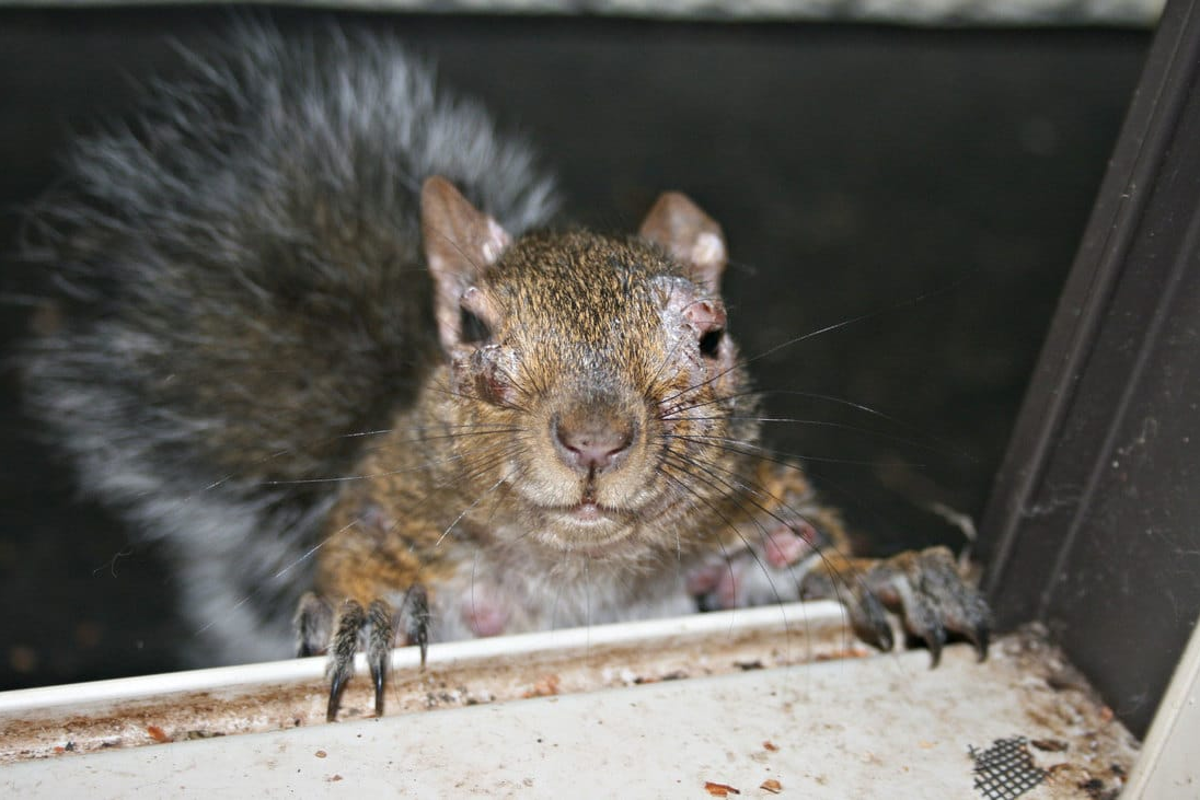
Squirrels with unsettling wart-like lesions have been seen in several U.S. states this summer – but experts say the grotesque sight is caused by a common disease that often clears up on its own.
Residents in several states, including Florida, Michigan and North Carolina, have spotted squirrels with oozing tumors on their heads and bodies in recent weeks, the Daily Mail reported. The growths inspired many to nickname them “zombie squirrels” – but these rodents aren’t coming back from the dead.
Instead, the tumors are likely linked to squirrel fibromatosis, a disease caused by the Lepripoxvirus.
The tumors often don’t affect the squirrels or impact their ability to survive, but in rare cases, they can spread to their organs, causing weakness and lethargy, according to the Indiana Department of Natural Resources. Infections tend to happen in the spring and summer – leading to a flurry of social media posts about the “zombie squirrels” each year.
“Found this poor squirrel in my back yard really scared the crap out of me because I could tell it looked deformed,” one Ohio resident wrote on Facebook last month.
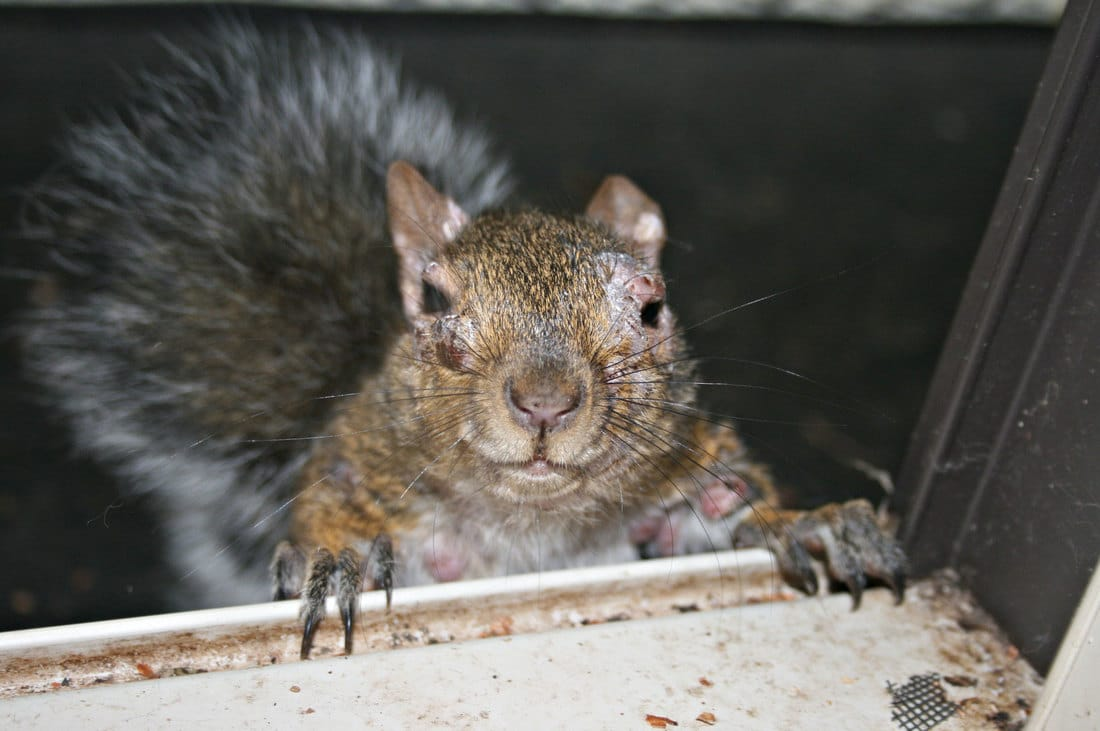 So-called ‘zombie squirrels’ are popping up in states across the U.S. Experts say the wart-like growths are likely caused by squirrel firomatosis (Wild Things Sanctuary NY)
Another Facebook user shared photos of an Eastern Gray Squirrel with “patchy fur and reddish bumps” foraging in a Tarpon Springs, Florida, backyard.
“Because of their alarming appearance, those infected are often called ‘Zombie Squirrels.’ Fortunately, the infection usually clears up on its own and squirrels often recover within four to eight weeks,” the user wrote on June 3.
The virus isn’t cause for alarm, either. Humans and household pets (like cats and dogs) can’t catch squirrel fibromatosis, according to the Indiana Department of Natural Resources. But homeowners who spot the squirrels in their backyards still shouldn’t try to catch them, experts say.
“I would not recommend trying to capture a squirrel that has the virus. It is naturally occurring and will run its course in time,” Shevenell Webb, a wildlife biologist and furbearer specialist with the Maine Department of Inland Fisheries and Wildlife, told Bangor Daily News last year.
The disease can quickly spread between squirrels when they gather in groups. Webb urged homeowners to consider removing bird feeders from their yards, which squirrels often flock around to steal a quick snack.
“It’s like when you get a large concentration of people,” Webb said. “If someone is sick and it’s something that spreads easily, others are going to catch it.”