

The UK has an unbalanced economy with a disproportionate level of economic activity, including large-scale government investments, concentrated in the greater South-east of England.
This is a greater economic concentration than almost all G7 comparators. Indeed, only two out of 12 UK regions are net contributors to the UK Treasury.
Recently, Northern Ireland has performed well in a range of indicators, but we are coming from a low base in terms of productivity, skills and infrastructure.
Some may argue it is ultimately the overarching economic indicators of growth, productivity and employment that matter.
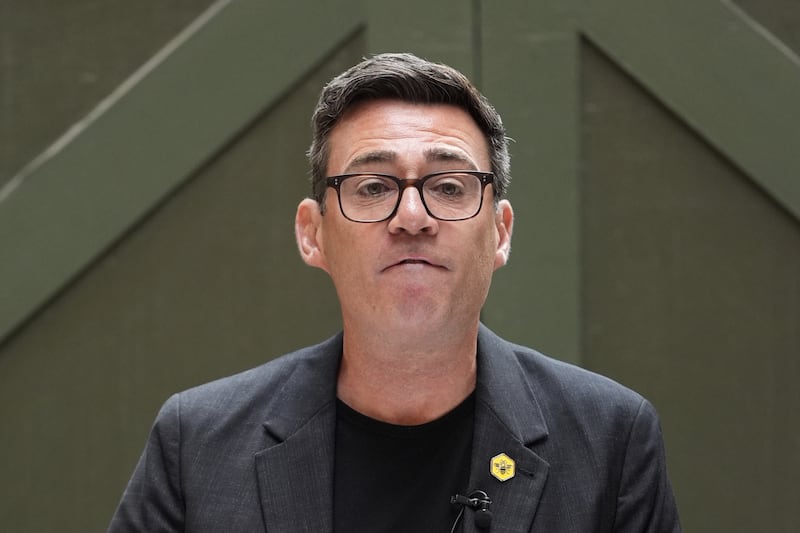 Andy Burnham said his plans for a No 10 North based in Manchester would rewire the British state (Peter Byrne/PA)
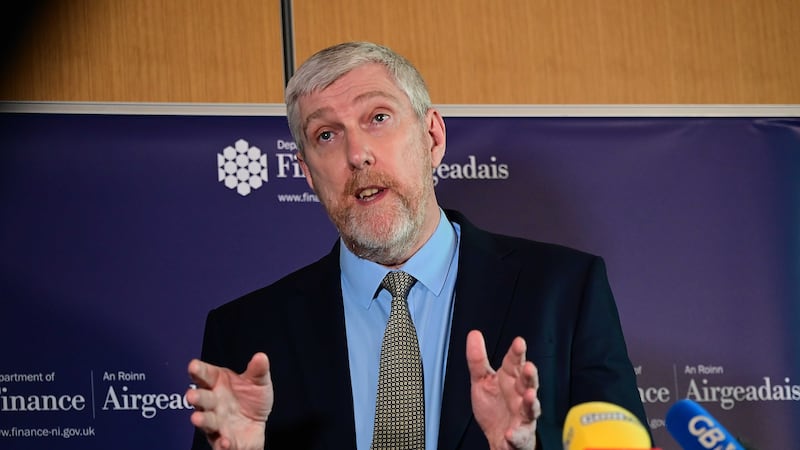
But in practice, distribution is also crucial, with a focus on place-shaping, building upon the innovation from research-intensive universities, and better mobilising all the talents.
At the heart of the keynote economic speech from Andy Burnham on Monday lies a commitment to the ‘biggest rebalancing of power’ and driving economic growth.
The specifics of what increased devolution would look like still need to emerge, and many questions arise from what has been said.
Further, given existing baselines of devolved powers, this would mean a different conversation for the English regions relative to Scotland, Wales, and Northern Ireland – each with their own particular devolved arrangements. And this region further operates within the all-island economic context.
Already in her 2026 MAIS lecture, current Chancellor of the Exchequer Rachel Reeves indicated a desire to incentivise growth within regions and for more of the proceeds of economic growth to be retained locally.
The Stormont Executive currently lacks the incentives to prioritise economic growth as the proceeds accrue to the Treasury in the form of enhanced tax receipts rather partially or fully retained locally.
For this region, this new beginning could amount to increased tax-varying powers, but possibilities around revenue sharing, or other powers and investments could also exist.
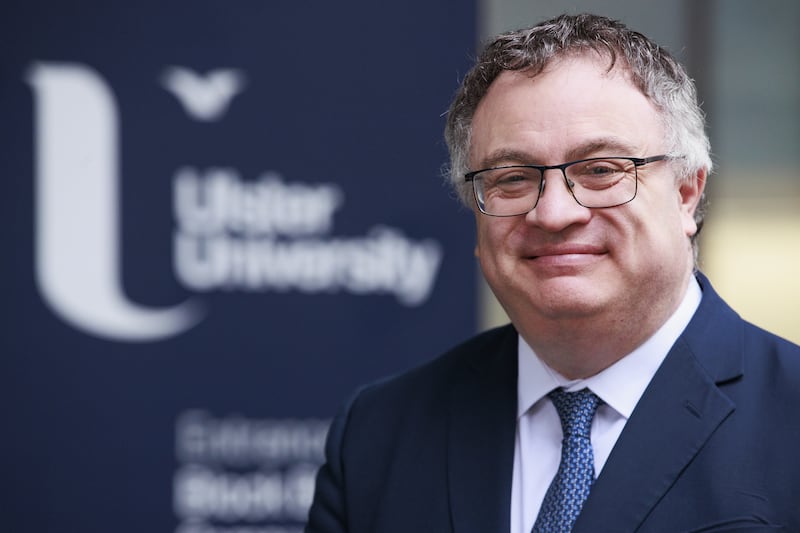 Stephen Farry, Professor of Strategic Policy in Practice at Ulster University (Liam McBurney/PA)
Northern Ireland needs its own economic plan. As part of that, there is an opening for the Executive to co-design with the business community a collective pitch to the new Burnham government on what a revised economic devolved settlement could contain.
Stephen Farry is a Professor of Strategic Policy in Practice at Ulster University