
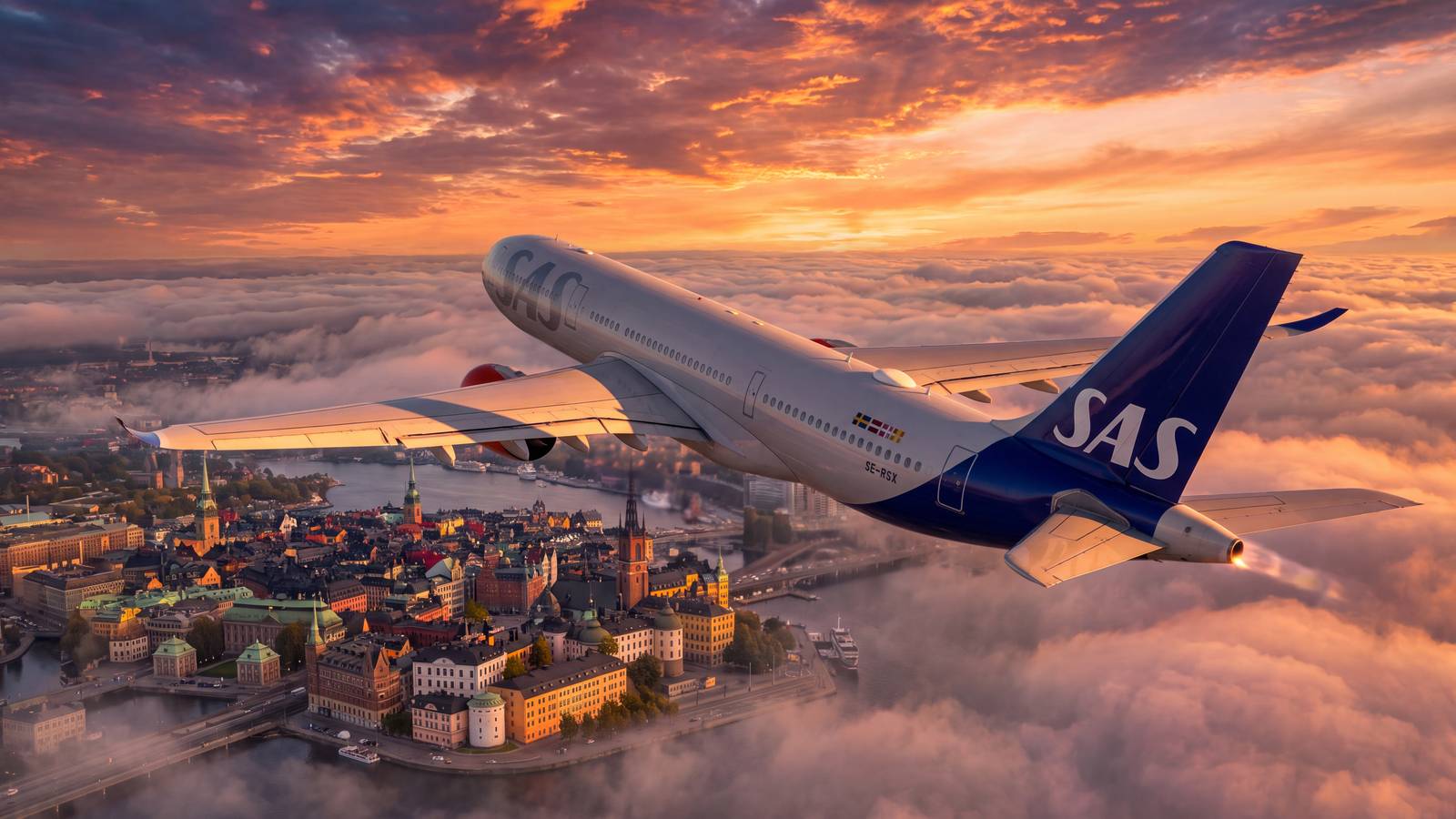
* Last Updated 06:05 EST 30/06/2026 by Jake Hardiman *
Scandinavian Airlines has announced the largest investment in the history of the company by shaking hands on a deal for as many as 40 of its widebody twinjets. The Airbus A330 family is the focus of this agreement, which features both the new A330-900 model from the A330neo series and the older A330-300 model from what is now known as the A330ceo series. The latter will support near-term growth, with the former pushing the total number of A330neo series orders past the 500 mark.
Such is the magnitude of the order that, in terms of list prices, the aircraft involved have a combined value of more than $10 billion. Of course, it is unlikely that  SAS will pay anywhere near this total, given that airlines almost always receive a hefty discount, especially when buying in bulk. Even so, the multi-billion-dollar deal is a clear sign that SAS is serious about taking its next steps forward.
Investing In The A330
Credit: Tom Boon | Simple Flying
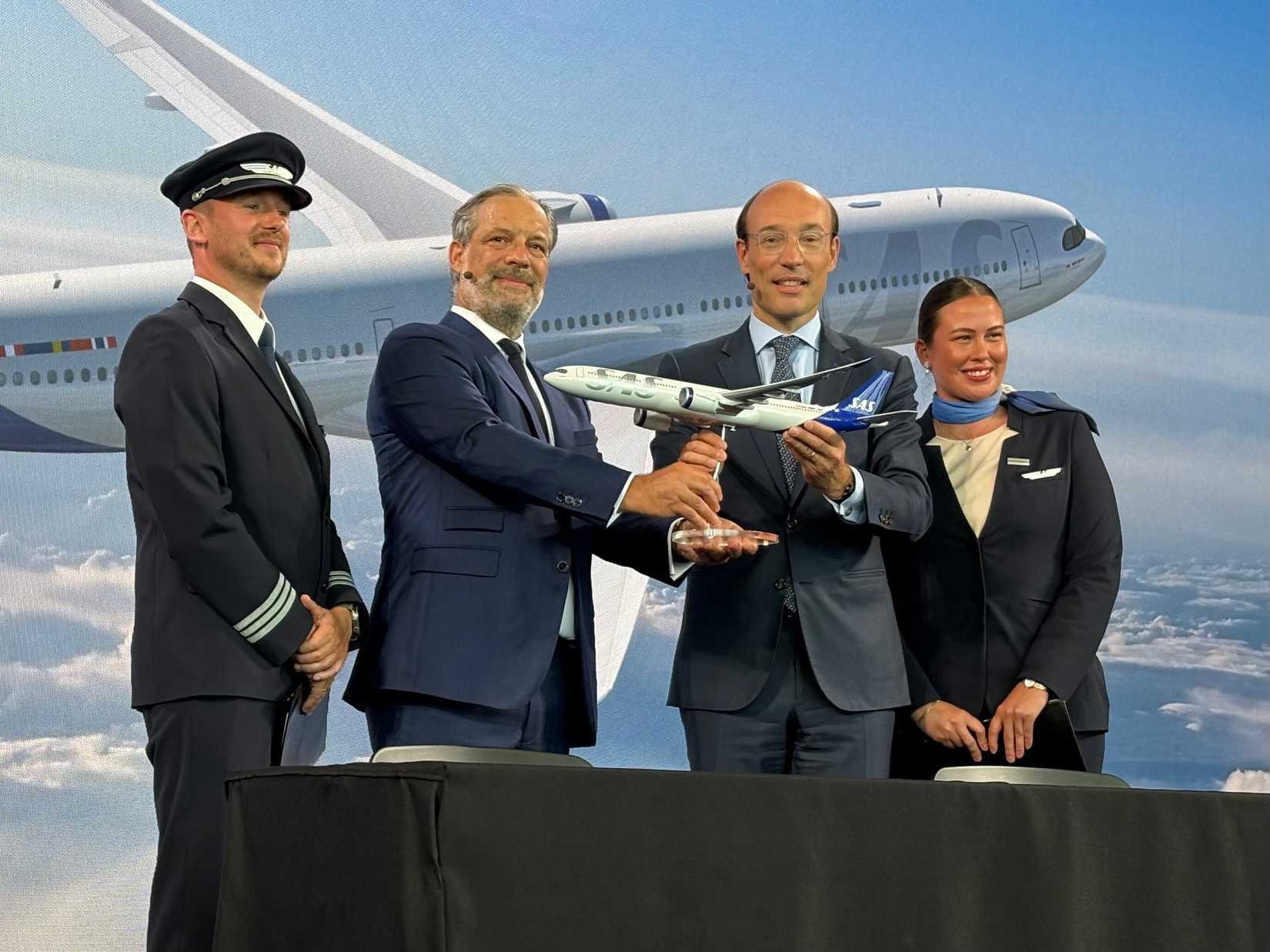
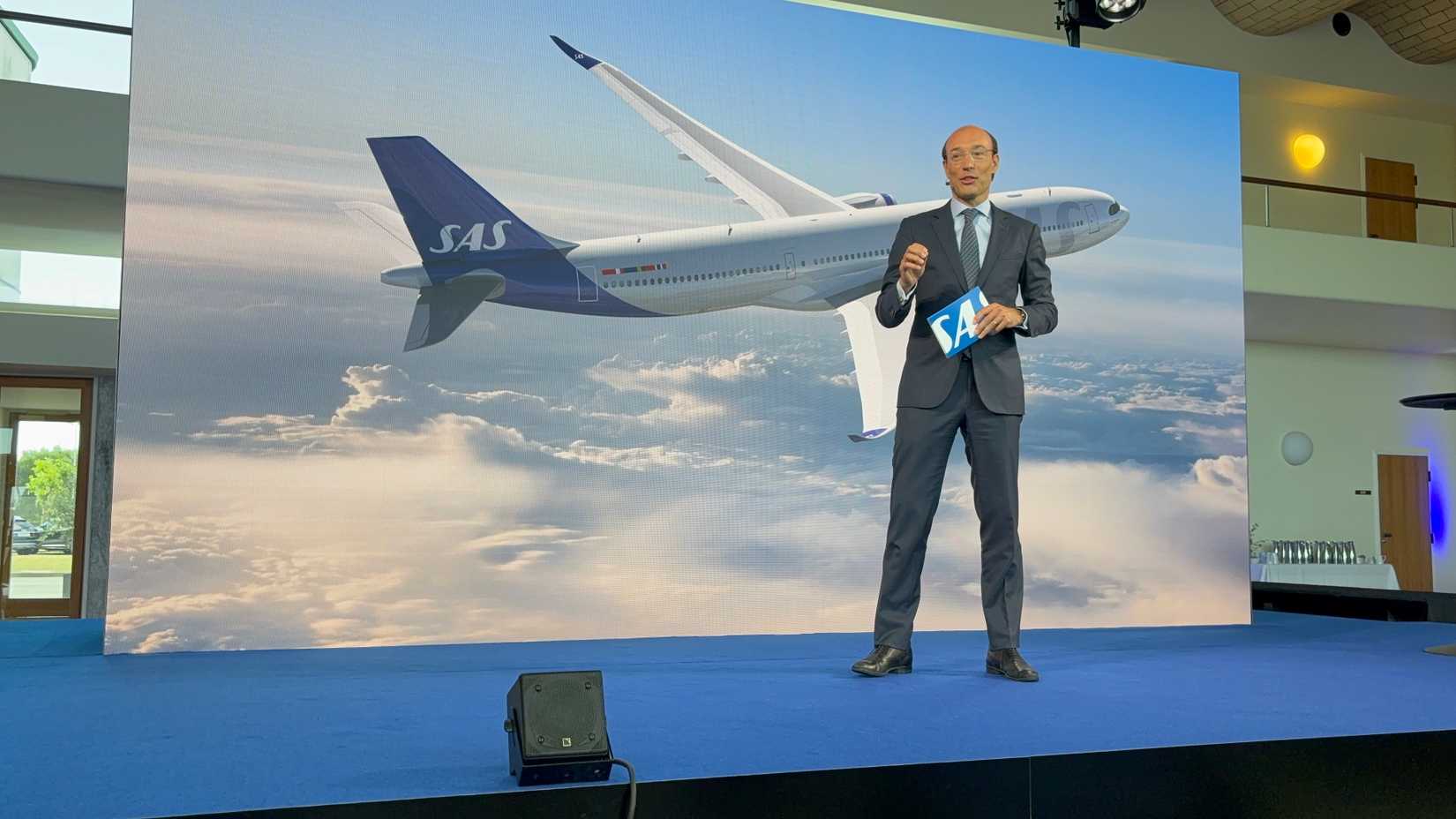
Just now, at a press conference in Copenhagen attended by Simple Flying, SAS confirmed that it had committed to adding up to 40 widebody twinjets from Airbus to its fleet. The deal, it explains, “combines new Airbus A330-900 aircraft with additional Airbus A330-300 aircraft secured to support near-term growth ahead of the arrival of the new fleet.” The A330-900 represents the bulk of the deal, with 18 firm orders and options for ten more, and 12 A330-300s make up the total.
Having placed an order last year for the Embraer E195-E2 regional jet and invested in renewing its Airbus A320neo fleet for short-haul ops, this latest commitment signifies SAS’s long-haul growth intentions. It says that it “supports the continued development of SAS’s long-haul network, enhancing the airline’s ability to connect Scandinavia with key international markets.” SAS CEO Anko van der Werff said:
“In a world where investment, talent, and opportunity move across borders, well-connected regions are best positioned to succeed. By investing in our future and strengthening our ability to connect Scandinavia with the world. (…) The world needs more Scandinavia.”
A Natural Fit
Credit: Shutterstock
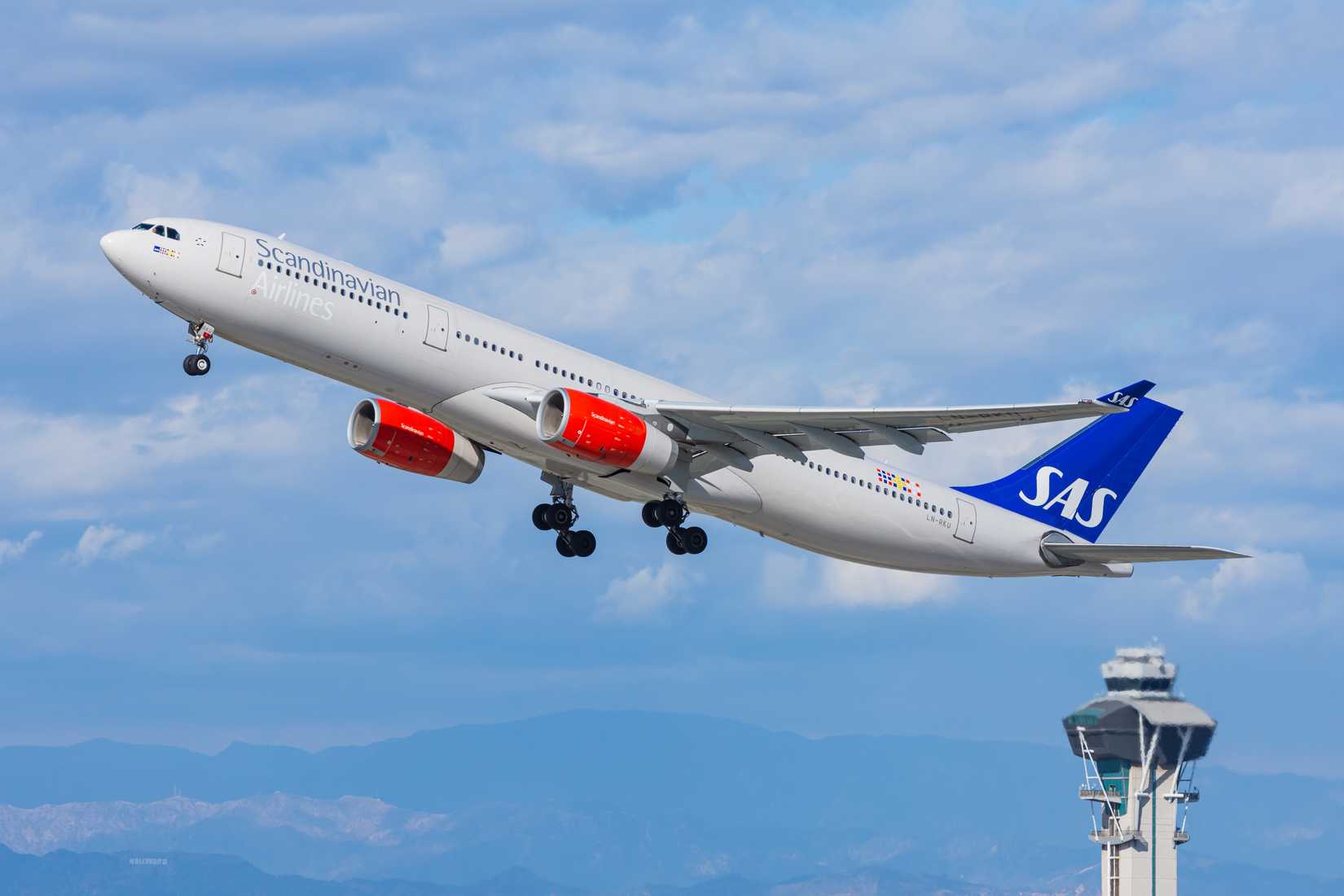
SAS is already very familiar with the Airbus A330 family of widebody twinjets. Indeed, fleet data made available by ch-aviation shows that the Danish, Norwegian, and Swedish flag carrier currently has eight units of the A330-300 model at its disposal, with an average age of 14.9 years old. This existing fleet will mean that the extra A330-300s that SAS has committed to in the short term will fit right in.
Indeed, the carrier says that these twin-aisle aircraft, which have a typical three-class capacity of 250-290 seats and a range of 6,350 NM (11,750 km), will already be “fully compatible with SAS’s existing Airbus operations.” Its fleet also acts as a strong foundation when it comes to integrating the new A330-900 jets, as these aircraft have “95% shared airframe parts” with their older counterparts at SAS.
While the Airbus A330-300 has served SAS well over the years, the A330-900 is set to represent a notable step forward in terms of both range and capacity. Specifically, the Nordic carrier says that the jet typically seats 287 to 303 passengers across three classes of travel, and boasts a range of 7,350 NM (13,600 km). SAS plans to configure its particular examples, which will arrive in the 2030s, with around 290 seats, making them almost interchangeable with its 300-seat A350s.
Related
Why SAS Is The Flag Carrier Of 3 Countries
The airline has close ties to the region of Scandinavia as a whole.
SAS Is Targeting Strong But Sustainable Growth
Credit: Tom Boon | Simple Flying
SAS confirmed at this morning’s press conference that it would be partnering with lessors Avolon and Bank of China Aviation in order to bring this deal to life. The carrier is confident that the growth that this fleet expansion is set to enable will have a positive impact beyond its immediate effects in the aviation sector. Indeed, SAS also used today’s announcement to present a report on economic growth.
Specifically, it asserts that “if SAS’s planned growth is realized, it will support an additional 25,000 jobs and contribute DKK 25 billion [$3.8 billion] to the GDP by 2030.” This growth is based around an expansion in Copenhagen, but its impacts will also be felt positively across Scandinavia. The airline also said today that it had “signed a Memorandum of Understanding with SkyKraft to explore the potential development of e-SAF as part of the long-term transition towards more sustainable aviation.”