
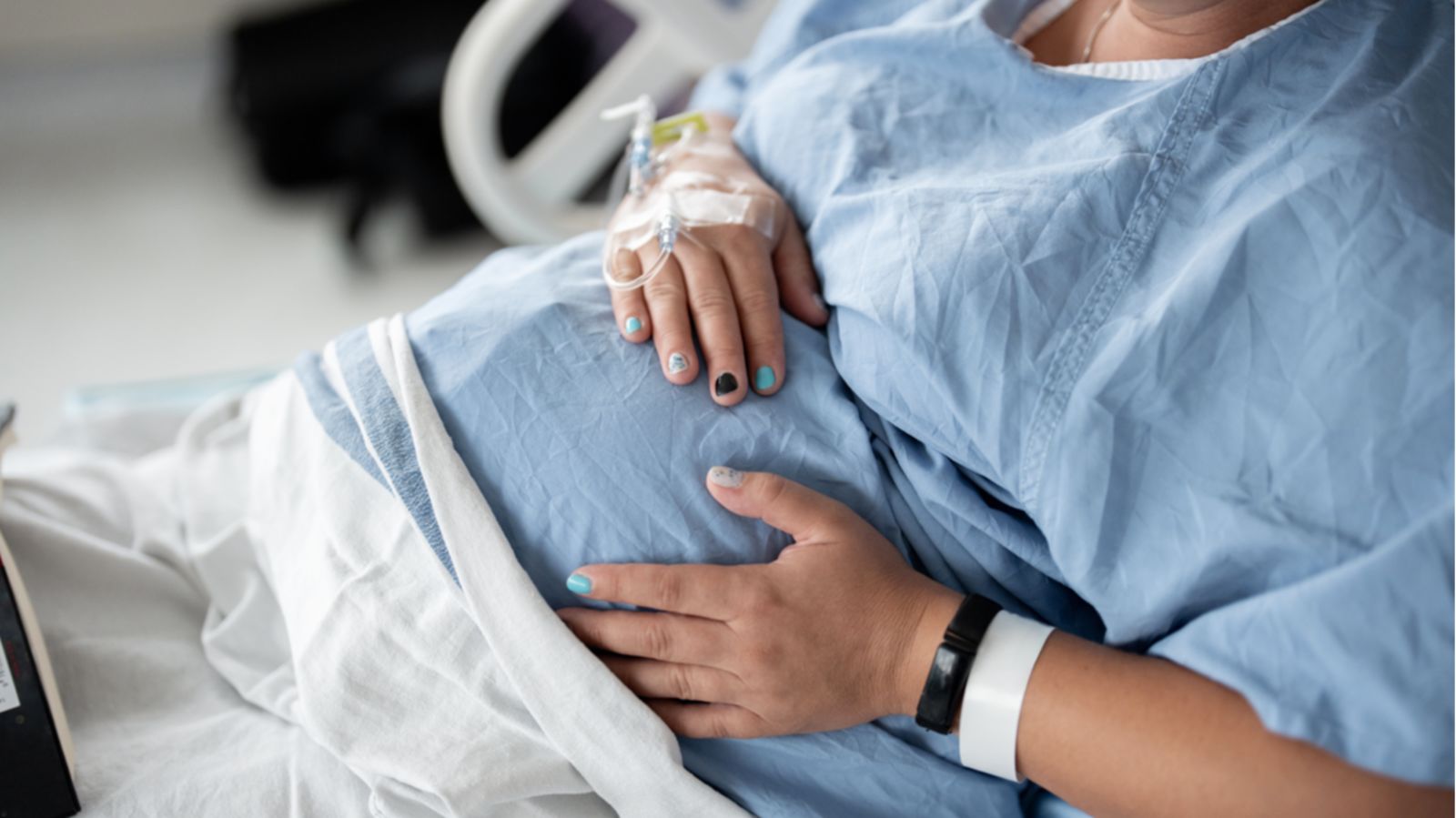
A major report into maternity care has found repeated failures in NHS services that have left families suffering, highlighting incidences of systemic racism and unsafe maternity care.
Health Secretary James Murray said it was a “watershed moment” and promised a “comprehensive action plan by the end of this year”.
Baroness Valerie Amos led the Independent National Maternity and Neonatal Investigation, and her final report was published on Tuesday.
The investigation spoke to 450 families and 12 NHS trusts about the “mistakes and inequalities” in maternity and neonatal care, and concluded a need for “urgent reform”.
It raised grave concerns around those giving birth “not being listened to, heard or believed”, with “serious consequences for the safety and quality of care they receive”.
Murray said that the report found that the system “is fragmented, overly complex and far too slow to learn.”
He confirmed that following the report’s conclusion that families have suffered from repeated failures in NHS care, the government will “appoint the first ever Maternity and Neonatal Commissioner”.
Amos said the new maternity commissioner must be accountable to Parliament and have a “relentless focus on improving maternity and neonatal care”, with the aim of redesigning the service.
This includes “clear minimum national standards for safety and putting in place effective governance and accountability.”
Additionally, the report found that services “are not designed in a way that ensures consistent safety”, with some patients stating that they had “not been able to give informed consent to medical procedures, due to poor communication and lack of information.”
Overall, the impact of “medical misogyny” was found throughout, “leading to an embedded culture in which women’s voices are ignored”.
The report also concluded that racism and structural inequalities are “embedded throughout the maternity and neonatal system, with profound implications for outcomes and the quality of care women and babies receive”.
The health secretary said this was “some of the starkest examples of racism, discrimination and inequality” and said, “we will make a start straight away by rapidly expanding the rollout of the Perinatal Equity and Anti-Discrimination Programme to every trust”.
Patients told of instances of discrimination, including “receiving unfair or unequal treatment, leading to delays, unsafe care with, at times, devastating outcomes.”
Some also noted stereotyping and racial slurs on NHS wards, Islamophobia, and antisemitism. One Muslim patient was asked, “why are you wearing this?” while a Jewish patient was told that “Jewish people are sneaky”.
Further to this, the report raises concerns about the treatment of staff working in the maternity sector.
According to the review, staff also experienced racism, “both from other staff and from women, birthing people and families”.
They told of working in poor-quality and sometimes dangerous clinical environments, “often working long shifts without breaks, in areas lacking appropriate spaces” for rest.
Amos has said that families should have the right to an independent investigation of their care when things go wrong, and they do not agree with the findings of internal NHS reviews.
Prime Minister Sir Keir Starmer and Baroness Valerie Amos.
Families who tried to get answers when harm occurred felt that internal investigation teams were “marking their own homework”, the report found.
There were also noted instances of “no investigation or review” being undertaken “because staff judged there to be no errors in the care provided”.
The report comes less than a week after an inquiry into Nottingham University Hospitals NHS Trust (NUH), led by senior midwife Donna Ockenden, found more than 500 mothers and babies suffered avoidable harm or died due to “deeply embedded systemic failures” at the “toxic” hospital trust.
Amos described hearing about “heartbreaking cases” and said the “emotional toll and cost to families is indescribable”.
She added: “Women, babies and families deserve maternity and neonatal care that is safe, compassionate and equitable wherever they live”.
The report said NHS trust boards must have clear oversight of how patients are triaged for care, including regular reviews of waiting times and performance.
Within a year, there should also be a national standard brought in for what good triage looks like, and all maternity units must also have dedicated triage staff, who are all trained in rapid assessment.
The report further said the government and regulators such as the General Medical Council (GMC) and the Nursing and Midwifery Council (NMC) must “treat racism, discrimination and inequality as a critical maternity safety issue”.
Subscribe for free to our weekly newsletter for exclusive and original coverage from ITV News. Direct to your inbox every Friday morning.
Shadow health secretary Stuart Andrew welcomed the government’s proposals and insisted that “families should not have to keep proving the scale of harm”.
He said: “Their testimony must now lead to action”.
The 12 NHS trusts reviewed as part of the Investigation are:
Barking, Havering and Redbridge University Hospitals NHS Trust
Blackpool Teaching Hospitals NHS Foundation Trust
Bradford Teaching Hospitals NHS Foundation Trust
East Kent Hospitals NHS Foundation Trust
Gloucestershire Hospitals NHS Foundation Trust
Oxford University Hospitals NHS Foundation Trust
Queen Elizabeth Hospital King’s Lynn NHS Foundation Trust
Sandwell and West Birmingham Hospitals NHS Trust
Somerset NHS Foundation Trust
University Hospitals of Leicester NHS Trust
University Hospitals of Morecambe Bay NHS Foundation Trust
University Hospitals Sussex NHS Foundation Trust
Want a quick and expert briefing on the biggest news stories? Listen to our latest podcasts to find out What You Need To Know…