
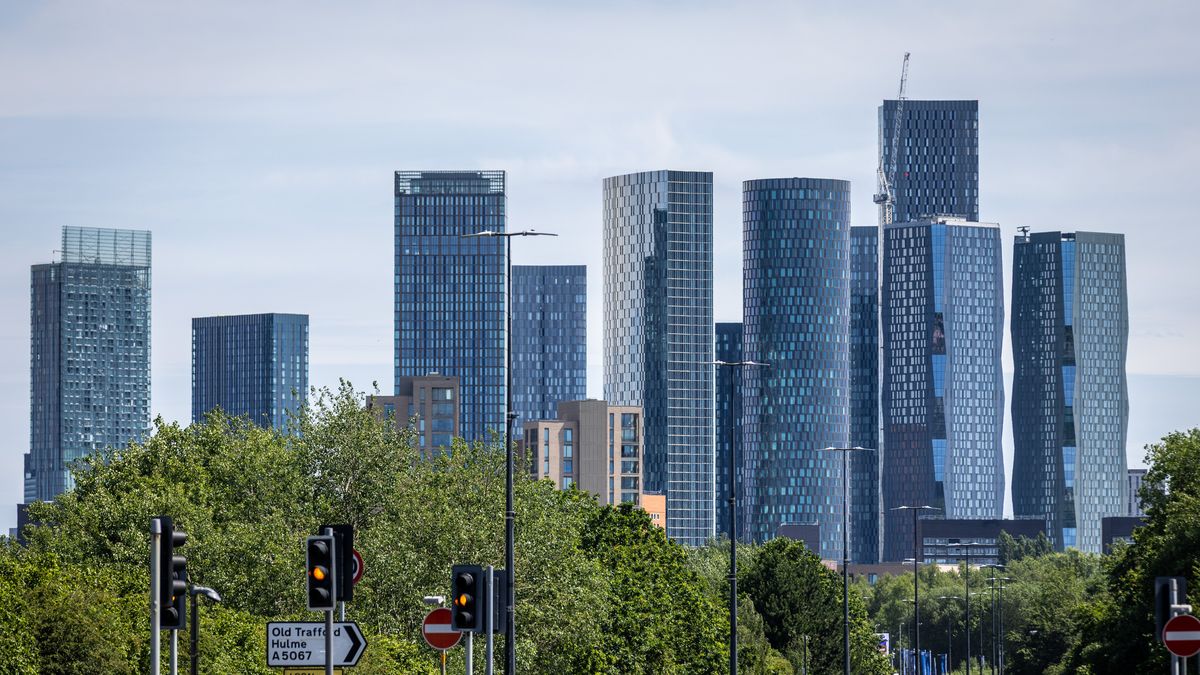
The city is booming – with a growing number of jobs and businesses.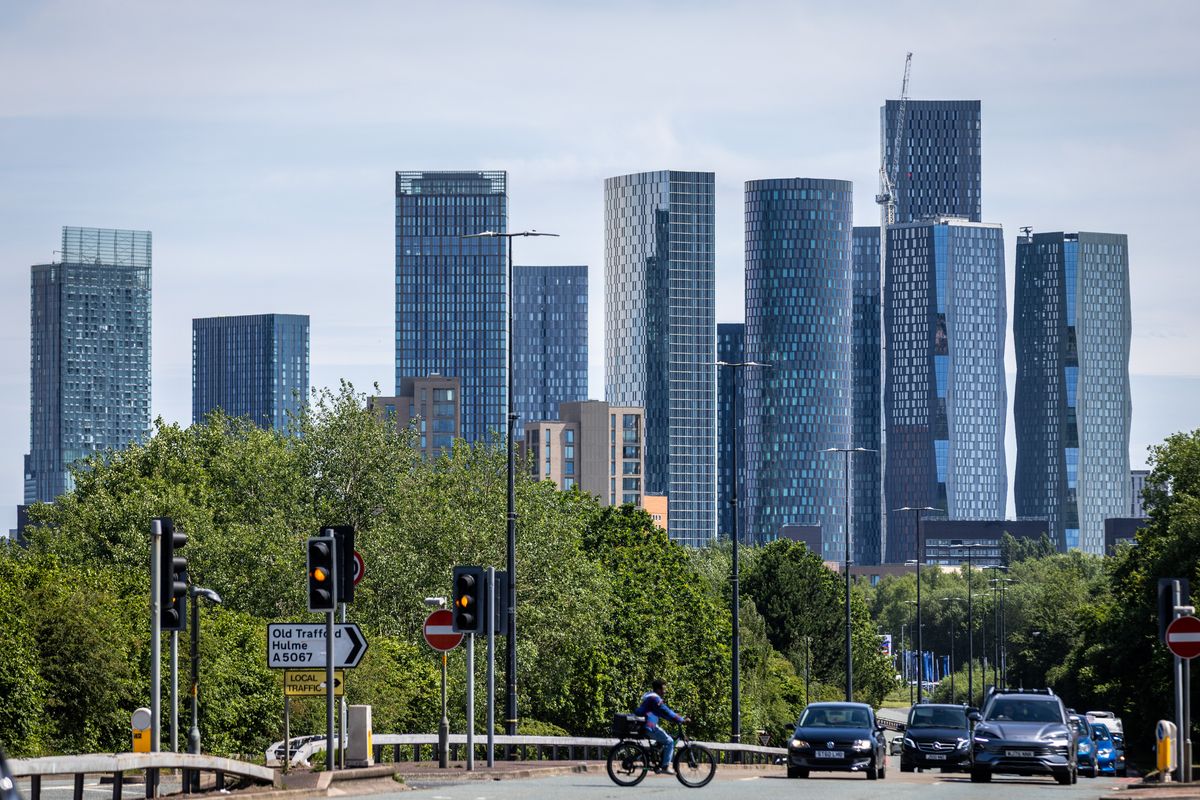
Manchester has seen major changes in the past few decades(Image: James Speakman/PA Wire)
Manchester is powering ahead of the rest of the country after a decade of major growth, new research has shown.
London-based think tank Centre for Cities said that Manchester’s economy grew faster than the rest of the country in the last decade.
Data showed the city’s economy grew by more than 34 per cent between 2013 and 2023, ahead of other ‘top performers’ such as Bristol, Leeds, and Newcastle.
Click here to get the biggest stories straight to your inbox in our Daily Newsletter
London’s economy grew by nearly 19 per cent in the same period, compared to the UK average growth at 18.4pc over the decade.
The data was measured by total gross value added (GVA) growth – the value of goods and services produced in the city.
Centre for Cities has shared a report about the growth of British cities in the last decade.
Manchester and the wider city region also recorded a 19.7 per cent increase in job growth according to the report, above the UK average of 13.9pc.
It comes as major new announcements by Andy Burnham could see a huge shift in how the country is run if he goes on to become Prime Minister, with a pledge for a ‘No 10 in the North’, which could be based in Manchester.
The Centre for Cities report stated: ‘There are encouraging signs, with places such as Leeds and Manchester seeing strong productivity growth in recent years, adding to a sense of growing momentum around their role in raising national living standards.’
However, the data also revealed some of the problems facing the country’s regions.
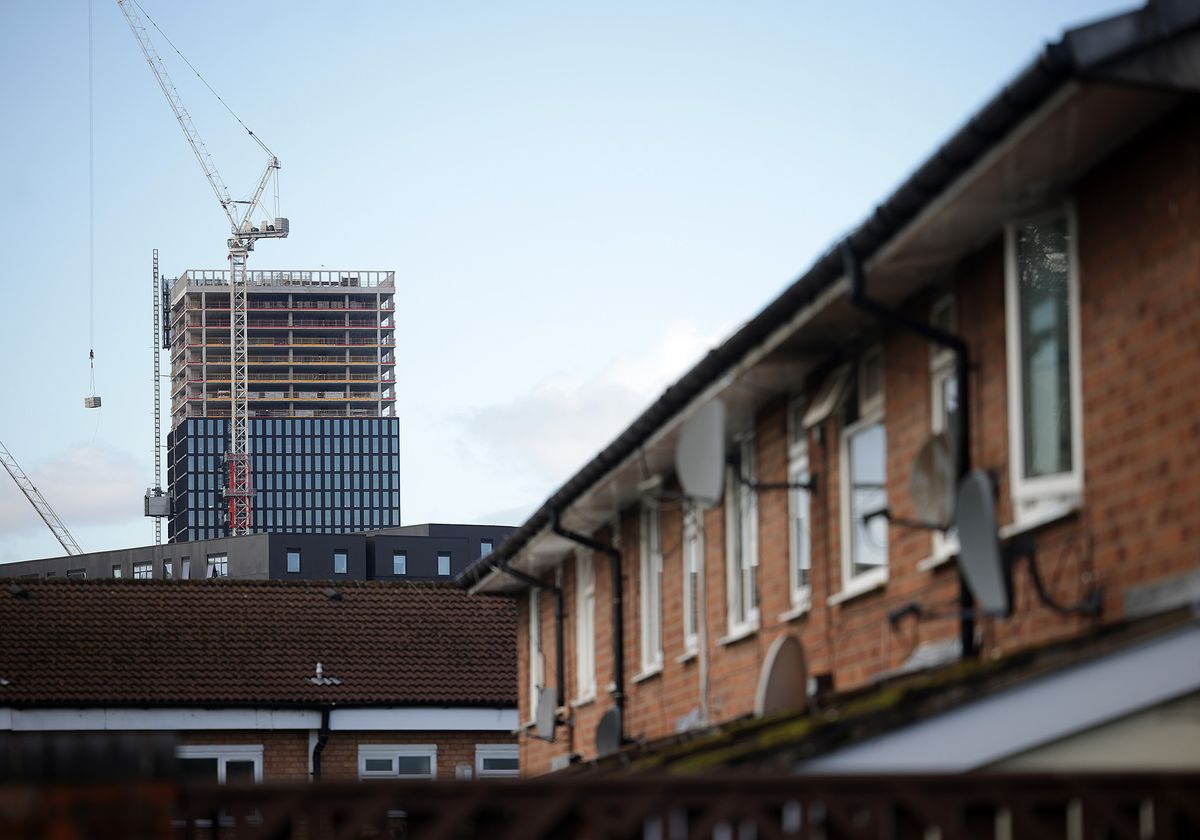
Housing density was highlighted in the report(Image: MEN)
The report continued: ‘Currently Manchester, Birmingham and Leeds have the largest ‘density gaps’ compared to their international peers, with estimated shortfalls of 231,000, 202,000 and 196,000 homes in their urban cores respectively.
‘Other big cities face smaller gaps. Bristol, for example, has a shortfall of around 18,800 homes, though still faces constraints on expanding its urban form.
‘Closing these gaps would require a significant increase in housebuilding, especially in the largest of the big cities.’
Manchester council said that its plan to boost employment is working in the city. Since adopting the plan, the employment rate in Manchester has increased to more than 75 per cent – a 6.4 per cent increase since July 2023, the council explained.
That’s alongside a 30 per cent rise in the number of businesses in Manchester since 2015, and the total number of businesses in the city had grown by around 900 in 2024/25.
Councillor Gavin White is the housing and regeneration lead at the council, and said: “Manchester has seen significant population growth in recent years, a testament to a global reputation and strong expansion across key sectors that have helped create tens of thousands of high-quality jobs in the last decade – helping to attract and retain a pool of world class talent.
“With this success comes high demand which is why we are helping to drive a strong supply of quality office space to support businesses to thrive and attract new global names to Manchester. While also creating a strong and diverse housing sector – including record numbers of social, council and genuinely affordable homes being built in every part of our city.
“But we also know that far too many households still face high levels of deprivation and it’s vital that we continue to convert economic growth into better living standards for our residents.
“It’s our vision to make sure that we can create pathways to great jobs, alongside investment in our communities and transport link, that makes sure that everyone living in Manchester has the opportunity to share in the city’s success.”