
Global electricity demand growth is set to outstrip GDP growth for the first time, signaling a major boon for metals key to the energy transition.
After a decade of stagnant power demand, the economy is undergoing a massive wave of electrification, Bank of America (BAC) metals strategists led by Michael Widmer wrote in a recent note to clients. Electricity demand is now expected to grow significantly faster than GDP for the next two and a half years.
 Electricity demand will grow faster than real GDP between 2026 and 2028, according to Bank of America. · BofA Global Research
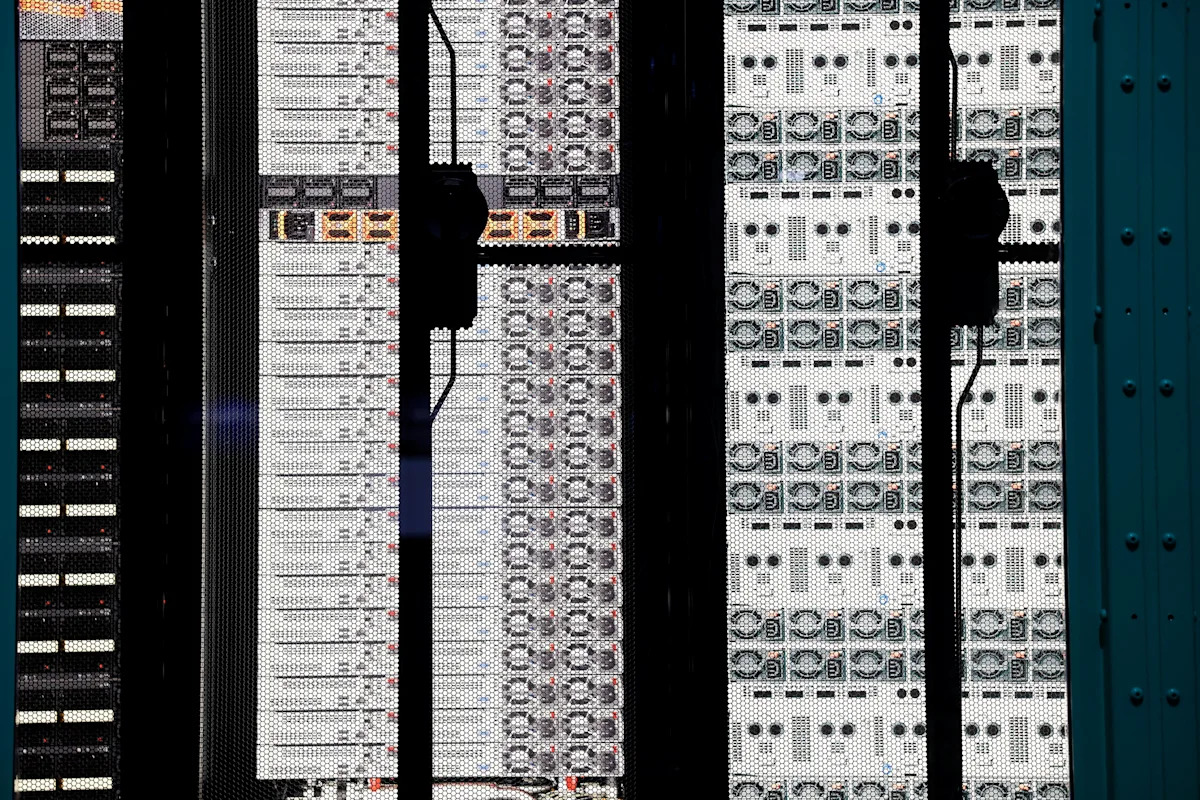
While the drive toward electrification originally kicked off with the mid-2010s push toward green technology, a series of new developments — namely EVs and the boom in AI data centers — has taken over. Global power usage by data centers is expected to grow from a current level of around 55 gigawatts to 84 gigawatts — equivalent to the power usage of roughly 70 million homes — in only the next two years, according to research from Goldman Sachs.
It’s all part of what economists have deemed the “HALO” trade: heavy assets, low obsolescence. The idea is that as the economy shifts forward, the physical manufacturing capacity of the AI industry and the push toward electrification will create a boom time for hard assets and the companies producing them.
While metals have experienced some whipsawing motion in their prices under the Trump administration’s shifting tariff policy, prices on copper (HG=F) — the leading industrial metal in terms of usage — are up 21% over the past year.
Prices on aluminum (ALI=F) are up 12%, while those on lithium (LTH=F) and cobalt, which are in smaller supply, have soared by roughly 150% and 85%, respectively.
New technologies such as data centers hit metals demand in two ways, according to the Bank of America strategists. Not only do data centers themselves require mined commodities such as copper, but the electricity needs of the infrastructure will force further build-outs of global power grids, all of which require substantial amounts of metals for wiring, transformers, and other components.
Governments have also begun to turn increasingly toward energy independence in the wake of the US tariff regime on metals and the war in Iran, which threatened global energy supply chains. As countries build out their own energy generation and storage capacity, BofA said, that too will boost metals demand.
 The electrification of the economy is set to boost metals demand, per Bank of America. Credit: Bank of America Global Research · Bank of America Global Research
Take copper, for example. Global demand for copper is now expected to surge from 28 million tons in 2025 to 42 million tons by 2040. Manufacturing EVs requires nearly three times as much copper as gasoline-powered cars, and solar and wind electricity generation equipment, which accounted for roughly 90% of the new generation capacity installed, also requires large amounts of copper, according to S&P Global.
Demand for the metal from data centers alone could reach 475,000 tons in 2026, up from 2025’s 110,000 tons, said Gregory Shearer, head of base and precious metals strategy at JPMorgan.
And that’s just one metal. The same dynamics play out in aluminum, nickel, zinc, tungsten, cobalt, and a host of other markets for metals critical to the energy transition.
“The global economy is changing rapidly, as governments around the world are electrifying energy supply,” the BofA strategists said. That transition, they said, “will not work without adding metals to the global economy.”
Jake Conley is a breaking news reporter covering US equities for Yahoo Finance. Follow him on X at @byjakeconley or email him at jake.conley@yahooinc.com.
Click here for in-depth analysis of the latest stock market news and events moving stock prices
Read the latest financial and business news from Yahoo Finance