
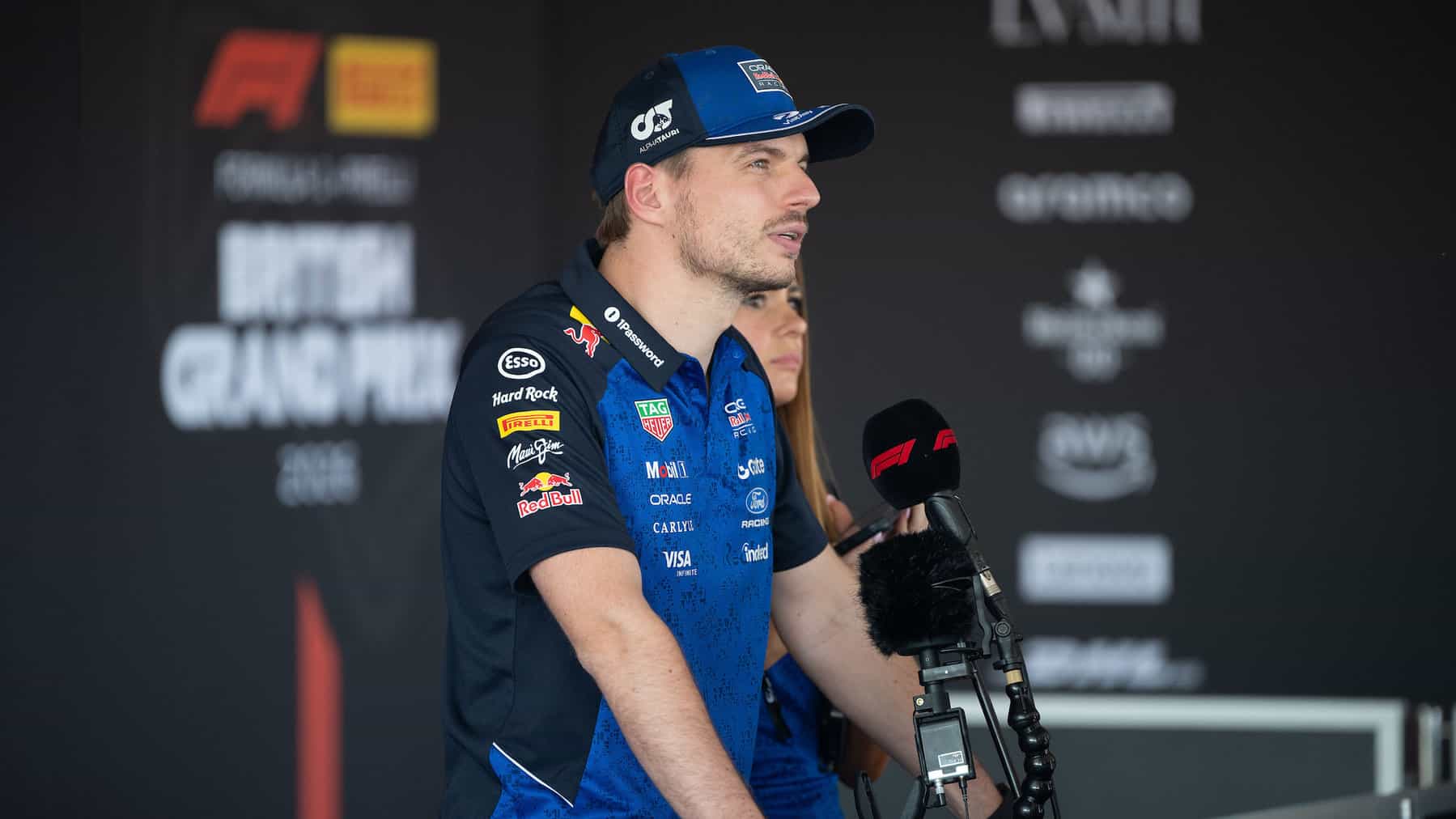
Max Verstappen can go where he likes in 2027 if he is not in the top two of the drivers’ championship by a stipulated post-summer date. I know that from a person who was instrumental in negotiating the contract. He’s almost certainly not going to be in the top two by then but that doesn’t necessarily mean he will be leaving Red Bull – only that he’d be contractually free to do so if he so chose.
But clearly the recent statements from his manager Raymond Vermuelen about Verstappen not being born to race in the midfield give credibility to the idea that he is at least keeping his options open about the future. Vermuelen also said that the spirit of Red Bull and Verstappen were a good match and that they’d like to continue their adventure together. The inference being, just not if it looks like Red Bull can no longer fight at the front.
So the major update the team brought to Austria last week just might determine the whole future trajectory of the team. The provisional signs were good, the car helping Verstappen to by far his most competitive race of the season to date, splitting the Mercs and keeping the pressure on race winner George Russell all the way.
Just how the car was so transformed from that which one race earlier had finished a very distant fifth, 40sec behind Lewis Hamilton’s winning Ferrari, was to do with the team’s latest aerodynamic breakthrough in understanding how to energise the underfloor airflow, particularly at low speeds in a way which made an increased rake angle feasible.
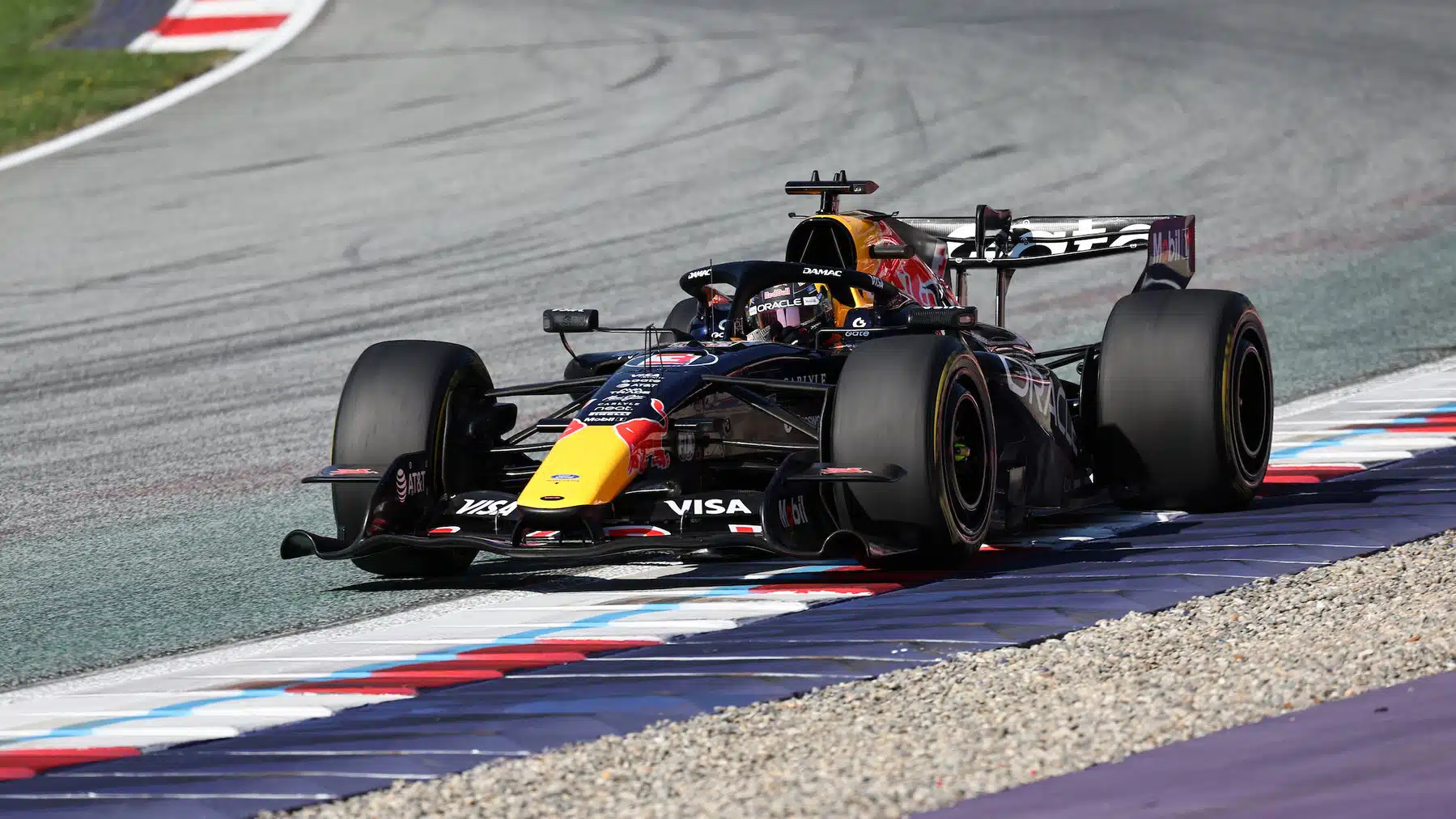
The Red Bull update in Austria put Verstappen among the frontrunners
Grand Prix Photo
This has become the battleground in the 2026 flat-bottom regs, and you see its visible signs in the ever-more complex array of slots and gaps in the floor edge ahead of the rear wheel of all the cars. They train the air which has flowed over the sidepod and along the floor edges and that which has been displaced by the air squirt of the rear tyre turning – and they feed it into the gap between the rear wheel and diffuser with the maximum possible energy. In that way, the diffuser becomes more effective in speeding up the underfloor airflow. Faster airflow there equals greater downforce.
Running with rake makes the whole area beneath the floor a big venturi, with a narrow aperture at the front expanding out into a bigger volume, reducing the air pressure and inducing the flow into moving faster. The problem with introducing ever-more rake to increase the effect is that at some point at low speed, when the rear ride height is at its greatest and the airflow speed its slowest, it all becomes detached and the effect is lost. The greater the airflow energy you can feed through those rear corner slots, the more you can delay the onset of the detachment and the greater rake angle you can run.