
Five gardening and landscaping experts all pointed to the same cheap, natural solution for tackling driveway weeds this summer – and you probably already have it in your kitchen cupboard
Talya Honebeek Content Editor – Spare Time
12:41, 05 Jul 2026
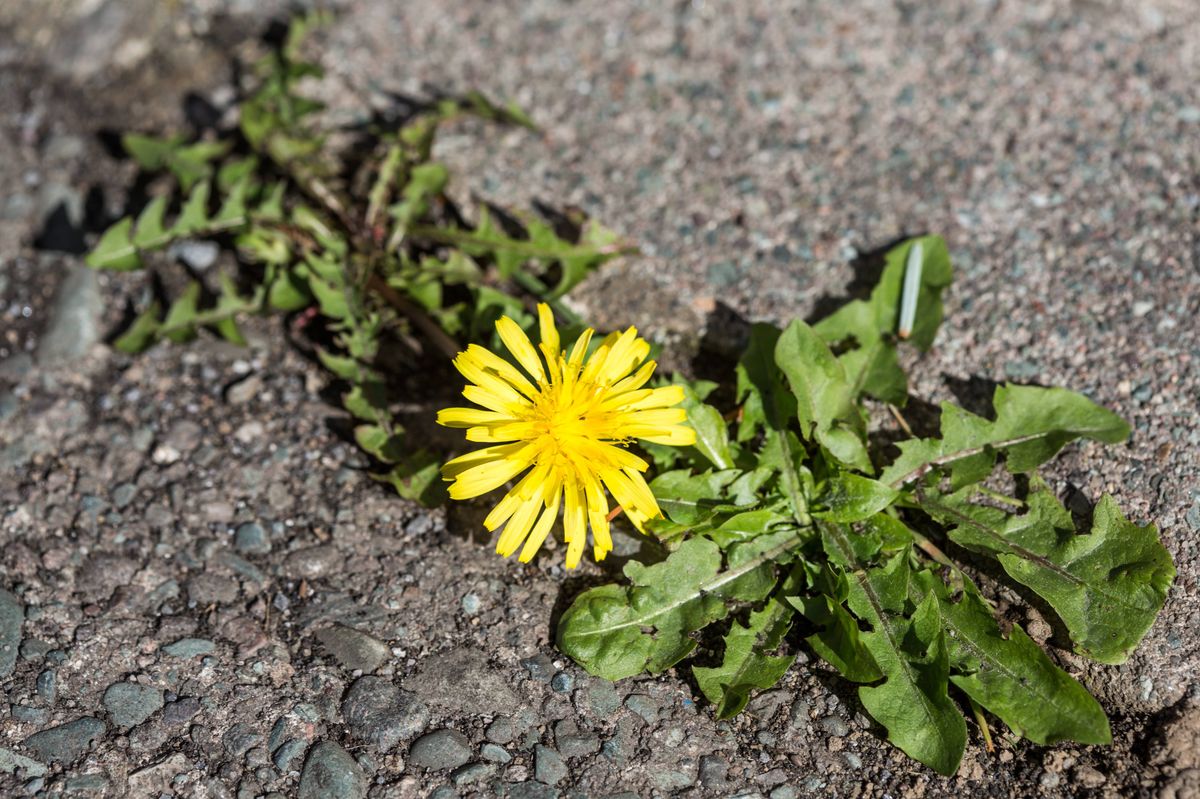
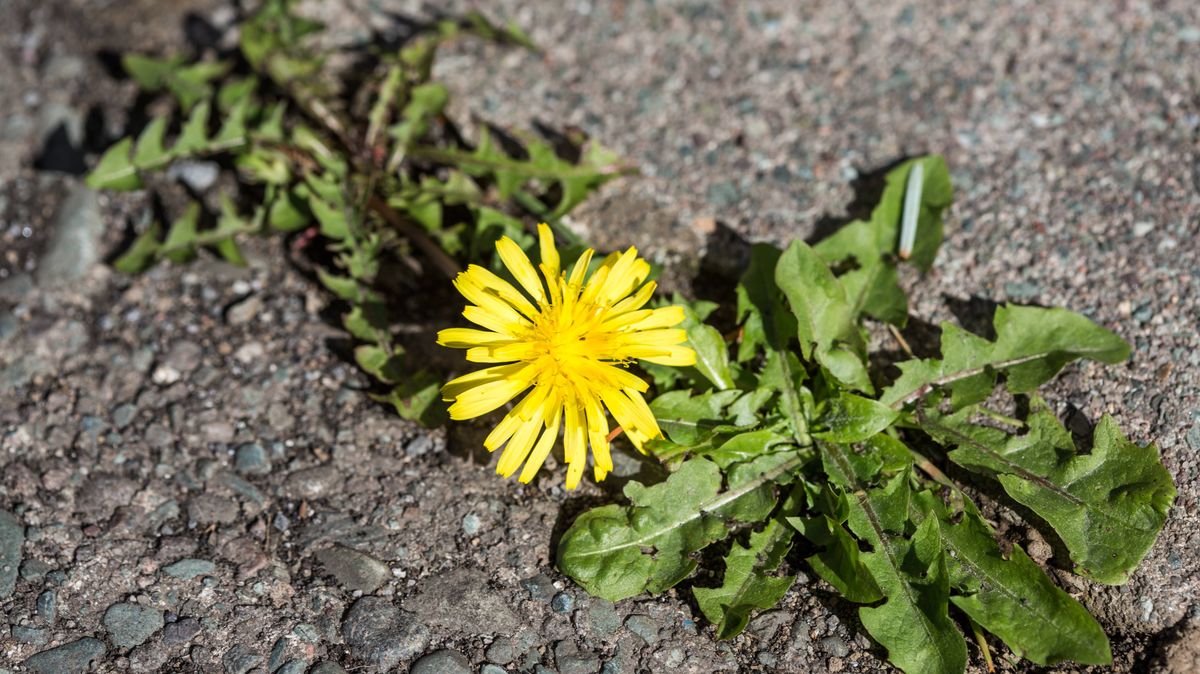
A cheap kitchen item can help you banish weeds on your patio or driveway(Image: © Helen Lawson via Getty Images)
With summer now in full swing, gardens are full of life. However, flowering plants, fruits and vegetables aren’t the only things flourishing as temperatures rise, as weeds also begin emerging.
Weeding may not be the most enjoyable gardening chore, but it’s one you need to stay on top of throughout spring and into summer, as they sprout up across lawns, patios and driveways alike.
A visit to any garden centre will reveal countless weed-control products, all claiming to eliminate weeds within 24 hours or prevent roots from re-establishing. Yet there’s no need to turn to costly chemical solutions when there are natural, more affordable alternatives available.
In fact, after consulting five gardening experts on the best way to tackle driveway weeds this spring and summer, they all pointed to the very same remedy.
Luke Newnes, garden expert at Hillarys, said: “Start with a good clear-out. I like to begin by pulling out any weeds that have already pushed through. If you can, get the whole root, especially with dandelions and plantain, because anything left behind tends to grow back stronger. A simple weeding tool or even an old screwdriver works wonders for getting between block paving.”
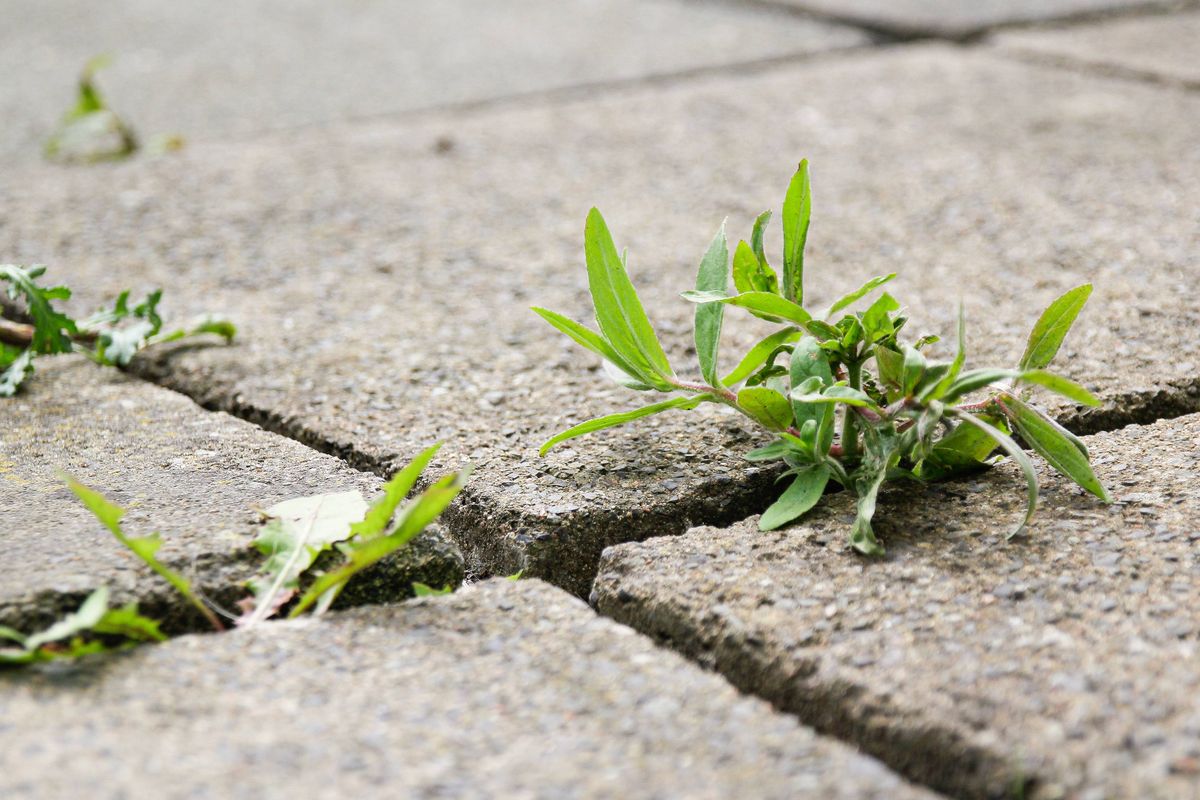
A cheap kitchen item can help you banish weeds on your patio or driveway(Image: Getty Images)
“Use a natural weed killer you probably already own. One of my favourite tricks is a mix of white vinegar, a little washing-up liquid and water. Spray it directly onto weeds on a dry, sunny day. The sun helps it work faster, and you’ll usually see them wilt within hours. It’s a simple, non-chemical option that’s great for quick wins.”
Andy McLaughlin, sales and operations director at RF Paving, recommended a comparable approach, with the initial step being to remove as much of the weed as possible by hand, before treating the affected area with either vinegar, boiling water or salt.
“Mixing vinegar that has an acetic acid content between 5% and 20% with some washing-up liquid helps the liquid adhere to the roots of the weed for more effective results,” he said. “Simply spritz directly onto the weeds, making sure not to get any solution on any plants nearby, as the vinegar could cause them to deteriorate.
“For the best results, try adding this solution to your gardening routine, or at least every two weeks, to ensure the weeds have gone completely.”
For those without vinegar at home, Andy suggested that weeds can be tackled using nothing more than boiling water. Pour it directly onto the unwanted plants, ensuring you take appropriate precautions by wearing gloves and any other necessary protective equipment.
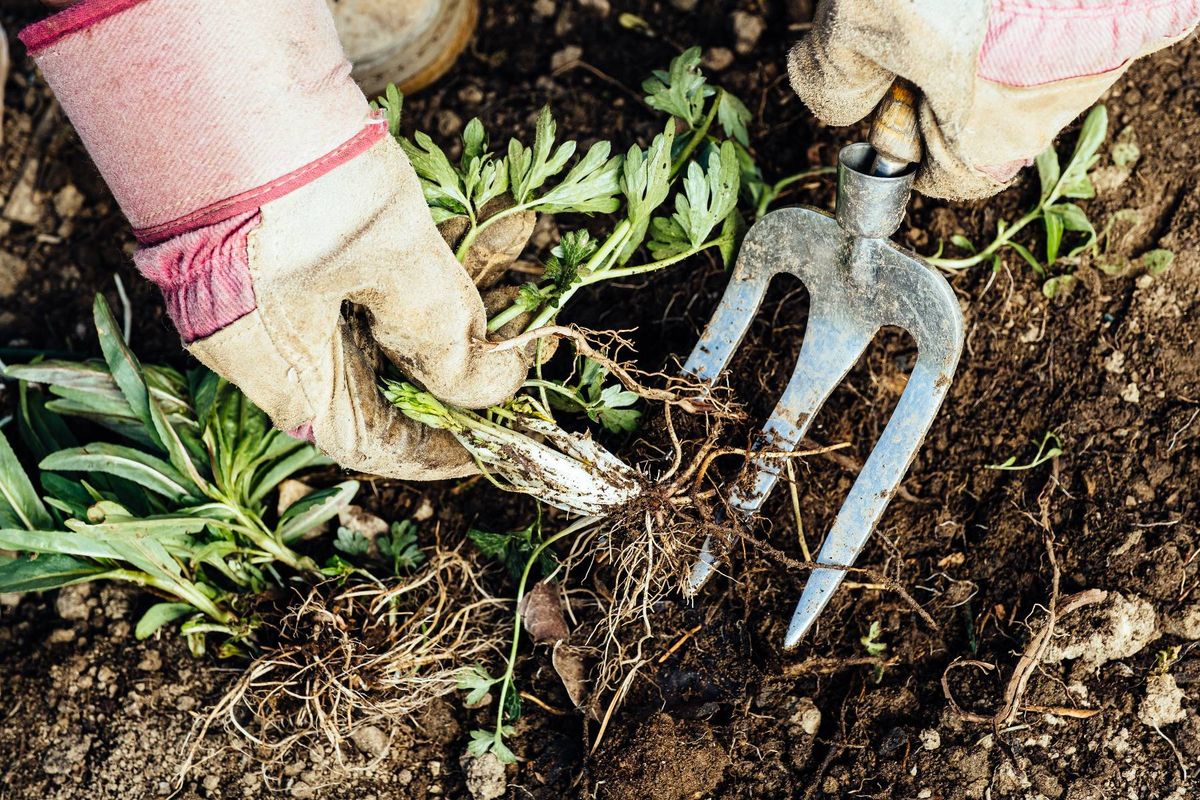
It can be annoying having to remove garden weeds(Image: Getty Images)
Pouring boiling water over weeds will initially remove them from the surface, but it proves ineffective at destroying the root, meaning the weed will more than likely return over time. For more stubborn weeds, you can apply this same technique, but with salt added.
Andy recommended diluting one part table salt with two to three parts water, as using excessive salt could harm the soil surrounding the affected area. The salt draws moisture out of the weeds, causing them to wilt and ultimately perish.
Care should be exercised when applying salt around paving, as repeated use, particularly on natural stone, can compromise the structural integrity of the surface, while also causing discolouration and even erosion.
Jessica Mercer, horticulturist at Plant Addicts, said: “If the driveway weeds are small and scattered, I pull them after rain (or after I’ve hosed the area) because the roots slide out instead of snapping off. For tiny weeds in cracks, boiling water works well. Pour slowly so it soaks the base, and plan to repeat it on anything with a deep taproot.
“Vinegar can also help on weed seedlings, but the concentrated vinegars can be pricey and should be applied wearing eye protection. Do not spray vinegar near garden plants, since it can damage any leafy growth.”
Ward Dilmore, founder and head landscape designer at Petrus Landscaping, said: “Vinegar is a great natural weed killer that is cheap, widely available, and non toxic and safe to handle.
“Vinegar and other natural weed killers work best when the weather is hot and sunny. Cold weather is less stressful on plants and can help weeds survive a dose of natural weed killer application.
“Vinegar and salt water mixes are also available online as a natural weed killer. Again, this is a good option for an area with no other surrounding plant material since salt is very toxic to plants and will stick around in soil for quite some time. Boiling water is another easy natural option for driveway weeds that can be applied with caution.”
Liam Sharkey, home expert at HomeServe, said: “For a quick fix, boiling water poured directly onto weeds kills them on contact. It’s free, easy, and perfectly safe around pets and children. White vinegar at cleaning strength is another good option, especially when applied on a sunny day.”
Regarding stopping weeds from coming back, Luke Newnes stated: “It really does help It sounds basic, but a regular sweep keeps seeds, debris and moisture from settling. Weeds love compacted dirt and damp joints, so keeping the surface clear gives them fewer places to anchor themselves.
“Re-sand your driveway joints If you’ve got block paving, topping up the kiln-dried sand between the bricks makes a huge difference. Weeds hate tight spaces, and fresh sand helps block the light that encourages new growth. I see people skip this step all the time, and it’s one of the simplest ways to prevent weeds long term.”