
Your support helps us to tell the story
From reproductive rights to climate change to Big Tech, The Independent is on the ground when the story is developing. Whether it’s investigating the financials of Elon Musk’s pro-Trump PAC or producing our latest documentary, ‘The A Word’, which shines a light on the American women fighting for reproductive rights, we know how important it is to parse out the facts from the messaging.
At such a critical moment in US history, we need reporters on the ground. Your donation allows us to keep sending journalists to speak to both sides of the story.
The Independent is trusted by Americans across the entire political spectrum. And unlike many other quality news outlets, we choose not to lock Americans out of our reporting and analysis with paywalls. We believe quality journalism should be available to everyone, paid for by those who can afford it.
Your support makes all the difference.Read more
Planned Parenthood and two smaller regional abortion providers have reinstated Medicaid billing for non-abortion services, nearly a year after funding was cut.
The defunding, mandated by President Donald Trump’s tax and policy law last year, has been linked to the closure of numerous clinics and a reduction in vital health screenings, including breast cancer checks and sexually transmitted infection tests for Planned Parenthood patients.
Medicaid billing resumed on Sunday. However, this restored funding does not signal an end to the ongoing federal debate over abortion policy, nor does it guarantee the return of all services that were previously curtailed.
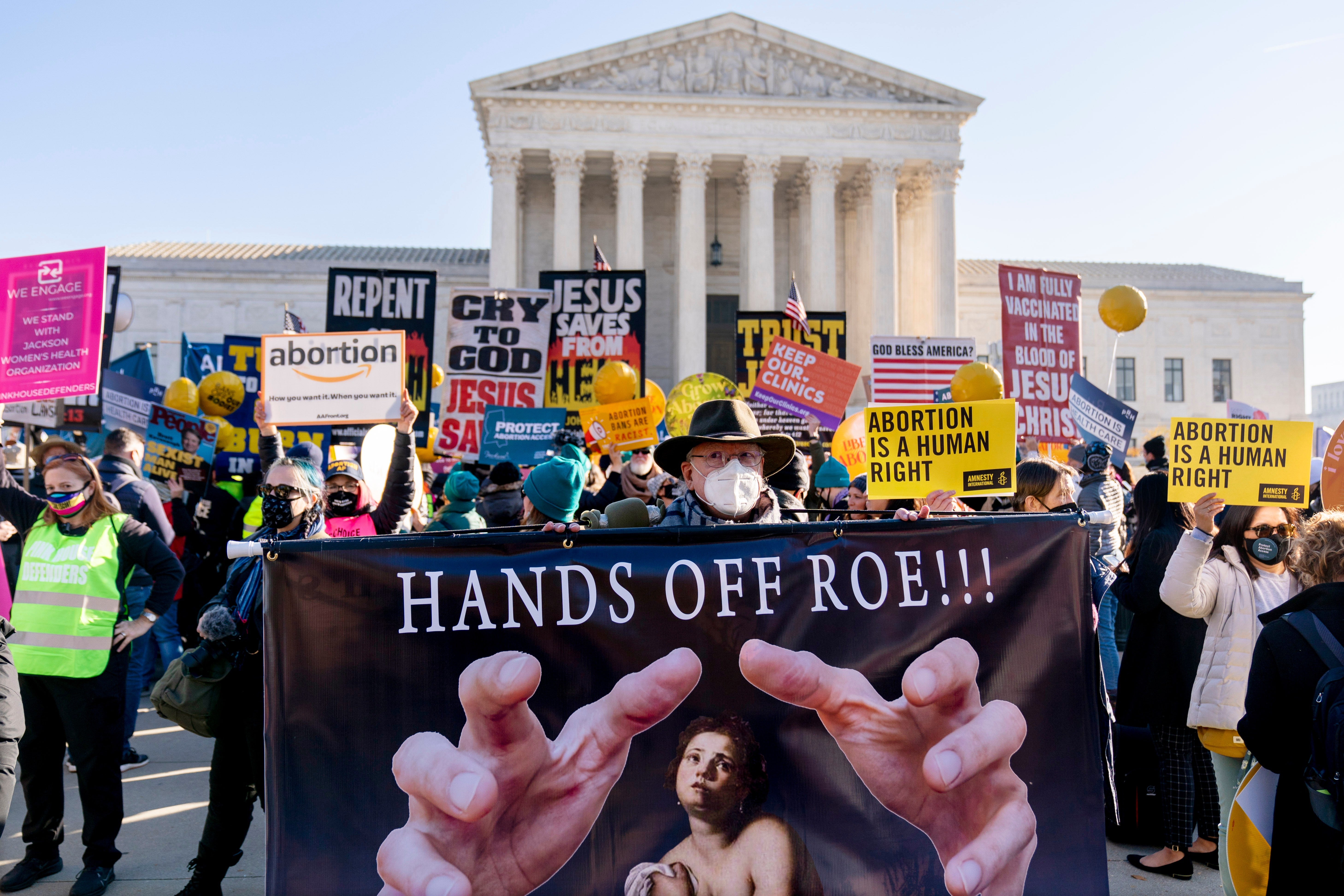 Stephen Parlato of Boulder, Colo., holds a sign that reads “Hands Off Roe!!!” as abortion rights advocates and anti-abortion protesters demonstrate in front of the U.S. Supreme Court (Copyright 2021 The Associated Press. All rights reserved)
Planned Parenthood faced closures and fewer patients
Many abortion providers, including Planned Parenthood affiliates, have grappled with financial difficulties since the 2022 Supreme Court decision that overturned Roe v. Wade, allowing states to enforce abortion bans. Clinics have closed in states with and without such restrictions.
Planned Parenthood reports that its affiliates have shut down nearly 30 of its approximately 600 clinics over the past year, citing the funding change as a primary cause. During this period, affiliates dispensed about 25 percent fewer packs of birth control pills and conducted roughly 20 percent fewer breast cancer exams compared to the previous year.
The organization stated that many patients, particularly in areas with limited access to healthcare, may have gone entirely without care due to the defunding.
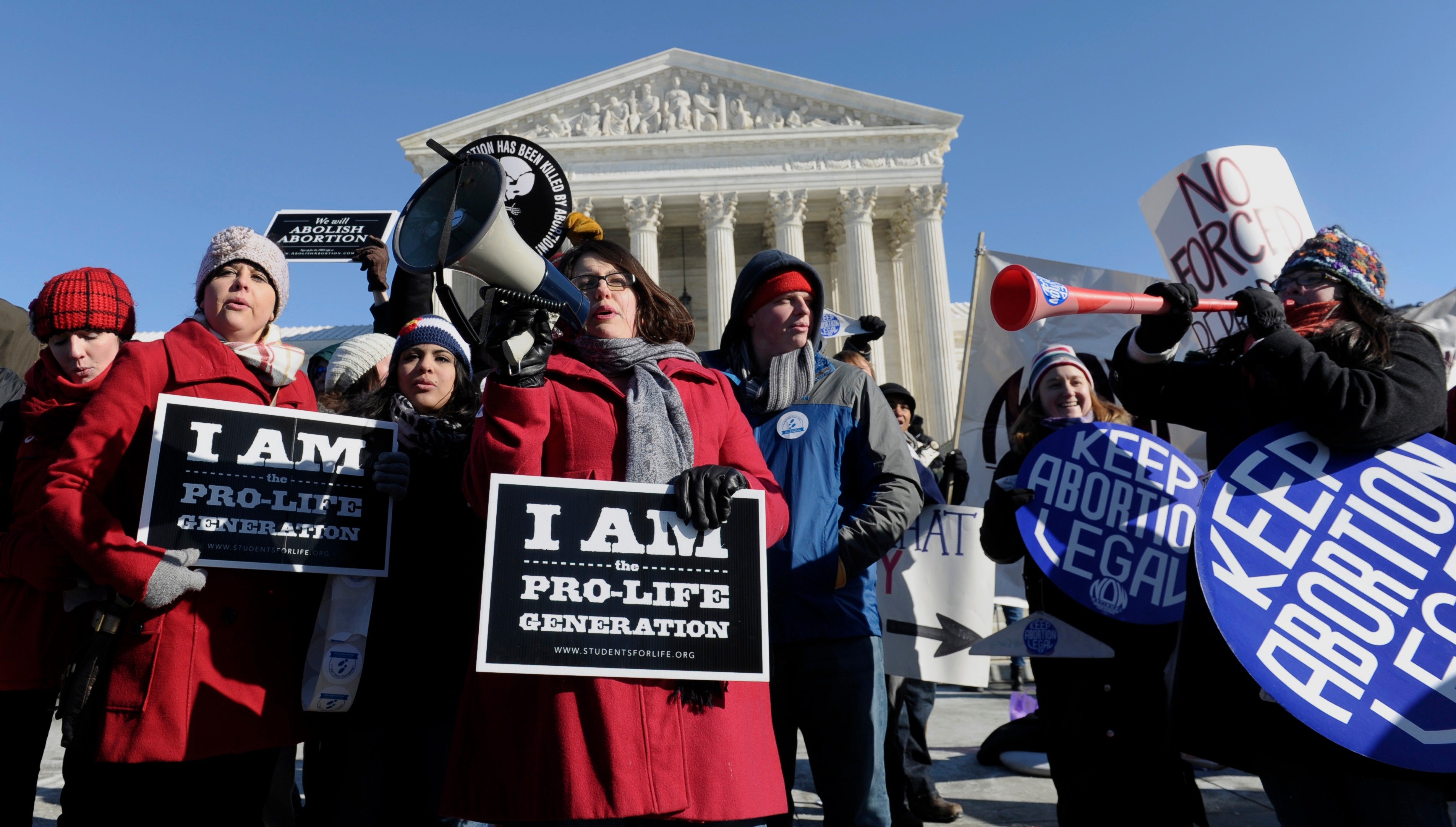 Pro-abortion and anti-abortion protestors rally outside the Supreme Court in Washington (Copyright 2026 The Associated Press. All rights reserved.)
Angela Vasquez-Giroux, a spokesperson for Planned Parenthood Action Fund, noted that the cuts also restricted abortion access in some regions. Planned Parenthood of Wisconsin temporarily halted abortions for about a month before dropping its “essential community provider” status to resume seeking reimbursement.
Similarly, the Arizona affiliate paused many services for Medicaid-covered patients.
Smaller providers also impacted
The defunding provision also affected two other healthcare providers that met the legal criteria: nonprofit family planning organizations that offered abortion services and received over \$800,000 annually in Medicaid reimbursements. Their experiences varied significantly.
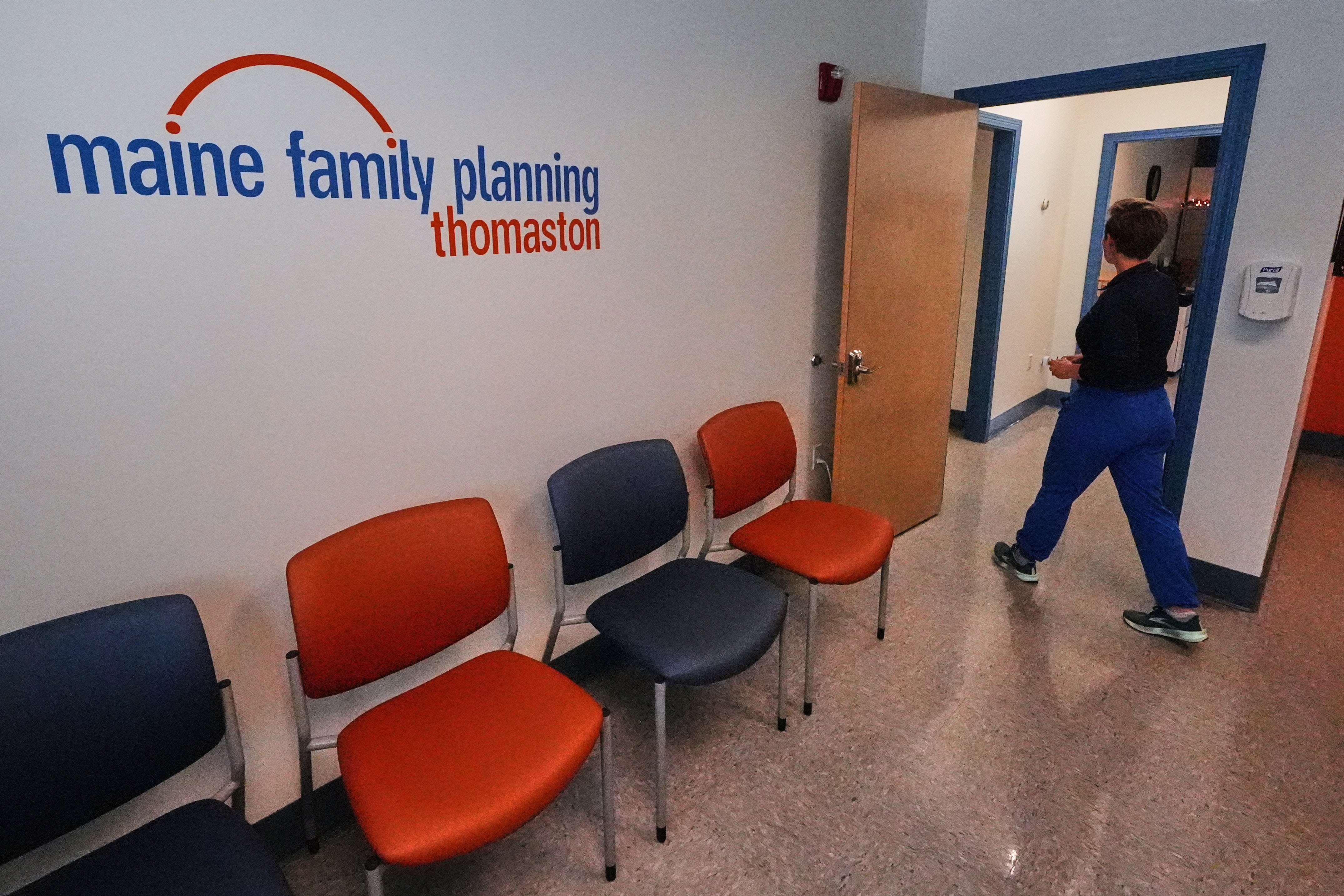 Vanessa Shields-Haas, a nurse practitioner, walks from the lobby toward the examination rooms at the Maine Family Planning healthcare facility (Copyright 2025 The Associated Press. All rights reserved)
Maine Family Planning closed three primary care clinics that served approximately 1,000 patients in the largely rural state. Evelyn Kieltyka, a senior vice president of program services, stated on Monday that even with assistance, former patients faced an average wait of four to six months to establish care with new providers.
Meanwhile, the number of abortions provided by the group remained steady, as Maine is one of several states where state-funded Medicaid covers abortion.
Patients at Health Imperatives in Massachusetts may not have noticed the change, as no services were dropped. The state government covered Medicaid reimbursements that the federal government ceased, a situation Planned Parenthood says occurred in some form in 14 states.
 Melinda Gates has donated to clinics such as Health Imperatives in Massachusetts (AFP via Getty Images)
Additionally, the clinic system received a grant from Melinda Gates’s foundation.
Some services return, others may not
Planned Parenthood’s Arizona affiliate has already announced expanded hours and more telehealth options, directly linked to its renewed ability to bill Medicaid.
However, some services are unlikely to be restored. Kieltyka confirmed that Maine Family Planning does not plan to reopen its primary care practices. “When you close something down and you lose positions,” she said, “it’s very difficult to bring that back and build it back up again.”
 The defunding, which was mandated in President Donald Trump’s big tax and policy law last year, has been blamed in the closure of multiple clinics (PA Wire)
Michelle Quesada, vice president of communications, brand, and marketing for the Planned Parenthood affiliate in Florida, indicated that a closed clinic in Lakeland is not expected to reopen, partly due to concerns that Congress or the Trump administration could again cut Medicaid reimbursements for the organization.
“There’s no telling with this uncertainty,” she said. “It’s like a yo-yo effect.”
Abortion opponents seek renewed defunding
The political battle over funding is far from over. Abortion opponents are actively lobbying Congress to adopt another defunding policy.
“They’ve defunded Big Abortion before,” Kelsey Pritchard, a spokesperson for Susan B. Anthony Pro-Life America, said Monday, “and they should do everything in their power to do it again.” Planned Parenthood argues that general election voters do not support defunding the organization, while Pritchard contends that Republican primary voters do.