
South London and Maudsley (SLaM) NHS Foundation Trust revealed what changes it plans to make after it was downgraded from ‘Good’ to ‘Requires Improvement’ by the Care Quality Commission (CQC) earlier this year.
It comes after inspectors uncovered a string of issues including; high waiting times, poor working relationships and concerns over workplace culture and trust.
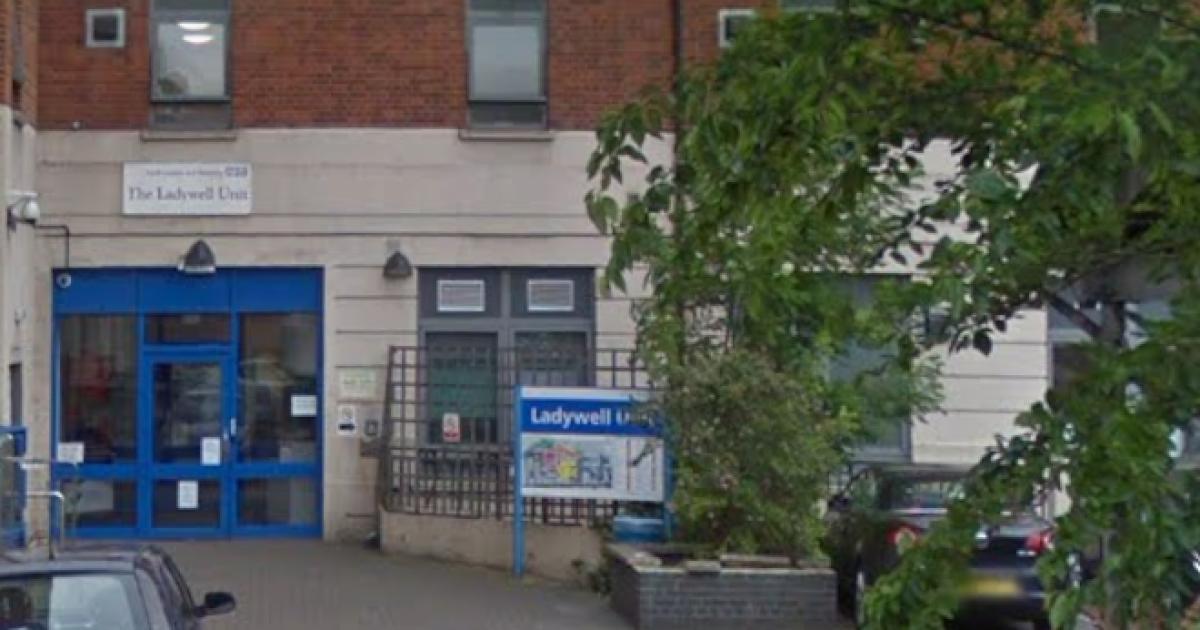
The trust provides care and treatment for a population of around 1.3 million people and its main sites are Maudsley Hospital, Bethlam Hospital, Lambeth Hospital and the Ladywell Unit in Lewisham.
READ MORE: ‘I was seeing bright lights and cobwebs until eye test saved my sight’
The NHS trust aims to boost up its rating (Image: Getty Images)
SLaM also offers community and mental health services for children and adults across the London Boroughs of Croydon, Lambeth, Lewisham and Southwark and has a number of national services.
On June 30, the trust met with Lewisham Council’s Healthier Communities Select Committee to discuss the improvements it has made following the CQC report’s publication in February 2026.
Adeniyi Aderinto, Service Director SLaM’s Lewisham and Addiction Services, said the trust has been working on re-designing its community structure and is beginning to see improvements “across the board”.
Mr Aderinto said: “For Lewisham especially, we’re beginning to see a reduction of our bed usage, our patient satisfaction increase, our involvement with our wider community services to ensure that we are listening to them.
“We are beginning to see our referrals for patients being referred to us, seen within 28 days at a very quicker rate. We are beginning to see that we are trying to reduce our time of our patients in emergency department to ensure we are offering the best care that we can and as soon as possible.”
Later on in the meeting, Mr Aderinto told the Committee about the launch of a 24-hour external service called ‘The Guardian Service’ where staff can report any safety or discrimination concerns anonymously.
He said: “It’s a 24-hour service and independent of the trust completely. So they can’t actually raise those issues with us, or if they want to be anonymous in what they give to us then they can.
“We also have a staff forum in Lewisham where staff are allowed to come and ask questions. No question is stupid. And they can actually send it to us at any given time.”
Hugh Williams, Associate Medical Director, said one of the areas that’s being worked on is Health Based Place of Safety (HBPoS) which is based at the Maudsley Hospital.
HBPoS ensures there is a space for people who are detained and transported under Section 135/136 of the Mental Health Act 1983 and can be managed safely while an appropriate is undertaken.
Mr Williams said: “One of the developments is that they’ve implemented a swing bed model so that patients can be detained there and treated there [at Maudsley Hospital].
“Before there were some questions around the sort of legal status of people there, particularly when they’d gone past the period of 136 and hadn’t been moved into a bed.”
He went on to say as part of HBPoS, the trust is going to introduce a garden and improve staff mandatory training.
Other key areas the trust is working on, includes launching a new policy that gives staff networks, including our race, disability, and sexual orientation networks, protected funding and additional working hours so their insights can help shape hospital decisions.
Elsewhere, the trust has completed an overhaul of its safety investigations, and has cleared old backlogs and retrained teams to investigate patient safety incidents more quickly to ensuring families get answers and lessons are openly shared.
Doctors and nurses are in charge of designing the new electronic patient record system and senior executives, non-executives and governors are taking part in more frequent site visits to talk directly with more frontline staff and remove any remaining barriers.
The CQC’s Well Led inspection on the trust was carried out between June and October 2025 and identified 15 areas of improvement.
In March 2026, an Action Plan was submitted in response to the CQC’s findings and is aimed at addressing the feedback from the regulator.
Back at the meeting, the Committee noted the Action Plan to address the improvement areas and asked for an update from the trust in six months to a year’s time.