
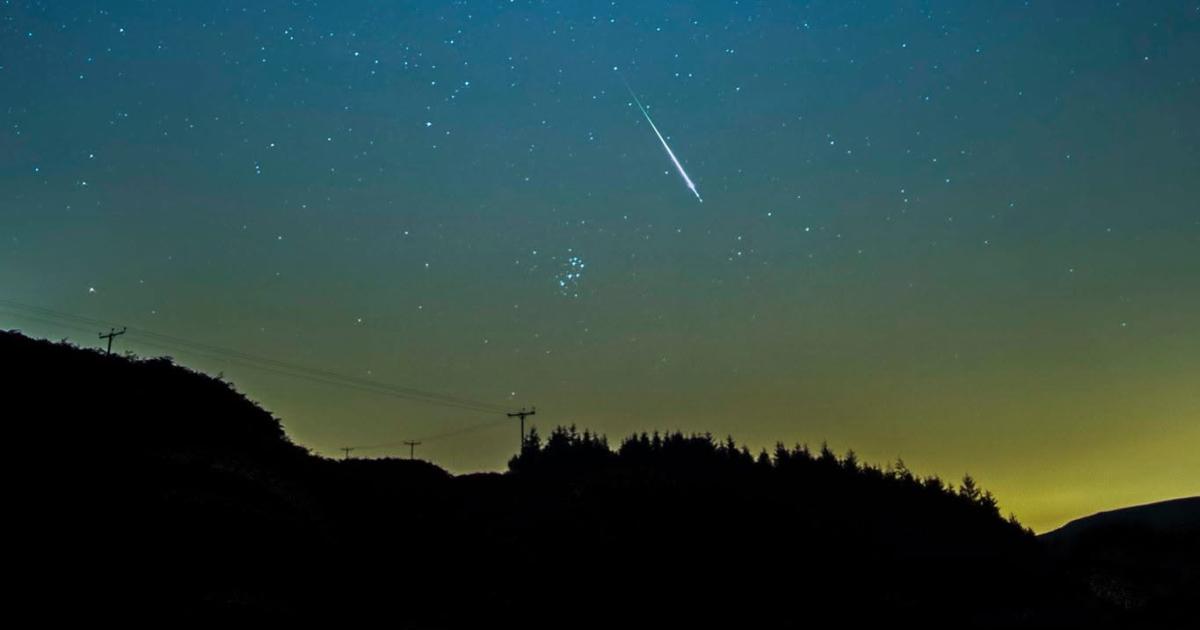
The shower will be active between July 17 July and August 24, building gradually before reaching a peak in mid‑August.
At peak, observers under dark skies can see dozens of shooting stars an hour, sometimes nudging towards one or two a minute if the weather and darkness play along.
In 2026 the Perseids peak under a new moon, so there’s no bright moonlight bleaching the sky.
You can start looking from late evening on those dates, but the best chance is between midnight and around 5.30am, when the sky is darkest and the point the meteors seem to radiate from – in the constellation Perseus – is high above the horizon.
For us in the North East, an obvious viewing spot is Northumberland’s dark‑sky country.
The area around Hadrian’s Wall, from Walltown Country Park and Cawfields to Steel Rigg, offers big horizons and some of the darkest skies in England once you step away from village lights.
Further north and west, Redesdale, the Breamish Valley and the Cheviots give similarly dark conditions, and Stonehaugh, with its designated dark‑sky status already well‑known among stargazers
Further South, the Yorkshire Dales National Park is now a recognised Dark Sky Reserve, with official stargazing sites at Hawes, Malham, Buckden and Grassington.
A base near Bedale, on the northern edge of the Dales, puts you within reach of some of the UK’s darkest public skies for anyone keen to turn the shower into a mini break.
The North York Moors Dark Sky Reserve also offers dark skies across the moors and clifftop viewpoints between Saltburn and Scarborough, plus sites at Danby, Sutton Bank and Dalby Forest great for stargazing.
Wherever you go, the basics are the same.
Pick a spot well away from street lamps and town glow, ideally with a clear view of most of the sky.
Put your phone away or turn the brightness right down – even a quick glance at a bright screen will spoil your night vision.
Give your eyes 20 minutes to adjust to the dark, dress for the small hours rather than the evening, and sit or lie back so you’re not craning your neck.
Once you’re settled, scan the sky slowly and accept that some minutes will be quiet while others bring bursts of multiple meteors.