
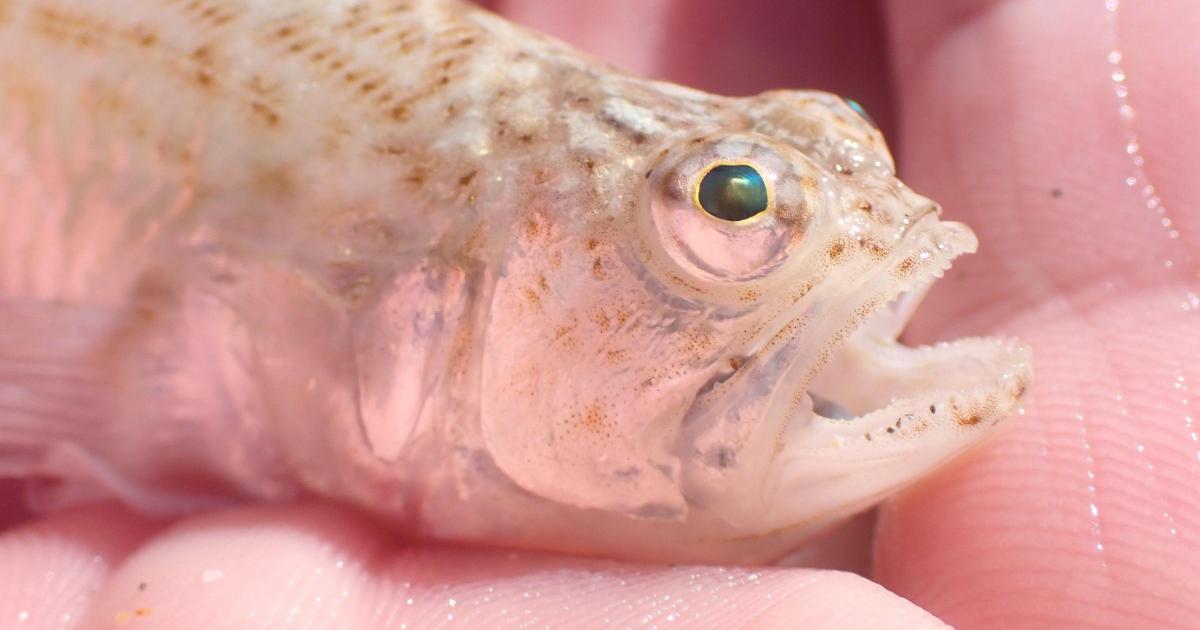
Beachgoers in Dorset and beyond are re-living their experiences of the venomous weever fish and the searing pain that comes with an unexpected sting.
This comes after the RNLI issued an urgent warning to those taking advantage of the warm weather and heading to the beach to be aware of the tiny but dangerous fish.
READ MORE: ‘RNLI warning over venomous weever fish’
It seems as though many of our readers have received a nasty sting from the species, with one sharing ‘the sting is extremely painful’ and others telling us that it’s quite easy to come across them on Weymouth Beach.
The small, sand-coloured fish bury themselves in the shallows along the south coast, blending in with the seafloor and catching beachgoers off guard.
One person said: “My son was stung on Weymouth beach last month just soaked his foot in very hot water and got the spine out. He’s fine now”
Another said: “My daughter was stung on Sunday and so were a lot of others as lots of people needed assistance from the life guards at the same time with the same issues”
Another told of being stung near Poole and says he usually wears shoes in the water. Other readers have advised beachgoers to wear aqua shoes to protect their feet.
Weymouth is far from the only hotspot, with stings reported as far east as Sandbanks and Bournemouth, and as far west as West Bay.
A woman who was stung at Sandbanks said: “I stepped on one in the water at Sandbanks, it was very painful. The lifeguard sat me down and put my foot in a bowl of hot water, and the pain faded in about 20 minutes. I always wear water shoes now.”
Others described the sting as feeling “like standing on glass,” and said “the pain was intense.”
Another said: “Got stung by one of these a few years ago. The pain was intense. Lifeguards got my foot in hot water and once the pain went down I managed to hobble back home.”
The weever fish is Britain’s only poisonous fish (Image: NQ)
The advice from lifeguards and seasoned beachgoers alike is overwhelmingly clear – wear shoes in the sea.
“Wear water shoes if you go deeper or crocs if you just paddle,” said one person.
Many who have been stung before said they now never go barefoot on the beach or in the sea, with the hot sand and sharp stones giving extra reason for caution.
Not everyone has had a direct encounter, but awareness of the risk is high.
One user said: “Luckily on my local beaches I haven’t experienced the excruciating pain from these little buggers . It’s the jellyfish you can’t see, they are a bugger too!”
Others recalled the last major surge of weaver fish in the early 1980s, and say the threat is nothing new.
“They’ve always been around,” said one person.
“My sister stepped on one back then.”
Another remembered: “The lifeguard had to put my foot in a bucket of boiling water, to get the poisonous barbs out of my foot. They said I could have lost my leg, due to the poison.
“All I remember, was the pain was horrific. My advice to you, wear sandals in the sea. I never go in without them.”
Weever fish can grow up to 12 inches in length.
Its venomous spines are concentrated behind its head, and the fish burrows beneath the sand, making it almost invisible.
A fisherman said: “They’re just in sand and can appear anywhere in Europe I’ve found (I catch them a lot when species hunting), best bet is to not think about them, you’re right to get yourself some sand shoes with thicker soles.”
Many echoed the advice to “simply wear shoes,” with some saying ‘it’s common sense at this point’.
The pain, while short-lived for most, is enough to put people off going barefoot for good.
One person said: “It feels like standing on glass, hot water as hot as you can stand does help but the pain can last. You don’t want to put your foot down .. it stabs.”
Others shared childhood memories of being stung, with one man recalling: “I remember treading on one in the 60s, it hurt. Mother brought me jelly bean sandals to wear on the beach”
Despite the fuss, some users reminded others that the fish are simply part of the coastal ecosystem and have “always been there.”
One commenter said: “They were here first.”