
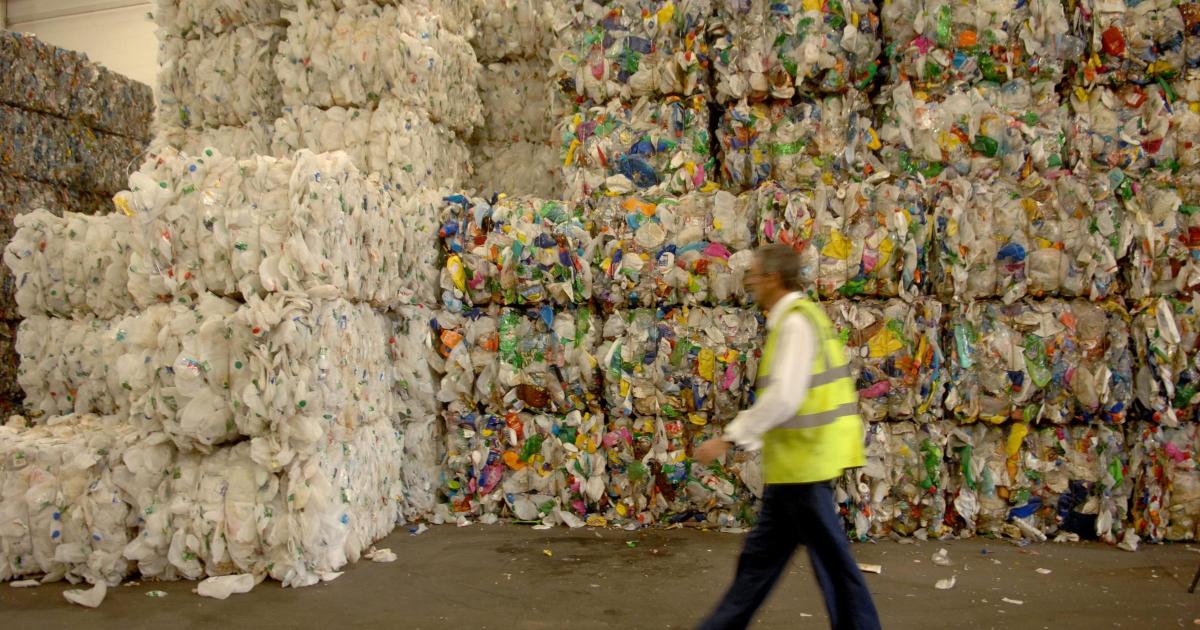
The percentage of total waste produced in the county which was recycled – including items taken to tips and collected from homes – dropped by 1.8pc to 42.9pc in 2025/26.
Council officers said last year’s dry weather led to less garden waste, which contributed to a slump in recycling rates (Image: Supplied)
The fall came after the controversial introduction, in November 2024, of a booking system for recycling centres and a decision to close them on Wednesdays.
Council officers insist the changes, which were made to save the authority £400,000, are not the reason for the dip in recycling rates.
Instead, they have blamed last year’s dry weather for triggering a “significant decrease” in garden waste.
Lower levels of rainfall mean grass and other plants do not grow, so people were not taking so much garden waste to the council’s 19 recycling centres or leaving it in bins for district councils to collect.
Officers said that contributed to the lowest recycling rates since 2021. At that time the county’s recycling rate was 42.1pc.
This year marks the second time in a row when recycling rates have fallen, after the highest recorded rate of 44.8pc in 2023/24.
But the council defended the decision to introduce booking slots at its tips, with officers saying more than a million bookings were made over the past 12 months.
Norwich South Recycling Centre (Image: William Gentry)
The recycling rate drop was reported in papers which went before a meeting of the council’s infrastructure and development committee on Thursday, where other issues affecting recycling were also raised.
That included the temporary ban on some electrical items at tips, introduced after a fire at the Thetford depot where those were processed. That partial ban is to be lifted on Monday.
But councillors were also told that the authority does not currently have a contractor to handle textiles, such as clothing, which people take to recycling centres.
It means the tip can accept textiles, but they have to be put in with general waste, rather than for recycling.
Officers said the council was trying to find a replacement contractor, but said there were “significant challenges” as the UK market is “saturated with low-quality, post-consumer clothing, much of which is made from mixed fibres that are difficult to recycle”.
They said that has led to heavy reliance on export markets, including sending material to Africa.