
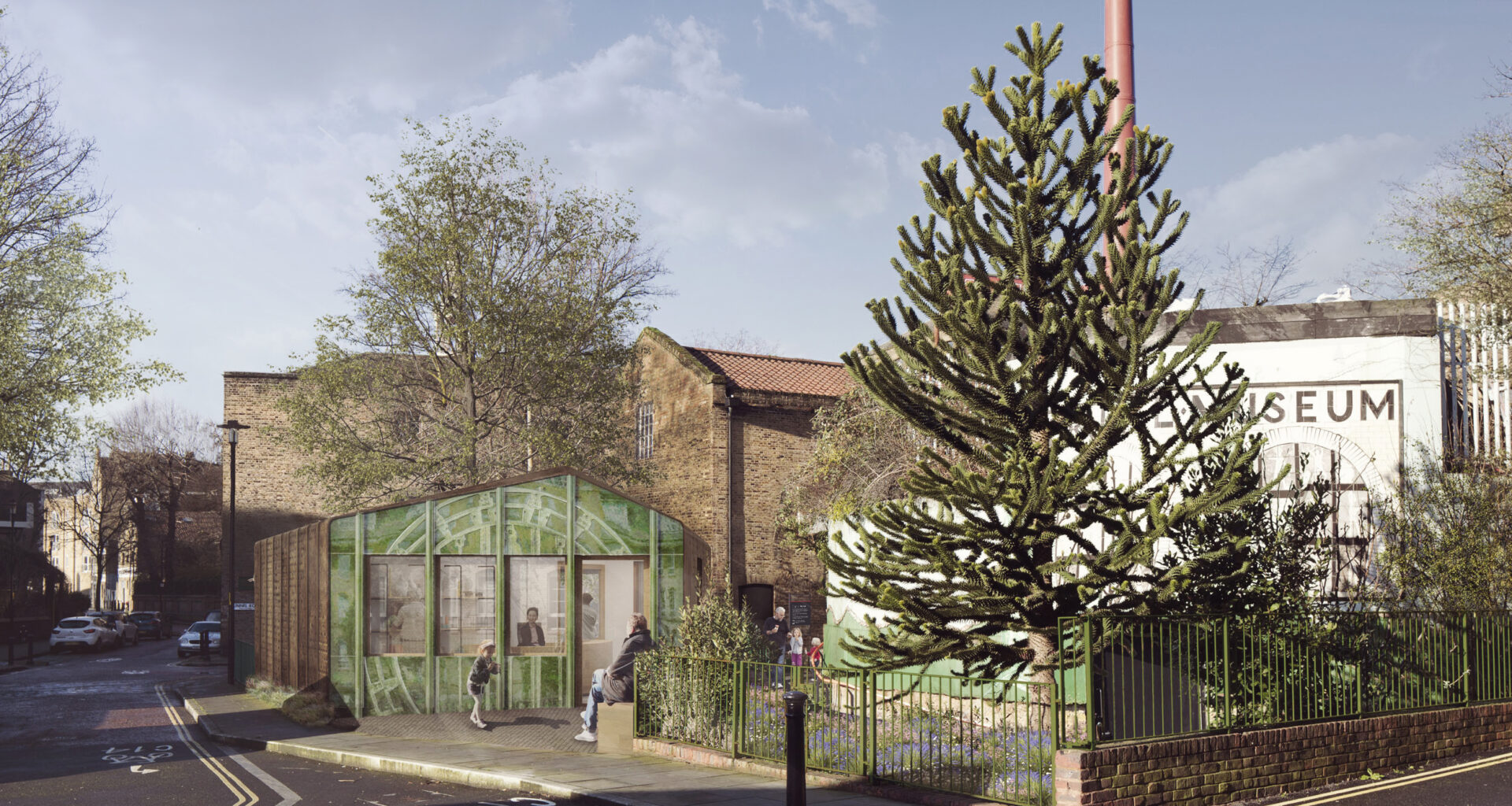
Southwark Council first approved upgrades and the expansion of the Rotherhithe-based museum, which sits at the end of the world’s first tunnel under a river, designed by Marc and Isambard Kingdom Brunel, in December 2021.
The scheme featured a new entrance pavilion, alterations to the Grade II-listed engine house and minor works within the Grade II*-listed tunnel shaft, which the practice converted into a performance space in 2016.
Works were due to begin in late 2024 but the AJ understands concerns were raised about the scheme’s impact on rassets owned by Transport for London (TfL), which led to the museum reviewing the 2021 proposal and its costings. The museum said it had worked with Tate + Co to consider alternative options.
As part of conditions attached to £2.1 million granted by the National Lottery Heritage Fund in June 2022, the museum was required to match-fund the amount.
However, according to a recently posted statement by the south London museum, it appears the delays and potential changes to its original Brunel Museum Reinvented proposals eventually led to the loss of the project’s funding.
Once it became clear there would be no additional money from the Heritage Fund, the project faltered. Key parts of its plans, including the new pavilion, will not now be built.
Tate + Co has not commented on the decision but confirmed it was no longer working on the project.
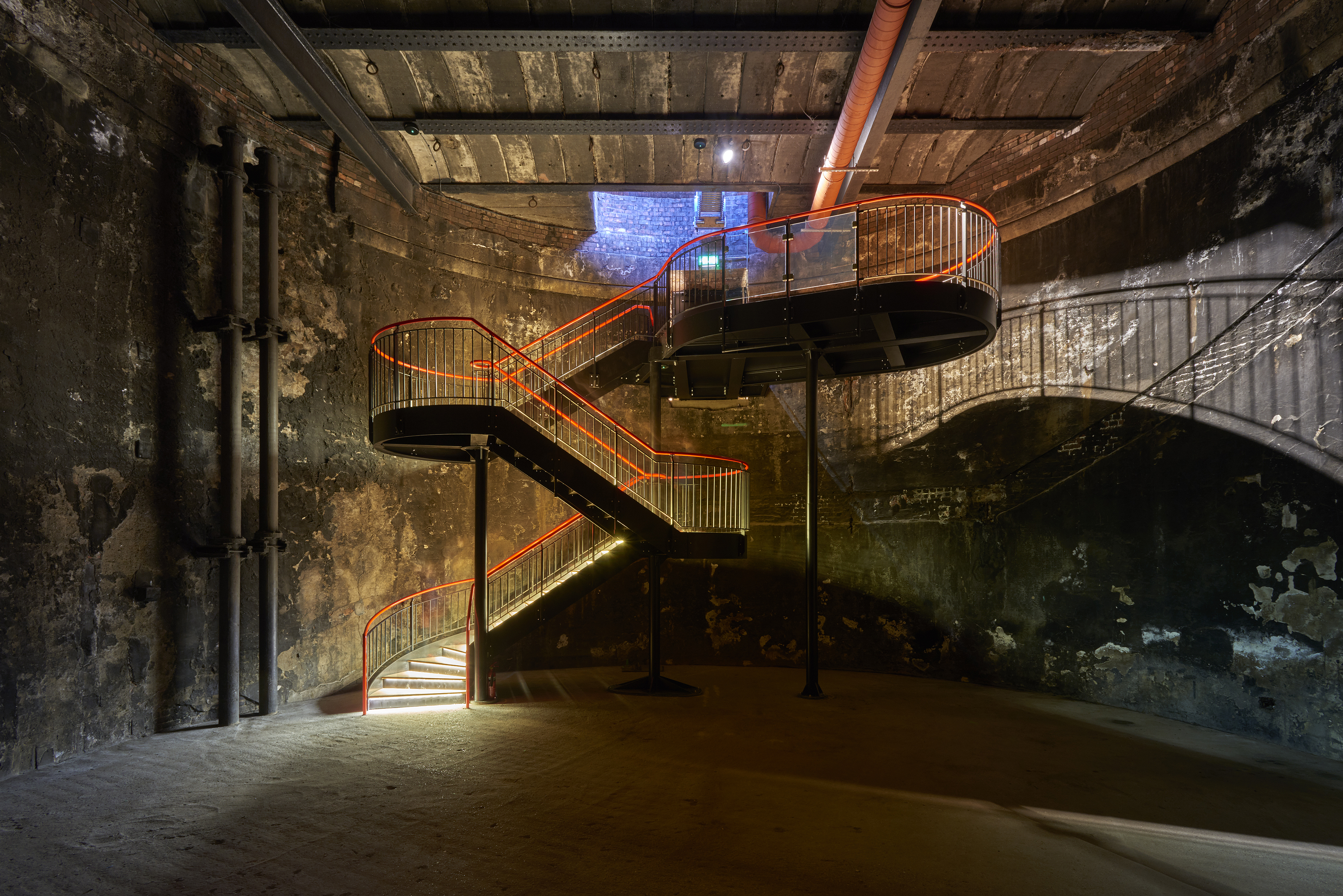
In 2020, Tate Harmer, as Tate + Co was then called, along with conservation architect Purcell, won the design competition to upgrade the museum (Tate Harmer wins Brunel Museum contest).
. The since-abandoned plans included a new 53m² single-storey pavilion, shop, office, staff kitchen, storage and toilet facilities.
A refurbishment of the two-storey brick Engine House, a scheduled monument, would have removed back-of-house elements including a lavatory and staff office to make room for an interpretation and exhibition area, along with a research and archive space. The museum had proposed to exhibit original watercolour designs of the tunnel created by designer Marc Brunel’s team during the 20-year build.
The Heritage Fund said that of the original £2.1 million grant, £445,665 has been spent on the project so far.
A spokesperson for the National Lottery’s Heritage Fund told the AJ: ‘In December 2025 we communicated to the museum that significant additional funds from the National Lottery Heritage Fund were unlikely to be provided and they took the decision not to proceed with the capital works. The public engagement element of the project was completed successfully.’
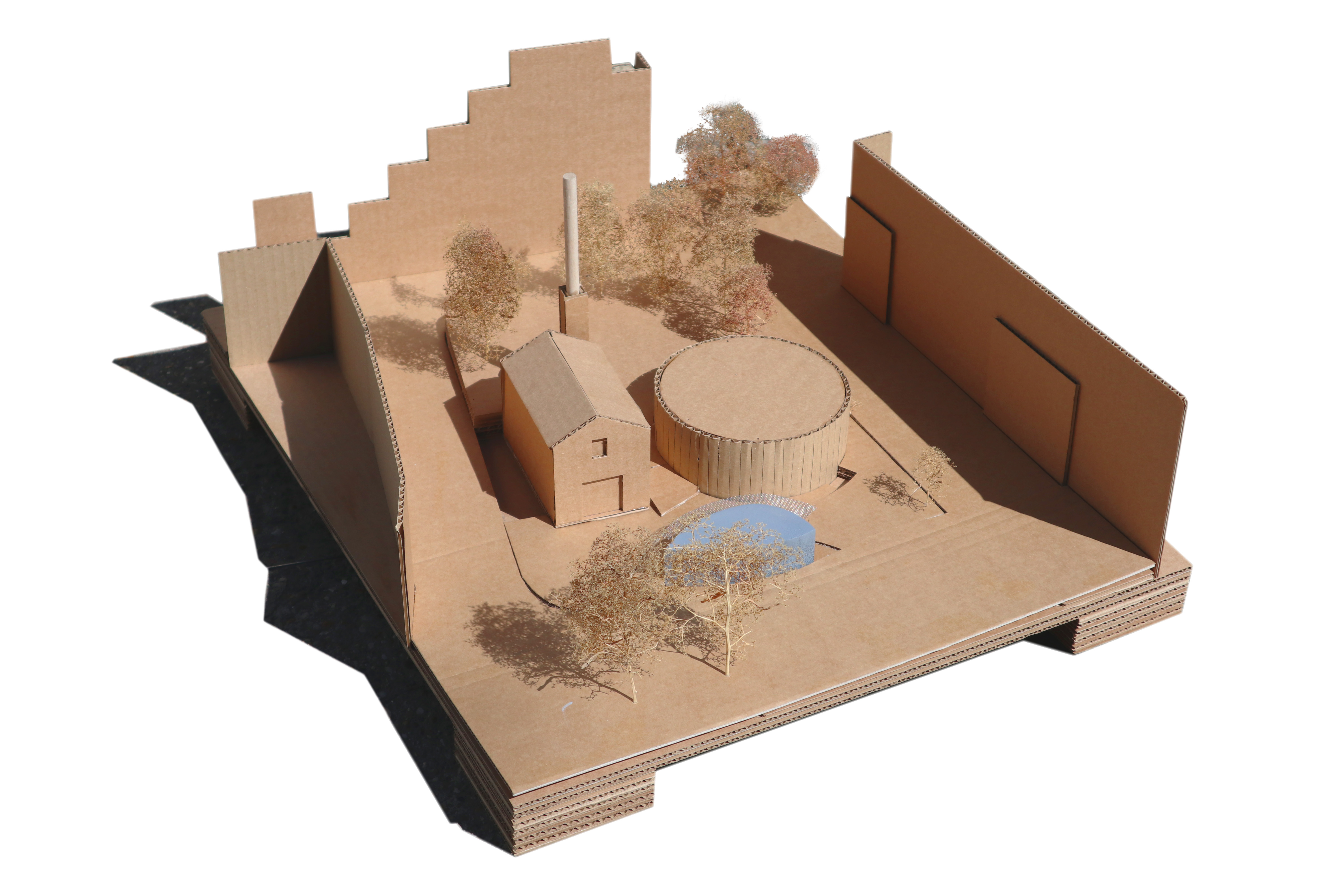
Tate Harmer’s contest-winning proposal for the Brunel Museum in London
A statement on the museum’s website said: ‘Due to the length of time that had passed since the original award, the changes in scope for the project and the match funding commitments, the decision has been made by the Heritage Fund to withdraw the funding for the capital works aspect of the project.’
The Brunel Museum continued: ‘We remain focused on delivering the objectives of the original project to restore the Engine House building, improve our accessibility, facilities, and the overall visitor experience to the museum.’
In relation to the pavilion, a museum spokesperson confirmed to the AJ: ‘Due to new concerns from TFL regarding the proposed location for the pavilion building, above a TFL pipe, the new pavilion will no longer proceed.
‘Instead, the Brunel Museum will be concentrating on repairing and renovating the engine house, which is a Scheduled Monument, and reinstating an old entrance to provide better visitor access. The museum will submit a new planning request to Southwark Council for this.’
The Brunel Museum celebrates the achievement of Marc Isambard Brunel, the father of Isambard Kingdom Brunel. Marc Brunel, supported by his son, designed the Thames Tunnel, which, when it opened in 1843, was the first tunnel dug under a navigable river anywhere in the world.
The tunnel connects Rotherhithe on the south side of the river to Wapping in the north. The subterranean link was originally intended for horse-drawn carriages but later became a tourist attraction and is now part of London Underground.
The Brunel Museum includes access to the Thames Tunnel Shaft, a Grade II-listed structure, which was where work on the tunnel began and in the 19th century was used for underground banquets and fairs.