
Pressures on accident and emergency units saw hundreds receive “corridor care” in the North East in June.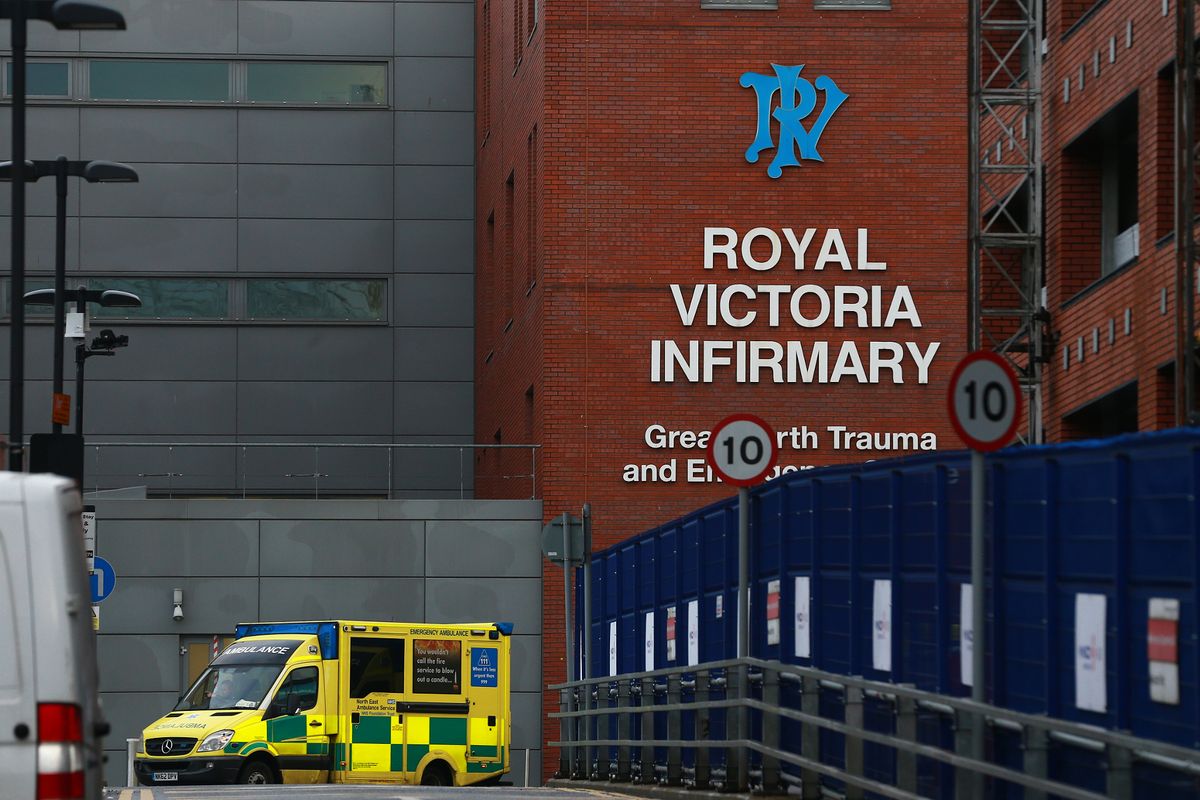
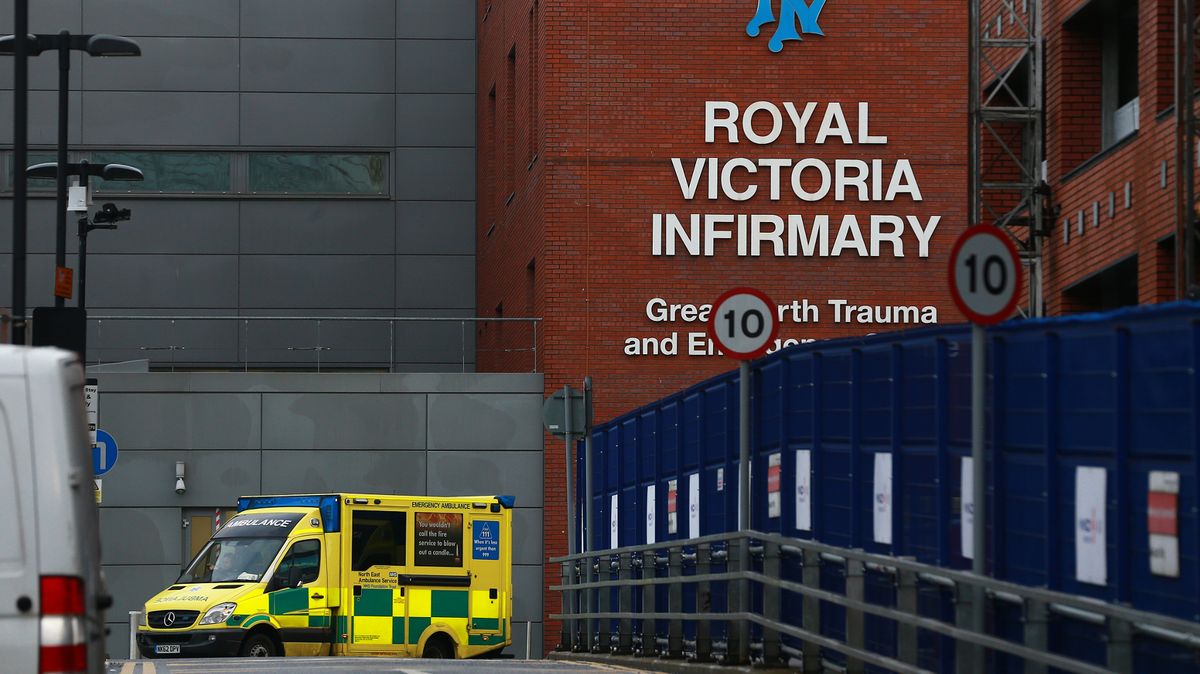
The Royal Victoria Infirmary in Newcastle upon Tyne.(Image: Newcastle Chronicle)
In June, on average, 44 people a day spent more than 45 minutes receiving “corridor care” at the Royal Victoria Infirmary – and hospital bosses continue to work on the revamp of the emergency department intended to solve the issue at a busier-than-ever department. The stark data comes from newly-released figures from NHS England.
For the last two months, the wider health service has released information about how long patients spend being cared for in ad-hoc hospital spaces prior to a bed becoming available. In some London NHS trusts, on average this is happening for more than 100 patients each day.
In the North East the situation is less stark – but Newcastle Hospitals NHS Trust which runs the RVI is the worst affected, with 44 people reported as spending that time waiting. That’s a small deterioration on May – the first month for which data is available – when there had been an average of 43.
By comparison, at the South Tyneside and Sunderland NHS Trust just two patients a day had such care. There were 15 patients a day affected at the Northumbria Healthcare NHS Trust – which runs the specialist emergency care hospital at Cramlington.
At Gateshead’s Queen Elizabeth Hospital, there were again just two patients a day recorded as receiving care in the corridors, while there were 22 at the County Durham and Darlington NHS Trust.
Corridor care is defined by NHS England as treatment that does not take place in a clinically appropriate and safe setting. The criteria used for defining an appropriate setting include at-bed services such as oxygen and call bells; whether privacy can be maintained; access to food, water and toilets; and whether lights can be turned off and noise levels minimised to allow sleep.
If treatment does not meet any one of these criteria, is it classed as corridor care. Previously, a board meeting at the Newcastle Hospitals NHS Trust’s board heard in May how, over the winter, around 10% of patients attending A&E had ended up “spending time in a corridor space”.
This week a spokesperson for the trust said: “This is not the experience we would want for our patients, and our teams across our hospitals are working hard to address the pressures in the Emergency Department to always ensure the safety, wellbeing, privacy and comfort of our patients.
“In response to the growth in the number of patients we have seen over recent years, we are undertaking a phased programme of work including a new Urgent Treatment Centre which opened at the RVI in January, a new triage and assessment space which will be complete this year, and in 2027 we will be refurbishing our Emergency Department to increase the number of private cubicles available.”
This data comes from a period which the NHS nationally described as its “busiest ever” June – with emergency department attendances hitting 80,000-a-day across the month for the first time. Reducing and then eliminating “corrridor care” has been a key aim of the Labour Government.
Speaking last week, new Health Secretary James Murray said such care was “unacceptable”. His predecessor Wes Streeting earlier this year announced funding for a £7m expansion of the trust’s Same Day Emergency Care (SDEC) offering. This comes after the establishment of the new Urgent Treatment Centre adjacent to A&E – which opened in January.
ChronicleLive has created a dedicated WhatsApp community for breaking news and our biggest stories. You can join this WhatsApp community here. It will keep you up-to-date with news as it breaks and our top stories of the day sent directly to your phone.
Our ChronicleLive Daily newsletter is free. You can sign up to receive it here. It will keep you up to date with all the latest breaking news and top stories from the North East.