
This could make the medication “less effective” at doing its job
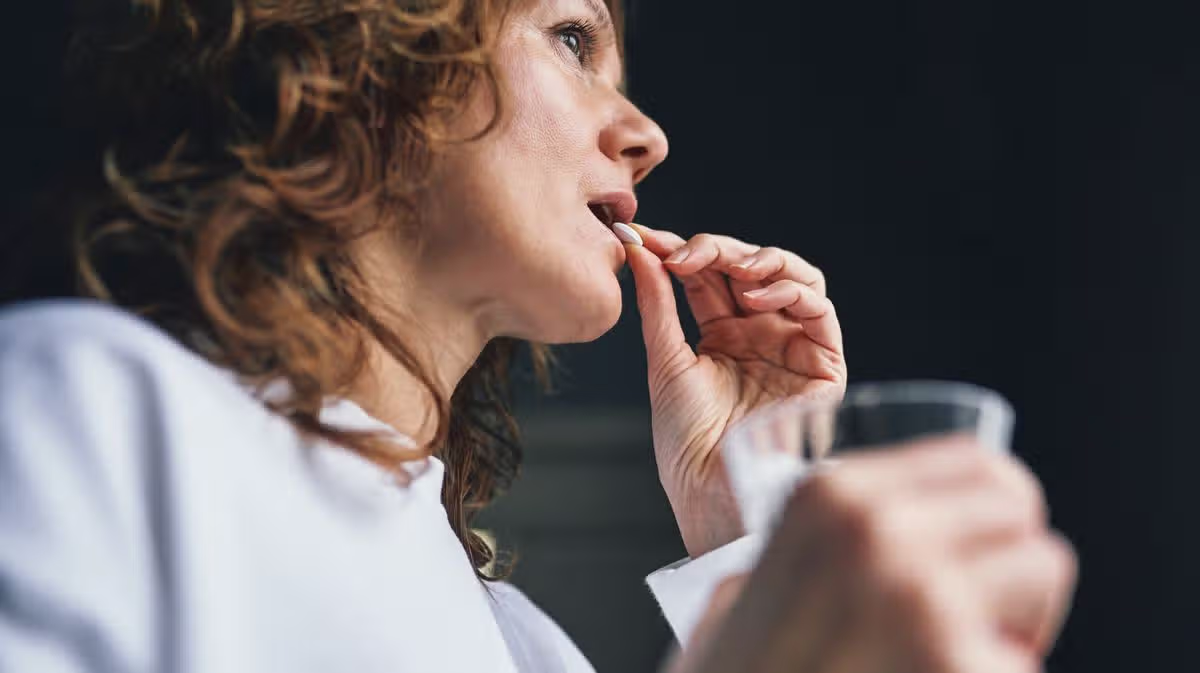
People taking statins have been cautioned about taking a certain supplement(Image: Getty)
People taking a commonly prescribed type of drug are advised to avoid a certain supplement. According to experts at the British Heart Foundation (BHF), it could make the medication “less effective”.
Approximately eight million people in the UK are estimated to be prescribed statins. These medicines help reduce levels of low-density lipoprotein cholesterol (or “bad” cholesterol) in the bloodstream.
High cholesterol in the blood increases your risk of several potentially life-threatening conditions, including heart attacks and strokes. While statins can be life-saving, you need to know how to take them safely and effectively.
On its website, the BHF explained that “some common supplements” can “interfere” with how statins like atorvastatin, pravastatin and simvastatin work. This includes St John’s wort.
St John’s wort
St John’s wort is a popular supplement often used to treat mild to moderate depression and anxiety. It can be bought without a prescription from many pharmacies, health food shops, and online.
However, the BHF said: “St John’s wort is not recommended if you take statins. This is because it can lower the amount of statin in your blood, making it less effective at lowering cholesterol.”
The NHS also advises against mixing St John’s wort with statins. It said: “Taking statins at the same time as other medicines, herbal remedies, or some types of food or drink can stop the medicines working properly or increase the risk of side effects.”
Therefore, you should always check the paperwork that comes with your medication before taking it. “Check the leaflet that comes with your medicine to see if there is anything you should avoid while taking it,” the NHS said.
“Always ask a pharmacist or your doctor if you’re unsure.” The NHS also warned that taking any of the following could cause issues when paired with statins:
Medicines for high blood pressure or blood vessels, such as amlodipine, verapamil or diltiazemAntifungal medicines such as fluconazoleCertain antibiotics, such as clarithromycin and erythromycinHIV medicinesWarfarin or another medicine to help prevent blood clotsCiclosporin – a medicine used to treat conditions such as psoriasis and rheumatoid arthritisColchicine – a medicine used to treat goutFusidic acid – a medicine used to treat skin infectionsGrapefruit or grapefruit juice, as it can increase side effects
It continued: “If you take any of these, a doctor may prescribe an alternative statin, lower your current dose or recommend stopping the statin for a while.”
How to lower your cholesterol
The only way to be sure if your cholesterol levels are too high is to take a cholesterol test. These will confirm your:
Total cholesterol – the overall amount of cholesterol in your bloodGood cholesterol (called HDL) – this may make you less likely to have heart problems or a strokeNon-HDL cholesterol – the difference between total cholesterol and HDL
The NHS explained: “What is a good target level for you depends on things like your age, whether you have any health conditions and your risk of cardiovascular disease.” But generally, the following levels are considered “healthy”:
Total cholesterol – below 5mmol/LHDL (good cholesterol) – above 1.0mmol/L for men or above 1.2mmol/L for womenNon-HDL (bad cholesterol) – below 4mmol/L
To lower your cholesterol, the NHS recommends:
Eating a healthy, balanced dietExercising regularlyMaintaining a healthy weightLimiting the amount of alcohol you consumeQuitting smoking
However, you may also need statins. If you are concerned about your cholesterol levels, you should speak to your GP.