
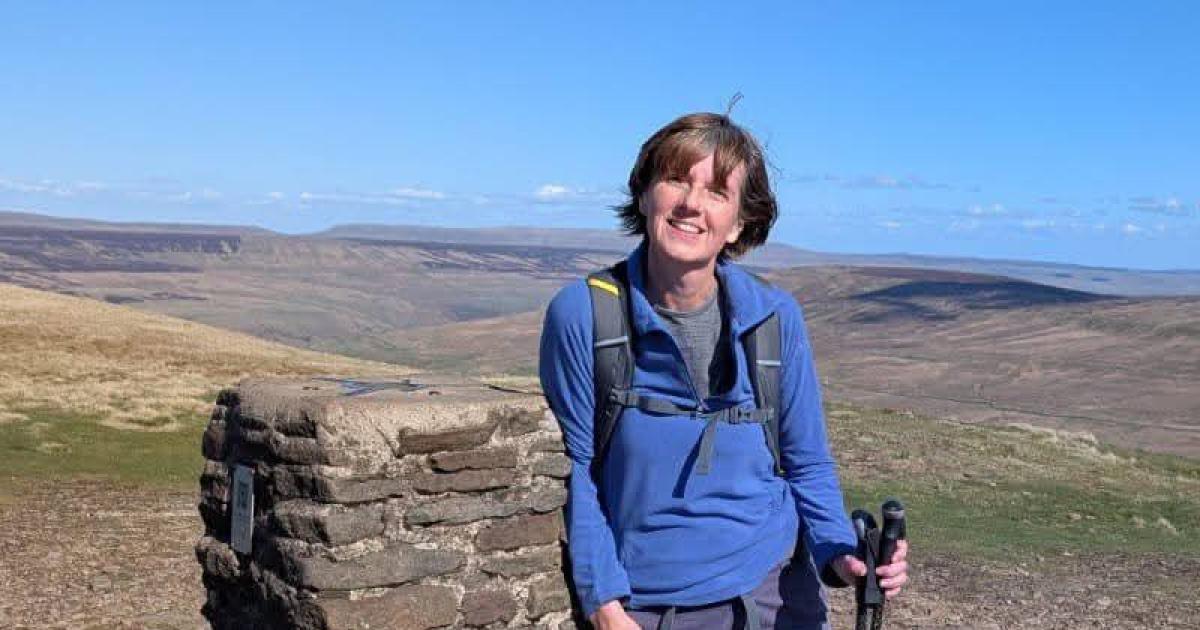
Fiona Barnett, 54, from Romsey, was diagnosed with stomach cancer after persistent indigestion failed to improve with treatment.
She has since backed a national campaign, Guts UK’s Let’s Talk Guts, which aims to break the stigma around digestive health and encourage people to seek help for persistent gut symptoms.
Ms Barnett said: “Please don’t be embarrassed about talking about digestive conditions.
“Sometimes it might be something relatively simple that could be treated easily, and you’ve been struggling on for years.
“Sometimes it might be something more serious.
“Either way, knowledge is key.”
Until 2016, Ms Barnett had always been fit and healthy.
In 2016, she experienced what she thought was gallbladder pain, later followed by symptoms similar to a stomach ulcer.
Although tests found nothing and her symptoms eased, three years later she developed severe, persistent indigestion.
No medication brought relief.
She also became breathless walking upstairs and broke down in tears during a GP appointment.
During an endoscopy, doctors found an area of inflammation less than one centimetre in size.
A biopsy later confirmed hereditary diffuse gastric cancer.
Ms Barnett said: “It was a huge shock.
“I was 48 years old, and my daughter was just 16, about to sit her GCSEs.
“My first thoughts were of my husband and my family.”
Thankfully, the cancer was caught before it had spread.
She underwent surgery to remove her stomach but did not need chemotherapy.
Adjusting to life without a stomach was challenging.
Ms Barnett said: “I felt sick and lived off pureed food for a long time.
“My mum was amazing.
“She came to nurse me and to feed me chicken soup for weeks.
“The weight just dropped off me; I ended up losing 2.5 stone.
“It was strange, I’d spent my whole life being careful to keep the weight off, and suddenly I was trying to keep it on.”
She now manages her condition by eating little and often and carefully planning her diet.
While food remains a daily consideration, she says it is “a small price to pay for still being here.”