
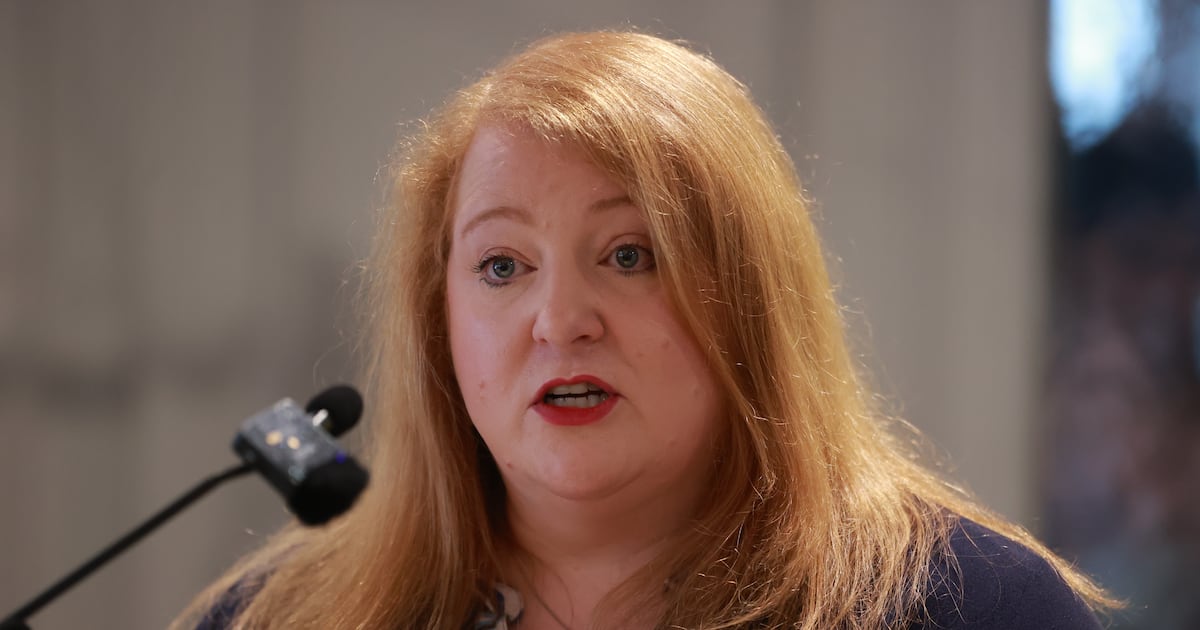
Justice Minister Naomi Long has ruled out the introduction of mental health courts in Northern Ireland blaming funding pressures.
Popular in countries including the United States, Canada and Australia, mental health courts (MHCs) redirect offenders with severe mental illnesses away from prison towards treatment.
An example of ‘problem solving justice,’ it is typically aimed at those guilty of crimes that are not violent or sexual in nature.
The benefits are said to include reduced reoffending rates and costs.
It is an approach that has already witnessed success in Northern Ireland with the Substance Misuse Court which was launched in 2018.
Answering an Assembly Question from Sinn Féin’s Aoife Finnegan, Mrs Long said that previous scoping work into MHCs was paused during the pandemic.
“This involved some early engagement with the Department of Health, including consideration of how such an approach might align with the Substance Misuse Court,” she said.
“However, no alternative model has been developed at this stage.
“Given the significant funding and resourcing pressures facing both the Department of Justice and the Department of Health, there is unlikely to be progress on the establishment and roll-out of a Mental Health Court at this time.”
She added that work would continue to support those with mental health needs and reduce offending.
Northern Ireland’s Mental Health Champion, Professor Siobhan O’Neill, told The Irish News she was “very disappointed” by the decision.
“Mental ill health places a huge strain on Northern Ireland’s already overstretched justice system. Many people who come into contact with the criminal justice system have complex mental health needs that often go unmet.
“At the same time, courts and justice services are under significant pressure, making it difficult to address the underlying factors that contribute to offending.
“I am therefore very disappointed that there is unlikely to be progress in developing mental health courts in Northern Ireland. Mental Health Courts are a cost-effective way of reducing crime and halting cycles of trauma.”
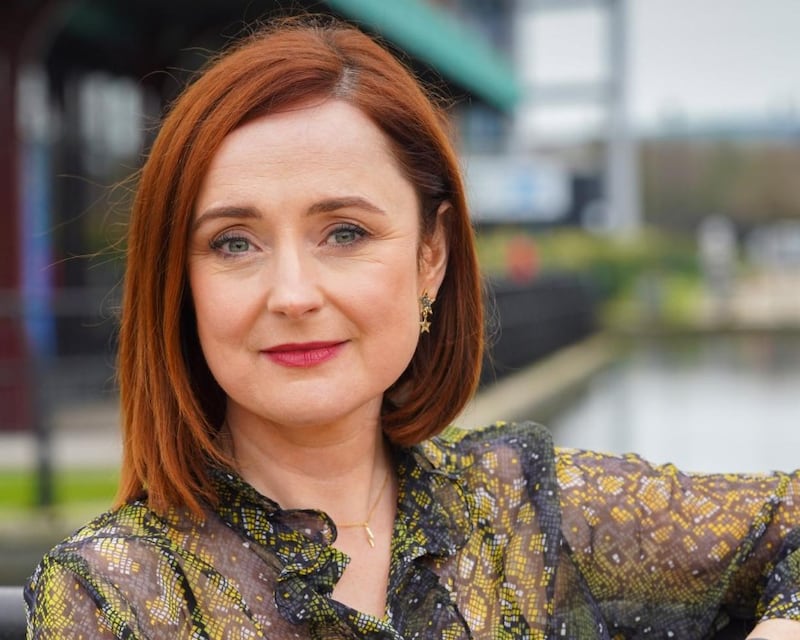 Mental Health Champion for NI, Professor Siobhan O’Neill
In 2024, the PSNI said frontline officers were becoming overwhelmed by dealing with over 100 mental health incidents a day, equating to 100,000 policing hours and a cost of £4m every year.
At the time, Assistant Chief Constable Ryan Henderson compared it to society effectively “criminalising mental health” by having officers deal with vulnerable people in crisis.
A Stormont Assembly research paper also noted the pressure mental health incidents placed on an “already exhausted legal system,” and that a 2020 RQIA review found “a significant lack of psychological support” for inmates in Northern Ireland’s growing prison population.
While praising the potential benefits of “well-intentioned” MHCs, the research paper highlighted limitations could include a lack of dedicated funding and available psychiatrists.
In the United States, other problems included public safety concerns over “high-risk” clients as well as offenders feeling coerced into completing court programmes with the threat of jail.