
ⓘ Notebookcheck
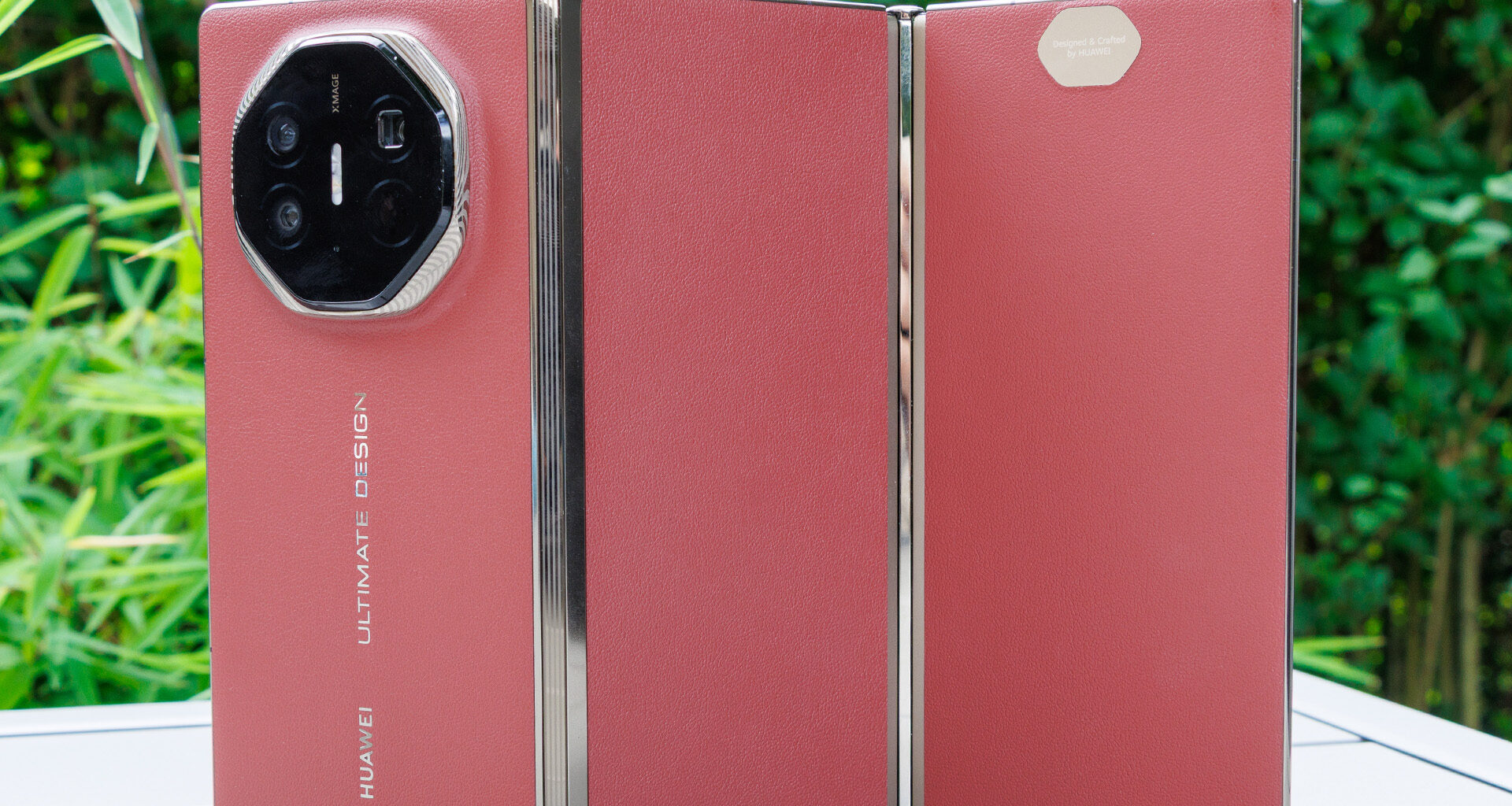
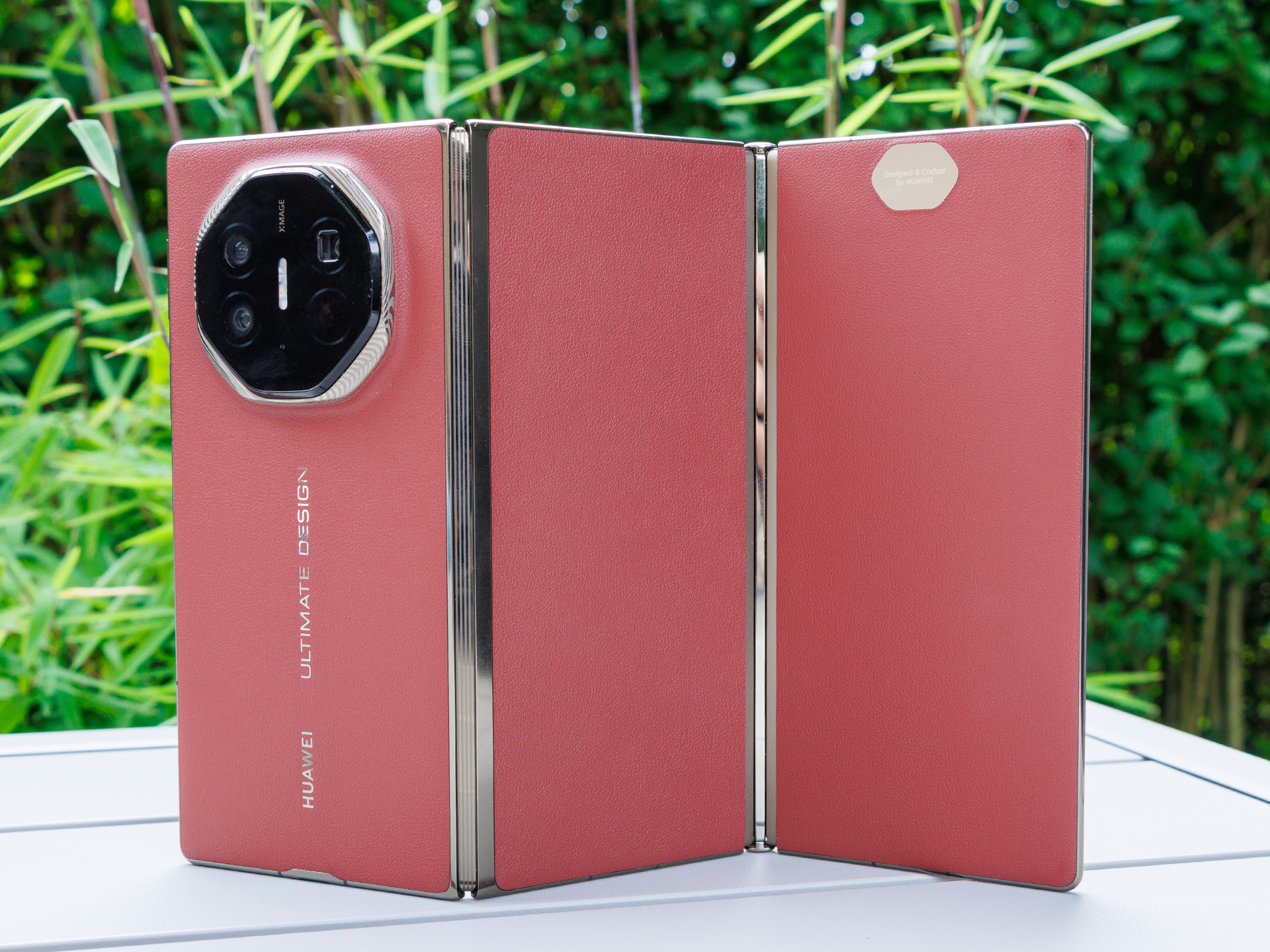
A newly surfaced patent gives an idea of what the successor to the Huawei Mate XT Ultimate Design (pictured here) may look like.
A leaked patent suggests that Huawei’s next tri-fold could replace the original model’s Z-style hinge with a U-shaped, fully inward-folding design and add an external display. The Huawei Mate XT 2 is expected to launch sometime later this year.
Huawei’s next tri-fold smartphone might be taking a different approach, according to a newly surfaced design patent. The filing, tied to the anticipated Mate XT 2, suggests the company is abandoning the Z-style hinge used on the original Mate XT in favor of a U-shaped, fully inward-folding structure meant to shield the inner screens from damage.
The patent illustrations reveal a triple-panel device, with the outer display panels folding inward against the main screen, a setup that echoes Samsung’s Galaxy Z TriFold ($420 refurbished at Amazon) but reverses the closing order: where Samsung folds right first, Huawei’s design reportedly closes left before right. There is also an external display panel, a feature missing from the previous two Mate XT generations, as well as large circular camera module on the back. The Huawei Mate XT Ultimate Design, for comparison, features a Star Diamond camera module.
However the patent dates back to 2023. Hence, it could well contain errors and is certainly no guarantee of a final product. At best, the documents suggest that the company continues to actively develop the next generation of its innovative tri-fold lineup, with more details expected to emerge in the coming months as Huawei prepares for a launch later in the year, possibly sometime from September onwards.
 Jacob Fisher – Tech writer/translator – 2969 articles published on Notebookcheck since 2022
I first became acquainted with computers in my early teens after a broken leg from a football (soccer) match temporarily condemned me to a predominately indoor lifestyle. Soon afterwards I was building my own systems. Now I live in Germany, having moved here in 2014, where I study philosophy and anthropology. I am particularly fascinated by how computer technology has fundamentally and dramatically reshaped human culture, and how it continues to do so.