

UKHSA has issued a warning to anyone travelling abroad
People have been urged to check travel health advice before they go abroad(Image: Getty)
Summer getaways might already be booked, but health experts are warning travellers not to overlook a key step before they head for the airport – after illnesses linked to overseas trips passed the 1,000 mark already this year.
The latest data from the UK Health Security Agency (UKHSA) shows a steady flow of imported infections in England, Wales and Northern Ireland (EWNI) in the first half of 2026. The cases include mosquito-borne illnesses such as malaria, dengue, chikungunya and Zika, as well as enteric fever, which is usually caught through contaminated food or water.
The numbers recorded so far in 2026
For January to June 2026 (with malaria counted January to May), the update lists:
Zika: eight casesChikungunya: 59 casesMalaria: 557 casesEnteric fever (typhoid/paratyphoid): 287 casesDengue (England only): 137 cases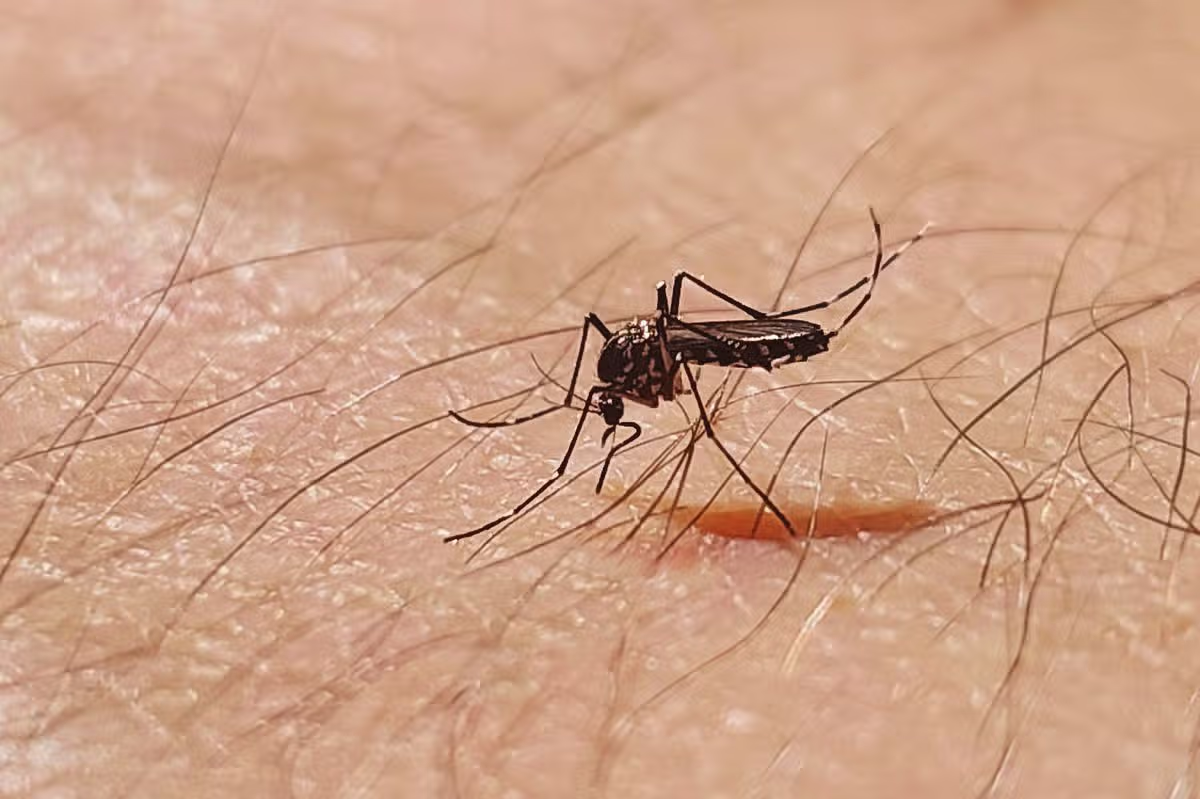
Many of the illnesses listed by the UKHSA are mosquito-borne(Image: Getty)
The illnesses
Zika is usually mild for most people, but it carries particular concern for anyone who is pregnant or trying to conceive. In the latest figures, Indonesia was the most frequently recorded country of exposure, linked to four of the eight cases. TravelHealthPro notes that from 2014 to 2025 there was only one travel-associated case linked to Indonesia (in 2024), making the 2026 pattern notable.
Chikungunya can cause a sudden fever and joint pain that, for some, can linger. Of the 59 cases reported, Sri Lanka was the most commonly reported destination, accounting for 18.
Malaria remains the most dangerous of the infections listed because it can become life-threatening without rapid diagnosis and treatment. The report logged 557 cases across EWNI between January and May 2026.
Enteric fever (typhoid/paratyphoid) is typically linked to unsafe food and water. The update recorded 287 cases and points out that, in recent years, case numbers tend to climb most between May and October — a time when many families are travelling.
Dengue, often dubbed “breakbone fever”, is another mosquito-borne infection. While many people recover without complications, it can still leave travellers very unwell. In England, 137 cases were reported, with exposure most often linked to South and South-East Asia. The report lists Thailand (27 cases) and the Maldives (19 cases) among the most common destinations connected to infection.
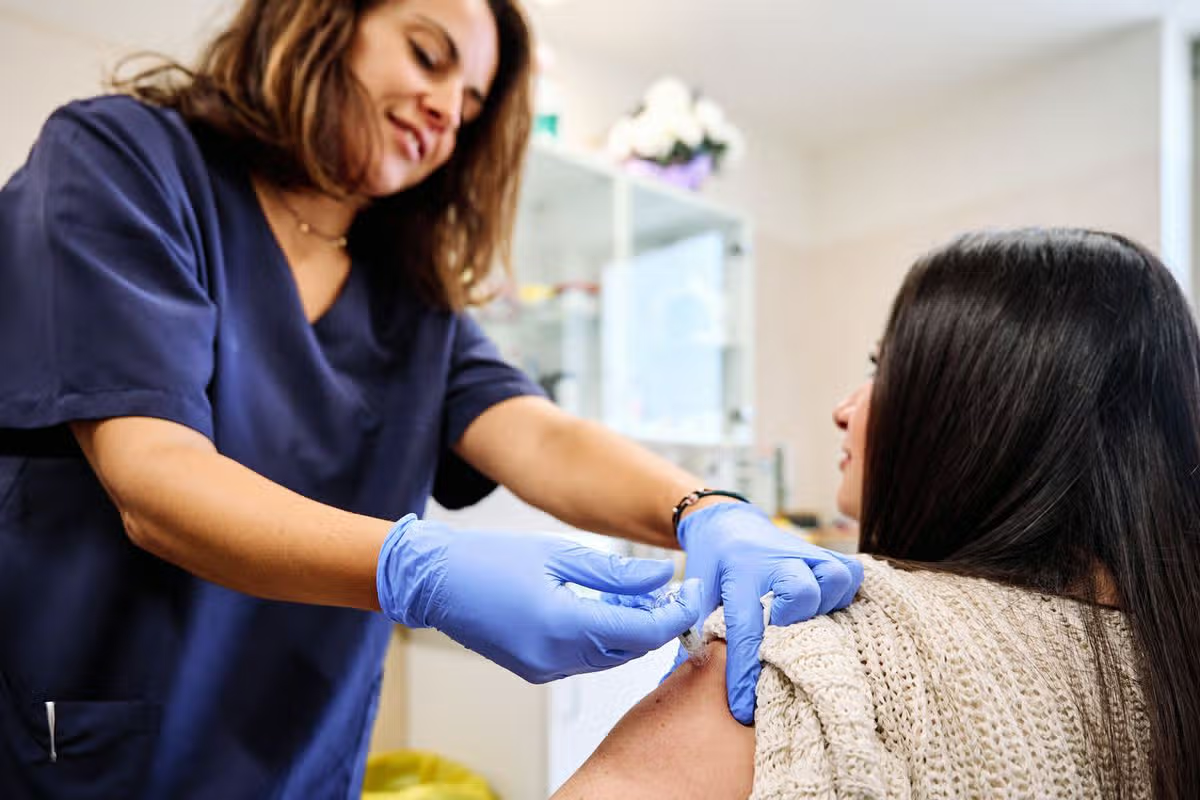
You might be advised to get vaccinated(Image: Getty)
UKHSA says plan ahead before you fly
Dr Hilary Kirkbride, consultant epidemiologist and head of travel health at the UKHSA, said people should not let a preventable illness ruin their trip. She said: “Summer is a popular time to travel – don’t let illness spoil your holidays. Good preparation and planning is important for a safe and enjoyable trip.
“Check the TravelHealthPro website for the latest health advice for your destination, including which vaccines you may need and any important medications, such as antimalarial tablets. To protect against mosquito borne infections use insect repellent, cover exposed skin and sleep under a treated bed net where needed. For enteric fever and other stomach bugs make sure you take good food and water hygiene precautions.
“Even if you have visited a country before, you do not have the same level of natural protection against infections as permanent residents, so it is important to take precautions every time you travel. And if you are pregnant or trying to conceive there are special precautions you should take, so please speak to a doctor, nurse or local travel clinic before planning your trip.”
TravelHealthPro publishes destination-by-destination guidance on vaccines, mosquito bite avoidance and food-and-water hygiene for anyone travelling abroad. You can access this online here.