
To start with, connecting to the internet via a smartphone, which is what most of us do at the moment, is now 20 years old, while the laptop is at least 30 years old. It is hardly a new technology anymore, and it may well be ripe for a replacement.
Next, with the rise of short videos, the internet is turning to voice over keyboards as its main way of connecting people.
Finally, AI on a standard computer may just prove a clever party trick, but carried around with us all the time, and able to listen and communicate, it may well start to become a vital part of our everyday lives.
OpenAI needs something big. It plans to spend $600bn on computing infrastructure by 2030 to build all the kit it needs, and is currently burning through money at a rate of $120bn a year. It reported losses of $38bn last year on revenues of $13bn.
While those numbers are fine if everyone believes you are the next Google, they can also turn sour very quickly if the market starts to lose faith in your ability to deliver.
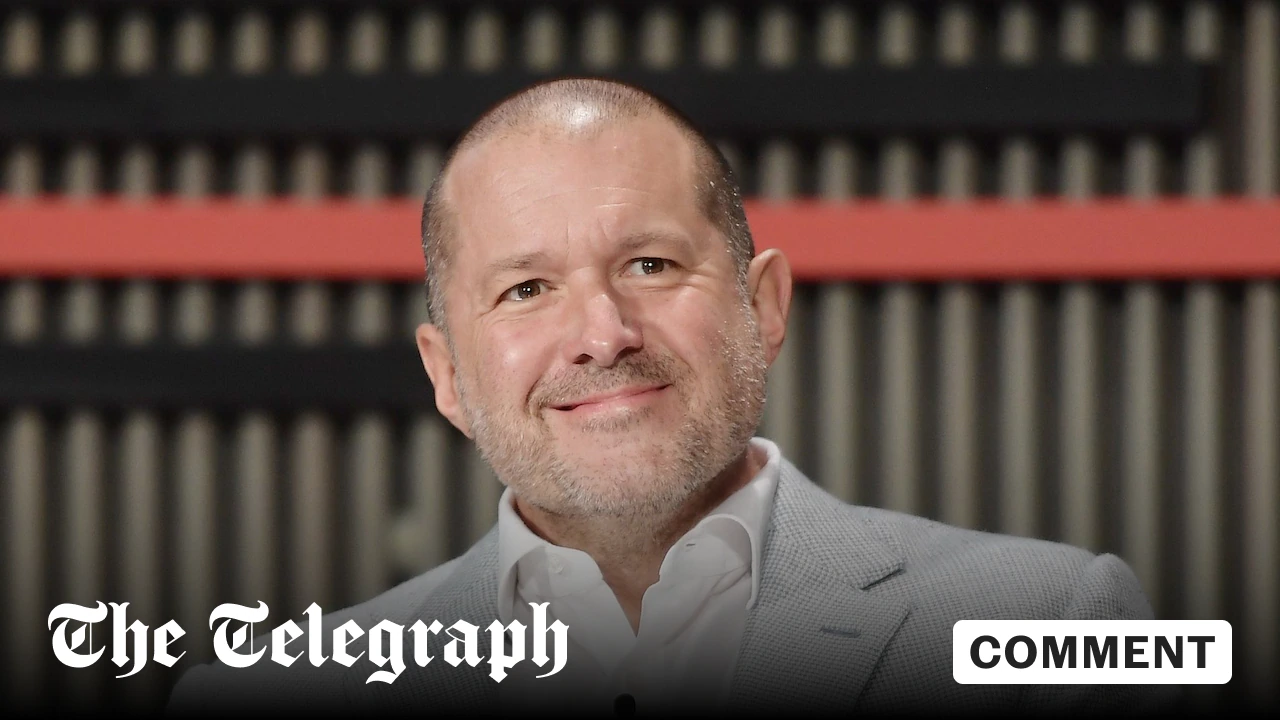
The blunt truth is this: everything is now riding on Ive and his new gadget. When the device, whatever it is, is finally launched, it will certainly be the biggest launch of the year, and possibly the decade.
But it will also be make-or-break for OpenAI and all the money that has been invested in the company, because if it does not work, it is hard to see how it can recover.