

Minenhle Simelane, 25, is transforming discarded chip packets into unique fashion pieces and home décor.His registered business, Umlazi Art and Recycling, employs 10 people. Through his recycled fashion, Simelane hopes to reduce plastic pollution, create jobs and inspire young people to turn waste into opportunity.
Born and raised in Umlazi, south of Durban, 25-year-old Minenhle Simelane has found an extraordinary way to transform one of the world’s biggest environmental challenges into wearable art.
Where others see discarded chip packets and plastic waste, Simelane sees fabric, colour and opportunity.
The self-taught artist and fashion designer has built a growing business creating eye-catching garments, accessories and home décor from recycled plastic, earning admiration across social media while creating jobs and promoting environmental conservation.
READ | Cape Town family’s viral search for pensioner who left cash at ATM ends in joy
His journey began not with fashion, but with traditional mat weaving.
Raised by his grandmother in Umlazi, Simelane learnt the skill of sewing traditional mats used at cultural ceremonies and by members of the Shembe church.
“She is the one who taught me how to sew mats. Those skills became the foundation of everything I do today,” he said.
Growing up in a financially struggling household, Simelane said he had always been fascinated by fashion but lacked the resources to express himself creatively.
Woven mats made of chip packets
Instead of allowing unemployment to define his future, he sought to combine his love of design with his concern for the environment.
“I knew plastic was one of the biggest environmental problems. Globally, only a small percentage of plastic is recycled, while millions of tonnes end up polluting our communities every year.
“I asked myself: how can I turn waste into something valuable?”
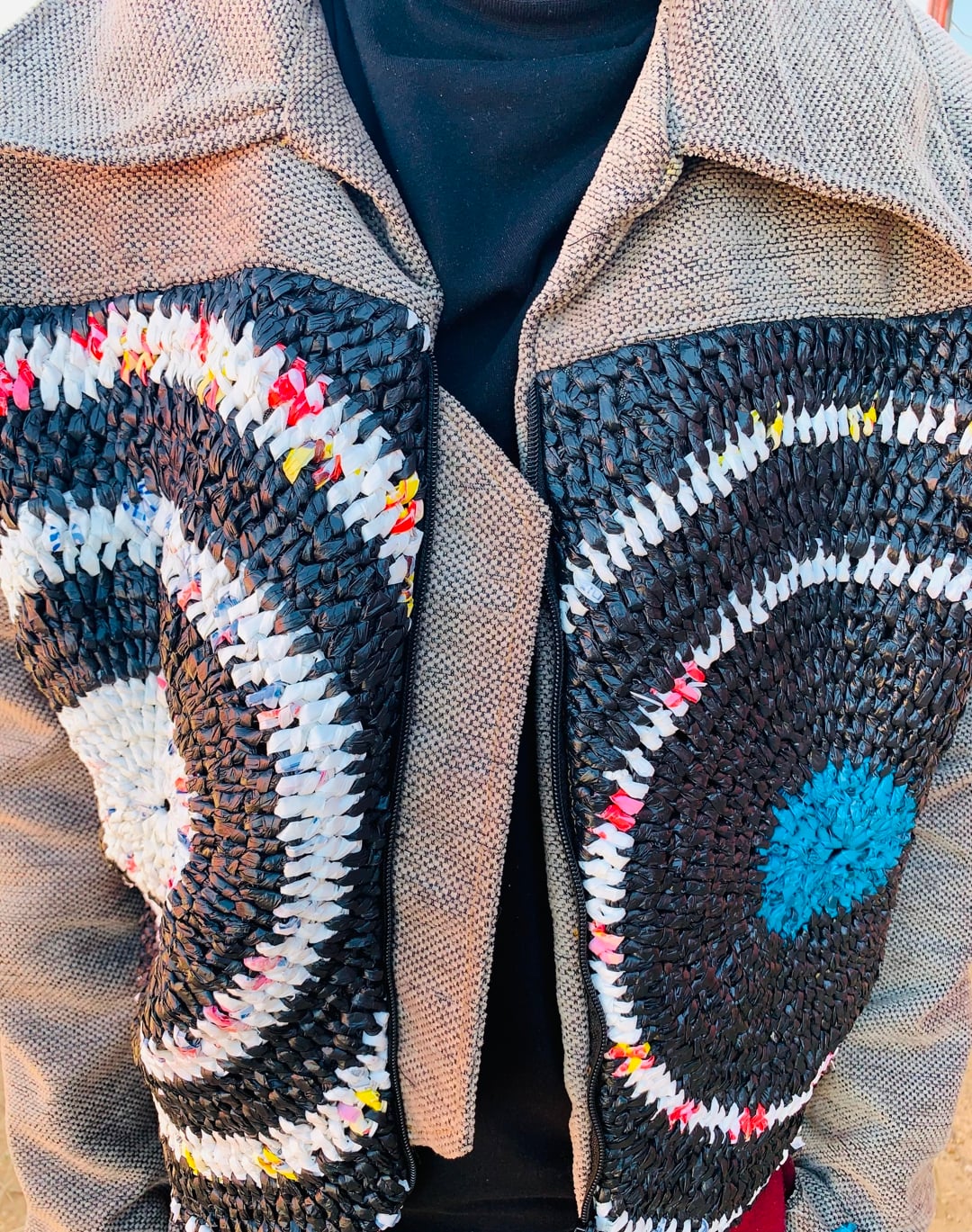
Raised by his grandmother in Umlazi, Minenhle Simelane has turned a traditional weaving skill into a thriving recycling business that transforms plastic waste into striking fashion.
Supplied/Minenhle Simelane
His first creations were colourful woven mats made from discarded plastic chip packets.
When he shared pictures of them on Facebook, he had no expectation that they would attract attention.
Within hours, the post had been shared more than 2 000 times.
He said:
The response was unbelievable. People started asking about my work, placing orders and inviting me for television interviews. That was when I realised people were ready to support something different.
As his confidence grew, so did his ambition.
One mat requires 500 and 800 discarded chip packets
In 2015, Simelane decided to take his recycling concept even further by incorporating plastic into fashion.
“I wanted to be different from every other fashion brand. There are many clothing brands, but I wanted people to see something they had never seen before.
“So I mixed fashion with plastic. People were amazed.”
Today his creations include jackets, dresses, hats, bags and other statement pieces made almost entirely from discarded plastic packaging.
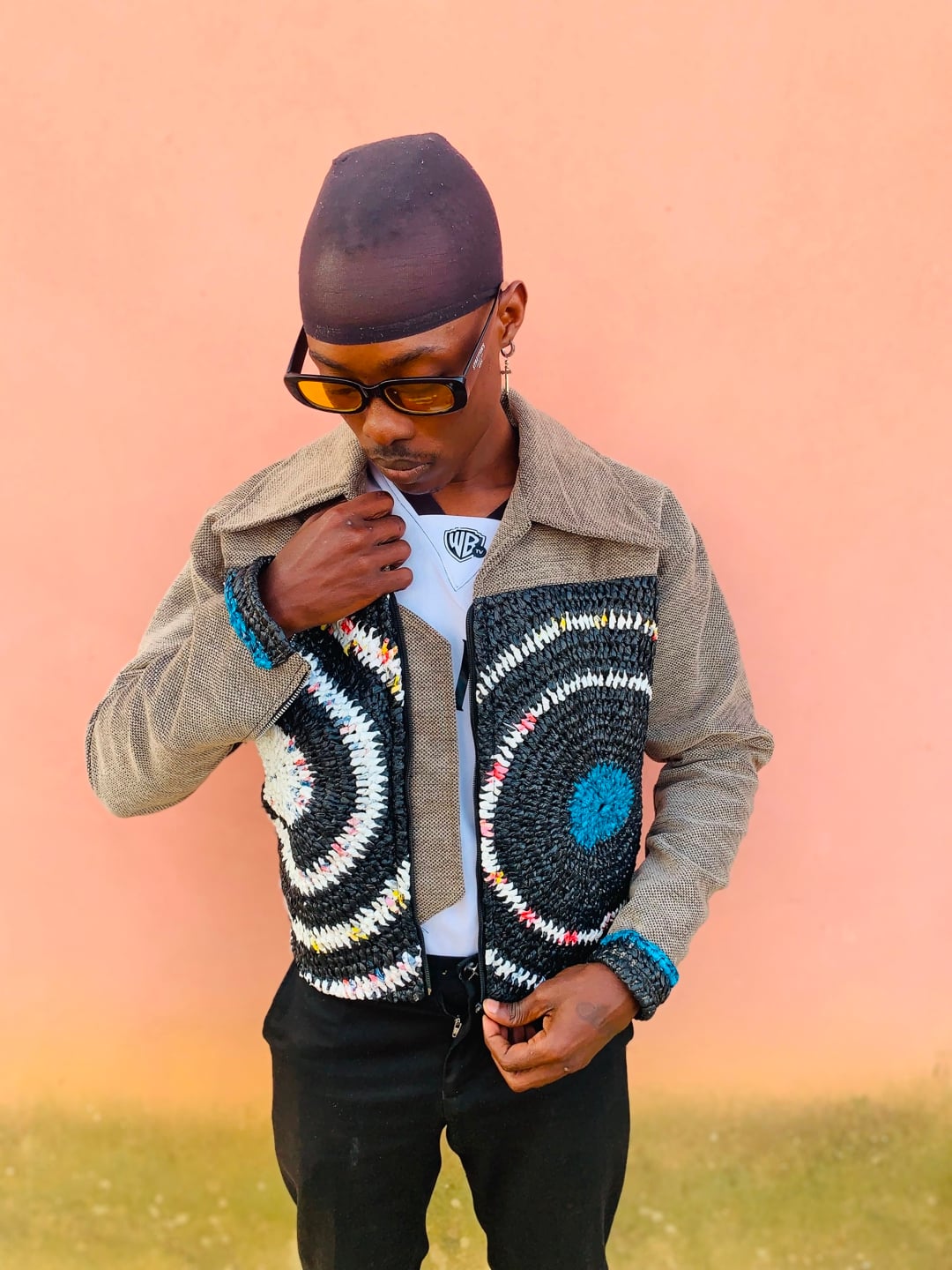
Raised by his grandmother in Umlazi, Minenhle Simelane has turned a traditional weaving skill into a thriving recycling business that transforms plastic waste into striking fashion.
Supplied/Minenhle Simelane
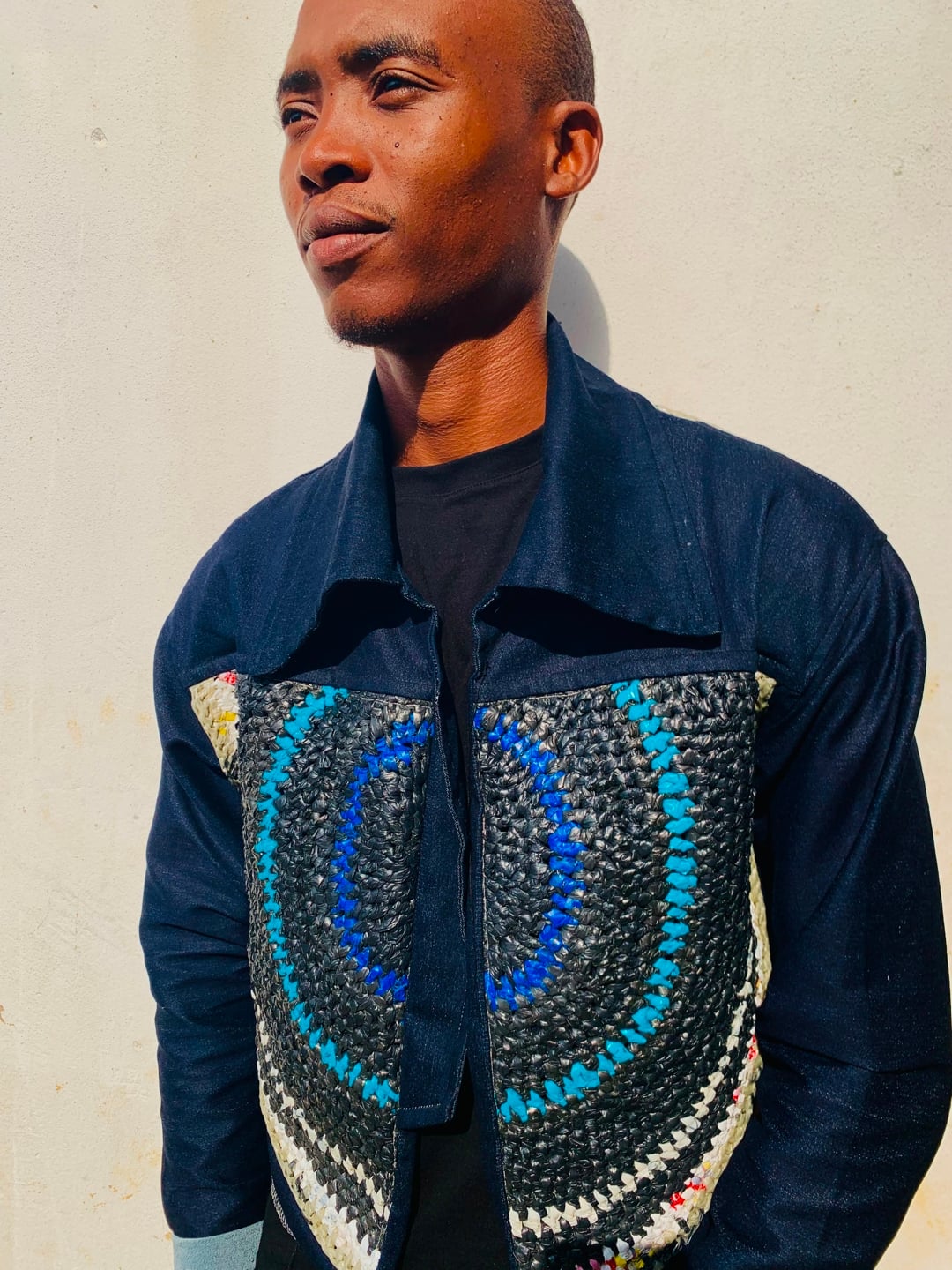
Raised by his grandmother in Umlazi, Minenhle Simelane has turned a traditional weaving skill into a thriving recycling business that transforms plastic waste into striking fashion.
Supplied/Minenhle Simelane
Beyond making bold fashion statements, each design represents hundreds of pieces of waste removed from the environment.
Creating one woven plastic mat alone requires between 500 and 800 discarded chip packets.
“If people buy my fashion, they are not only supporting me,” he said.
“They are also contributing to saving the planet.”
A river of waste
His environmental passion is deeply personal. As a child, Simelane spent countless hours swimming and fishing in the Umlazi River. Today, he says, the river has changed dramatically.
“When I was growing up, we used to swim there, and people caught fish to feed their families and sell at local markets.
“Now the river is filled with waste. Children cannot swim there anymore, and the fish are disappearing.
“That inspired me to do something about plastic pollution.”
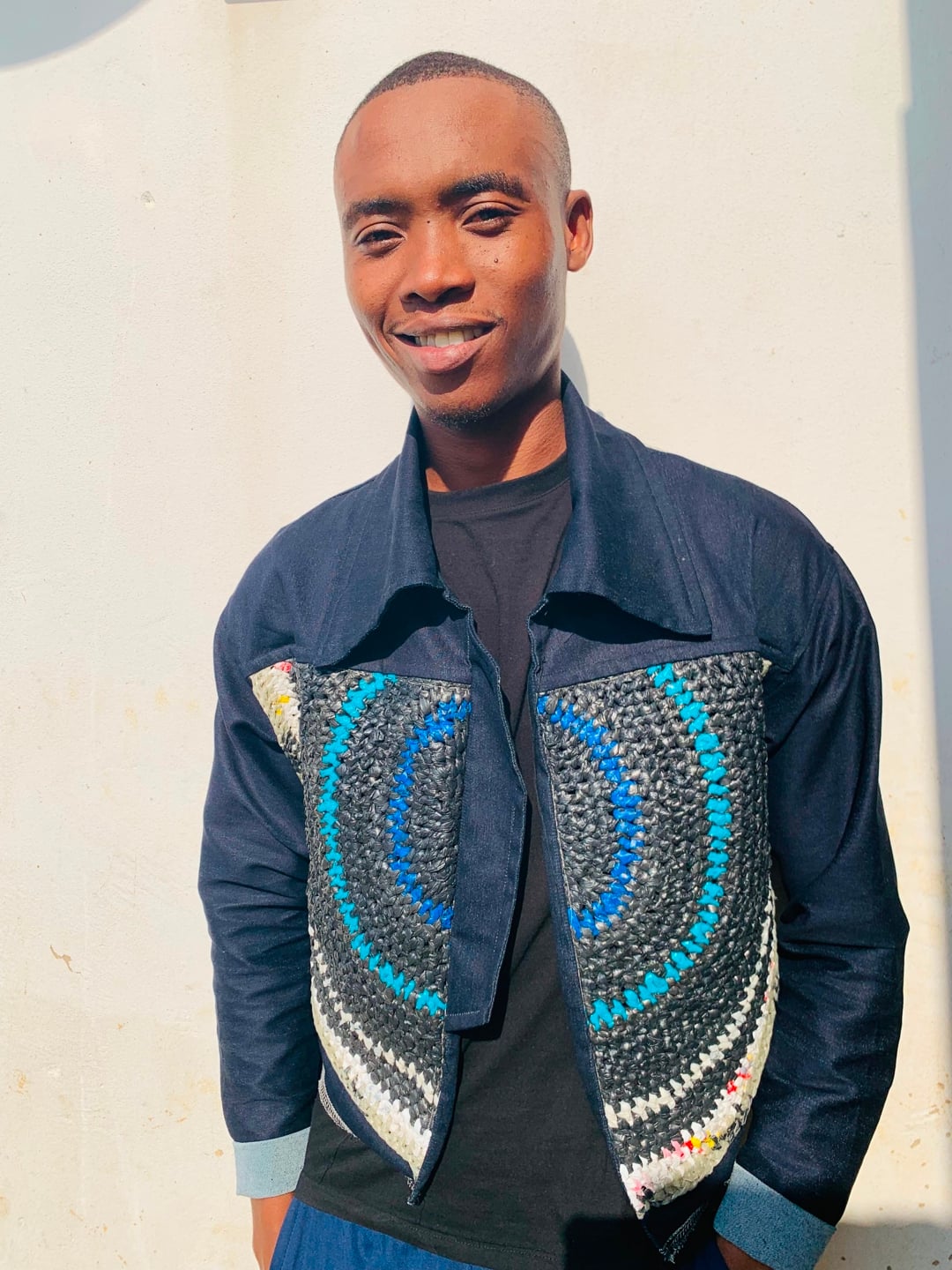
Raised by his grandmother in Umlazi, Minenhle Simelane has turned a traditional weaving skill into a thriving recycling business that transforms plastic waste into striking fashion.
Supplied/Minenhle Simelane
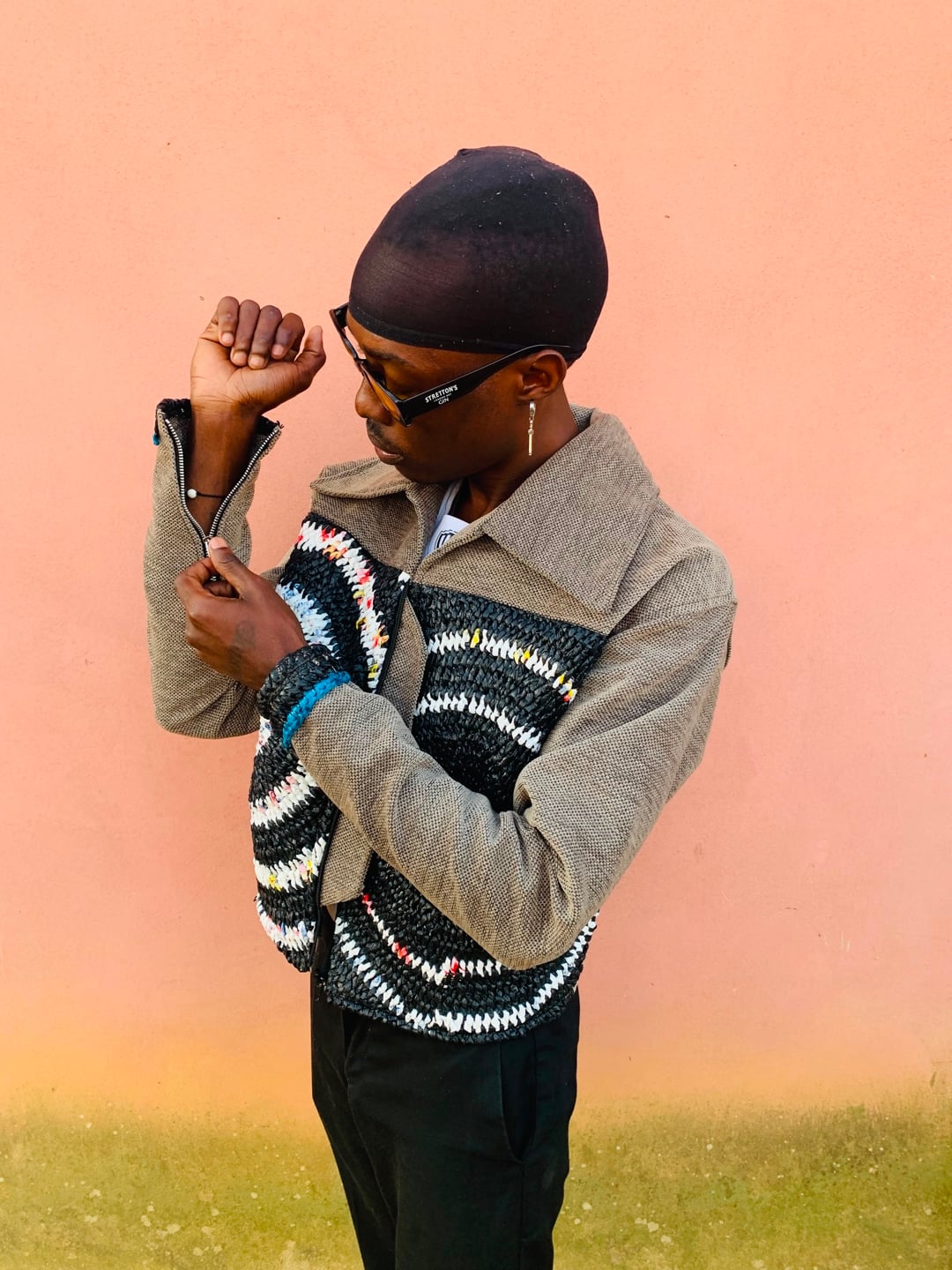
Raised by his grandmother in Umlazi, Minenhle Simelane has turned a traditional weaving skill into a thriving recycling business that transforms plastic waste into striking fashion.
Supplied/Minenhle Simelane
As demand for his products increased, Simelane realised he could no longer meet orders on his own.
In 2023, he registered his business, Umlazi Art and Recycling, allowing him to access opportunities previously unavailable to him as an informal entrepreneur.
He also returned to his family’s village near Eshowe, where he recruited elderly women who already possessed traditional weaving skills.
After teaching them how to adapt those techniques to use recycled plastic, he brought them into his growing production team.
Ten people employed
Today the business employs ten people, including five young people in Durban who assist during periods of high demand.
“Some of the grandmothers were working on farms, which is physically demanding work.
“Now they can earn an income using the skills they already had.”
READ | UCT prof had to keep news of her global science award secret for 6 months
The business has also inspired communities beyond KwaZulu-Natal. Supporters from different provinces collect used chip packets and courier them to Durban, helping supply the raw materials needed for production.
Schools, taxi ranks and local communities also contribute recyclable plastic that is cleaned before being transformed into new products.
Looking ahead, Simelane hopes to see his creations stocked in major retail stores, expand into international markets and establish training programmes that teach young people how to build sustainable businesses from waste.
“I want to show young people that waste can create opportunities.
“If more people buy products made from recycled plastic, we reduce pollution while creating jobs.”
He notes that plastic pollution is not only a South African problem but a global one.
“If we can expand into other provinces and eventually other countries, we can reduce plastic pollution on a much bigger scale.”
‘One might see rubbish, another sees treasure’
His message to aspiring entrepreneurs is simple: value can be found where others see nothing.
He said:
There is a saying that the builders rejected the stone that later became the cornerstone. It’s the same with waste.
“One person may see rubbish, but another person can turn it into treasure.”
For Simelane, every discarded chip packet represents more than litter.
It is another opportunity to stitch together fashion, sustainability and hope – one piece at a time.
If you have a great story to tell, email feelgood@news24.com.