
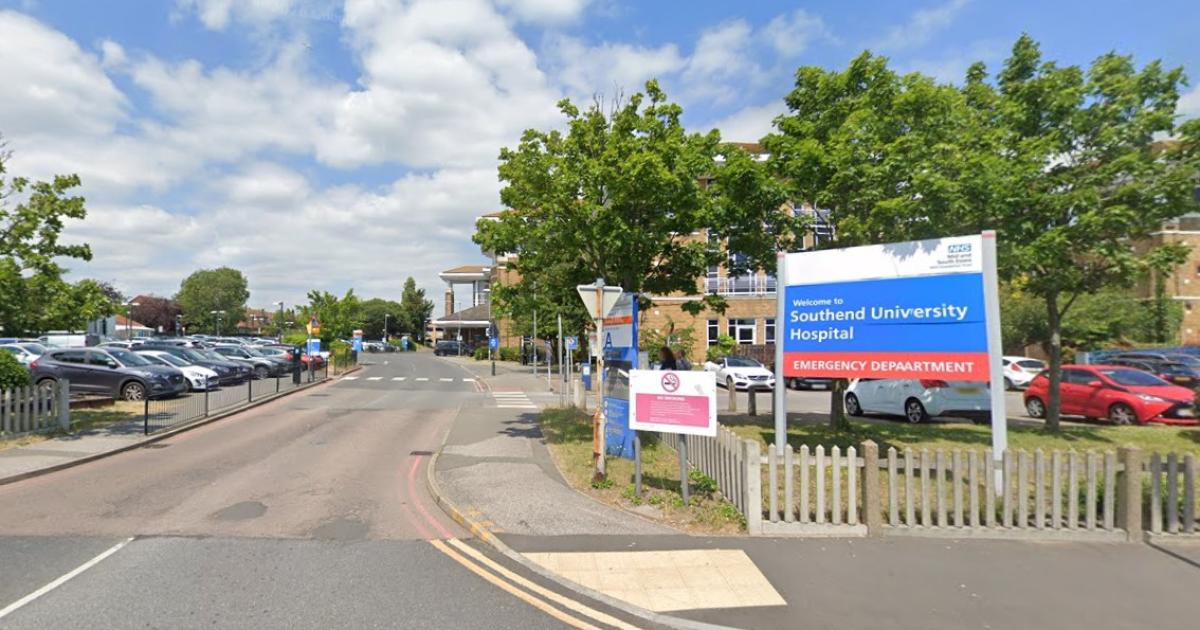
The warning comes as the county endures one of its longest hot spells of the year, with NHS services seeing increased demand from patients.
Speaking at a Southend Council meeting, cabinet member for social care and healthier communities Maxine Sadza said the impact on local healthcare services had been significant.
She said: “Southend Hospital has had increased pressure almost like what we get during winter time.”
The comments were echoed by Fiona Ryan, chief executive of Mid and South Essex NHS Foundation Trust, who said hospitals across the country had experienced a surge in demand during periods of extreme heat.
She said: “Like many hospitals across the country, we have experienced higher demand during periods of extreme heat.
“Attendances have increased at our emergency departments due to the impact of the heat on people’s health.
“In the continuing hot weather, we encourage people to use NHS 111 first for urgent health problems, keep hydrated and check in on vulnerable neighbours and loved ones.”
Southend’s director of public health, Krishna Ramkhelawon, said the situation locally had been more manageable than in some other parts of the country, thanks in part to awareness campaigns run by the council and NHS Essex.
“I think alongside the ICB, the council, through the public health team, got messages out to the community through social media pages as well,” he said.
“It is about keeping information out on the risks associated with it because we are probably into one of the longest spells of the current heatwave.
“We will continue to do that to minimise the impact on local services. In comparison to other areas, Southend was slightly better than other areas.”
Health officials have repeatedly urged residents to stay hydrated, avoid prolonged exposure to the sun in the hottest parts of the day and check on elderly relatives, neighbours and others who may be more vulnerable to heat-related illness.
However, independent councillor Steven Wakefield argued more should be done to promote protection from the sun, particularly around the use of sunscreen.
He said: “I mentioned advertising more about sunscreen in this weather and there should be more awareness of sunscreen, but that hasn’t come forth.
“If you don’t apply sunscreen you will get damage, serious damage or cancer. I think that needs to be addressed a bit more.”
Mr Ramkhelawon agreed, saying skin cancer prevention had been a priority for public health teams in Southend for several years.
He said teenagers aged between 14 and 18 were among those most at risk from excessive sun exposure and that work had been carried out in schools to raise awareness.
“We are also trying to use our youth as health champions to reinforce that information because, as you know, young people are more likely to listen to their peers,” he added.