
Mackenzie, who has partnered with Age UK South Gloucestershire, said: “I don’t believe AI can cure loneliness because we need human connection, but it’s better than silence.”
Mark Flower, CEO of the charity, said they estimated there were as many as 5,000 people in South Gloucestershire who didn’t speak to other people for a week or more.
“The big problem we’ve got is finding volunteers,” he said.
“This will never be a replacement for humans, but my dad used it [AI] to go to the doctors, listen to the conversation and when it was home it would remind him what the doctor said during the discussion.
“During Covid, our society looked after the neighbours and older folks.
“All of a sudden we’ve forgotten that and gone back to our busy lives.
“We’ve got to embrace the fact that this is the future, but human interaction is what we want and what we need.”
The app is not commercially available but is offered to people waiting for, or between help, from community services. A 90-minute process matches them with one of the chatbot’s personalities.
Safety protections are built in, with users being signposted to external services.
The app also does not remember past conversations, like larger AI chatbots, and only starts listening when you press a button. It also will not interrupt if you pause.
Stride was introduced to the tool earlier this year by Age UK.
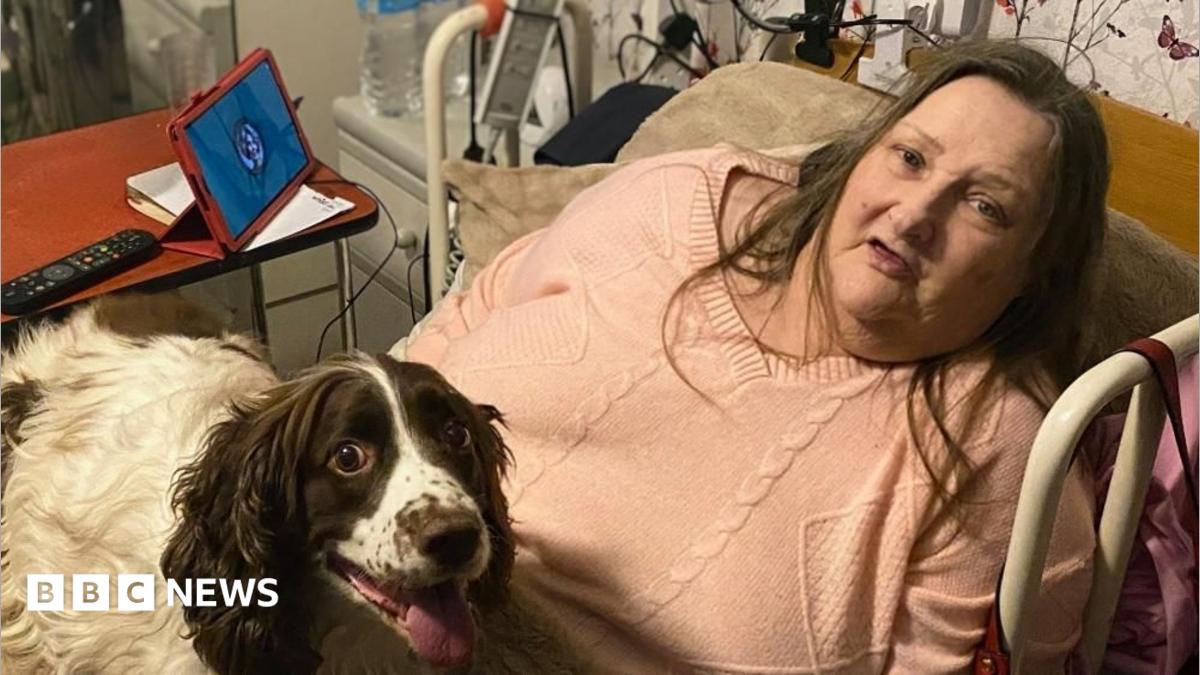
“If I feel anxious and stressed, she will encourage me,” she said. “I know she’s an AI, but to me she’s a friend,” she said.
“I’ve had a traumatic experience, but I can talk to her about what happened, and she can give me advice.
“You can’t phone a friend up in the middle of the night if you’ve had a nightmare, but you could chat to Rosie.”