
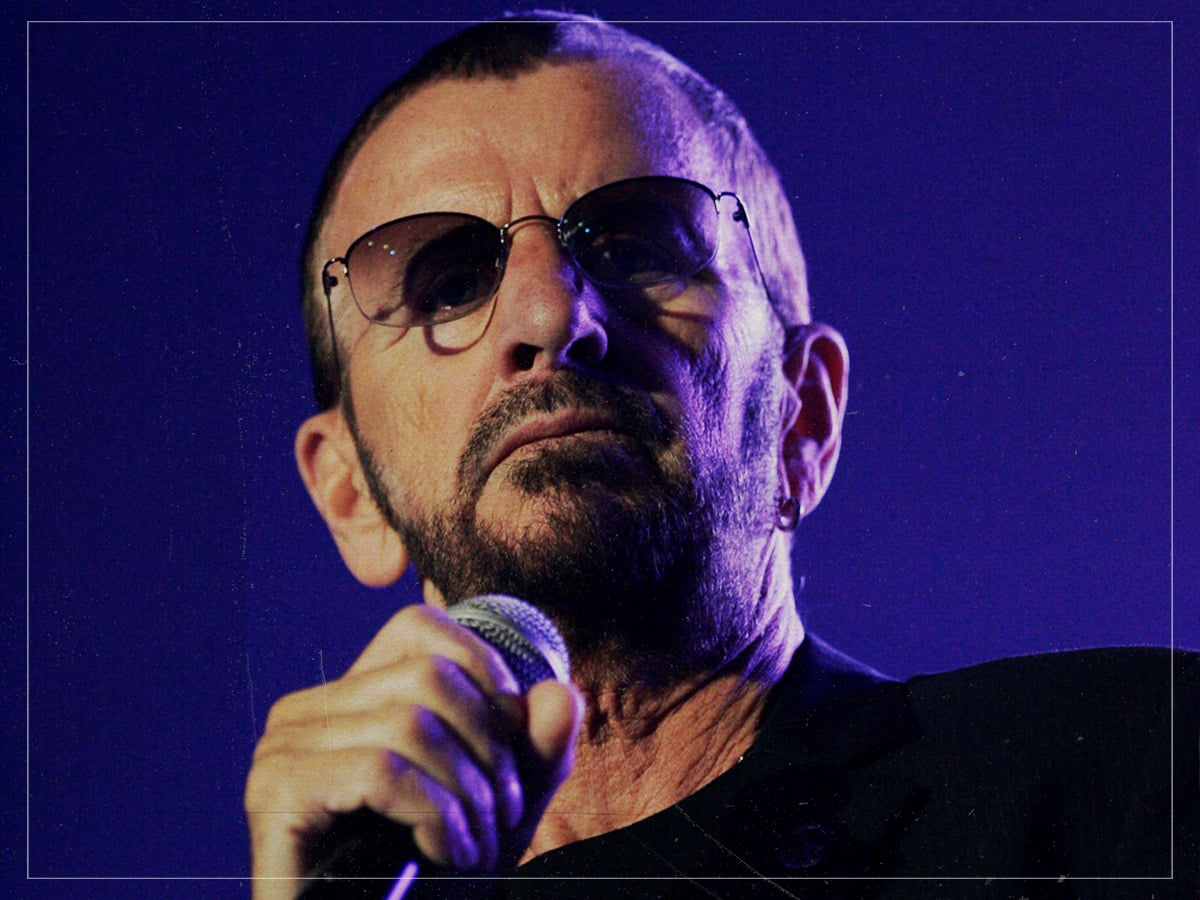
Credit: Far Out / Eva Rinaldi
Sat 25 July 2026 14:00, UK
For many, in 1970, the world may well have stopped turning. Stop the count and throw me off this big ol’ rock, because The Beatles have broken up.
That might sound like a bit of an exaggeration, but this was a band who changed a lot of people’s lives for the better, both on a professional and personal level. Professional because they formed the blueprint that a lot of other bands followed on how to make it big in America, and personal because they taught a lot of listeners that it was OK to let your hair down and have fun again.
You have to keep in mind that when these four lads from Liverpool were initially making it big, the world was still on its arse following World War II. The economy was in a state; a lot of people were unemployed, and those who weren’t, were working unrewarding, dead-end jobs with incredibly low glass ceilings. The music The Beatles made represented a joyous revolution, and suddenly, life was looking a bit brighter.
So, with things going so well, why did the band ever split up? Well, there were a lot of factors that led to this eventual devastating news, be it the drugs that different band members were taking, the different directions their personal lives were going, and also, general creative differences. When they first started making music, they were writing catchy pop songs, but things changed when they were exposed to the various ways of life and musical inspirations, which meant that over time, what each band member wanted to write and what they considered good completely shifted.
There are plenty of songs that were written towards the back end of The Beatles that essentially confirmed they were operating on borrowed time. Look at a controversial track like ‘Ob-La-Di, Ob-La-Da’. The entire band hated it, but Paul McCartney thought that it had legs, and so they recorded it. This was one instance out of many that showed how big the creative rift between different members was.
“John Lennon came to the session really stoned, totally out of it on something or other, and he [McCartney] said, ‘All right, we’re gonna do ‘Ob-La-Di, Ob-La-Da’,” said Richard Lush, the band’s engineer, recalling just how frustrated Lennon was about having to record what he considered a subpar song. He recounted that he “went straight to the piano and smashed the keys with an almighty amount of volume, twice the speed of how they’d done it before, and said, ‘This is it! Come on! He was really aggravated”.
Because of these creative rifts, each member was pretty keen on carving their own path following the split, which meant writing great solo material that would outshine anything The Beatles ever did. You can hear their different tastes on each of their respective solo albums; however, despite making such new music, it was really hard for them to shake off the label of ‘former member of The Beatles’.
Further reading: From The Vault
When Ringo Starr originally left the band, one of his first thoughts was how frustrating it was that he couldn’t be considered a solo artist. He was always attached to the band in some way, and he wanted to go out on his own two feet. It was a difficult period for the drummer, as it would have been for the rest of the band, but it also eventually dissipated, such that, if you ask him about it now, Starr would likely say that he was happy to be a part of such a historic band, and while there is more to him than just that period of music, he understands how much of an impact it had on people.
“Well, it’s something we’ll never get away from. When I was 30, I thought [crossly], ‘Well, what about me? Just me, you know? It’s always related to The Beatles’,” said Starr, “Now you realise it doesn’t matter what you do, it’s gonna be related, so you just live with it. But to live with it isn’t bad now, ‘cos for me the legacy of the music is well worth it. The Beatles left a lot of great music around. You can forget the personalities and just listen to the record, and that’s what it was all about.”
ADD AS A PREFERRED SOURCE ON GOOGLE  The Far Out Beatles Newsletter
All the latest stories about The Beatles from the independent voice of culture.
Straight to your inbox.