
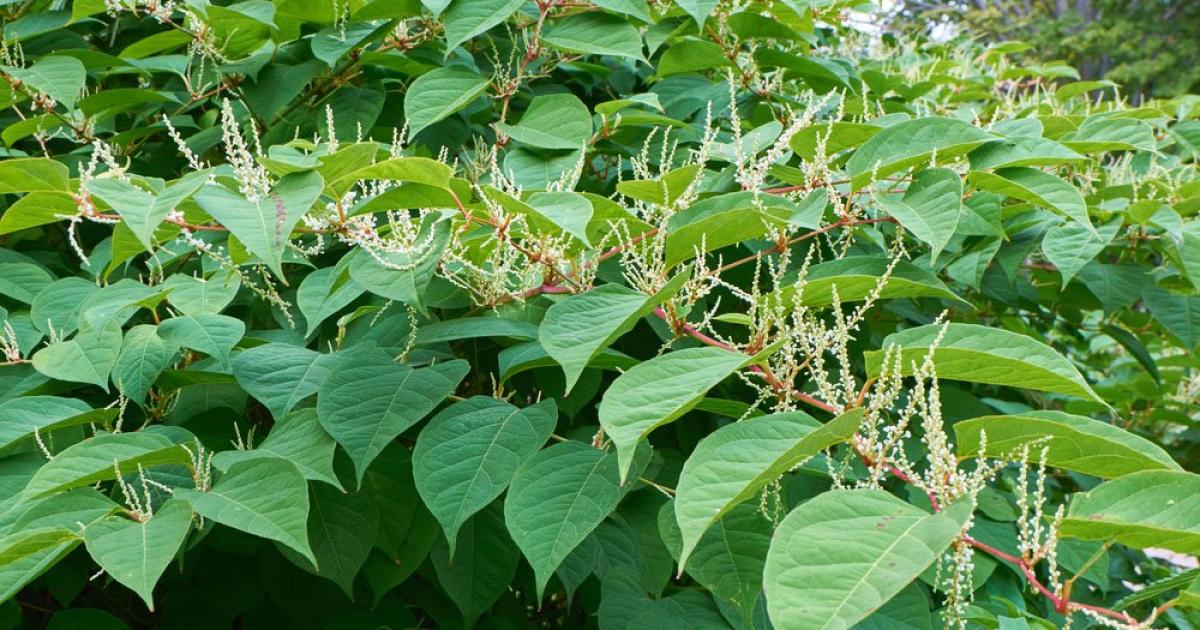
Here are seven culprits to watch for in your borders – and practical ways to tackle them before they take over.
1. Japanese knotweed
There are a large number of sightings of Japanese knotweed (Image: Contributed)
Japanese knotweed is one of the most notorious invasive plants in the UK and has multiple recorded hotspots in Suffolk, including more than 100 sightings around Ipswich this spring.
It can damage hard landscaping, overwhelm borders and even affect property values if left unmanaged.
How to get rid of it
Do not strim, mow or try to “chop it back” – this can spread fragments and make the problem worse.
For small patches, repeated cutting combined with careful digging out of the rhizomes over several seasons can weaken the plant, but total eradication is rarely quick.
For established infestations, specialist contractors and herbicide treatment plans are usually recommended, and waste must go via licensed routes rather than home compost.
2. Giant hogweed
Giant hogweed can cause severe skin burns. (Image: Property Care Association)
Giant hogweed has been identified as an injurious and invasive weed in Suffolk, with control work along rivers in the Stour catchment and removal services operating in towns such as Newmarket.
Its sap can cause severe skin burns and long‑term sensitivity to sunlight, making it a serious health hazard on paths, verges and gardens.
How to get rid of it
Never strim or mow giant hogweed, as this can spray sap and increase exposure risk.
Small plants can be dug out in early spring, severing the root at least 15cm below soil level and disposing of all material as controlled waste.
Larger stands near public rights of way or play areas should be tackled by professionals using approved herbicides and strict protective clothing.
3. Himalayan balsam
Himalayan balsam has become one of the most widespread non‑native invasive plants in the Stour Valley, with volunteer “balsam bashes” organised along Suffolk riverbanks to remove it.
Its explosive seed pods help it spread rapidly from watersides into gardens and damp corners, smothering native vegetation.
How to get rid of it
Plants are shallow‑rooted and can usually be pulled out by hand before they set seed, making it one of the easier invasives to tackle.
Cut or pull plants in early summer and leave them to decompose on site, ensuring stems and pods are not allowed to drop into watercourses.
Revisit infested areas for at least three seasons to deal with new seedlings, as the seed bank persists for several years.
4. New Zealand pygmyweed (Crassula helmsii)
New Zealand pygmyweed is a major invasive in ponds and wetland areas and is listed as a key threat in the River Stour catchment across Essex and Suffolk.
It forms dense mats that quickly choke wildlife ponds, ditches and margins, outcompeting native aquatic plants.
How to get rid of it
Avoid breaking it up with rakes or nets, as tiny fragments readily regrow and spread.
Dig out and remove whole mats where possible, with repeated follow‑up checks for regrowth.
Do not tip pond waste or aquarium contents into watercourses or wild areas; dispose of material via council green waste or sealed rubbish, following invasive‑plant guidance.
5. Water fern (Azolla filiculoides)
Water fern (Azolla) is another non‑native invasive recorded as a priority species in the Stour Valley, including sites that straddle the Suffolk border.
Left unchecked, it can carpet the surface of ponds and slow‑moving water, cutting out light and oxygen for fish and other wildlife.
How to get rid of it
Skim off thick mats with nets or boards, aiming to remove as much biomass as possible.
Repeat removal several times through the growing season, as fragments left behind will recolonise quickly.
As with other aquatic invasives, treat all waste as potentially contaminating – never dump it in neighbouring ditches or compost heaps.
6. Floating pennywort
Floating pennywort has been identified as a non‑native invasive species in the Stour catchment area, where it causes particular problems in slow‑moving rivers and drainage channels.
Its long trailing stems and dense rafts can block waterways and colonise garden ponds connected to streams or culverts.
How to get rid of it
Carefully lift out whole rafts rather than chopping them, as stem fragments can root and spread downstream.
Larger infestations in rivers are best reported to local environmental bodies or river trusts so they can co‑ordinate control work.
Gardeners should avoid buying or swapping this plant and check any “pond clear‑outs” for stray pieces before disposing of waste.
7. Broad‑leaf dock and ragwort in lawns and paddocks
While often seen as just “weeds”, broad‑leaf dock and common ragwort are classed as injurious species under the Weeds Act and highlighted by Suffolk Highways as needing control on public land.
They can spread from verges into gardens and paddocks, where ragwort in particular poses a risk to grazing animals.
How to get rid of them
Dig out docks, aiming to remove as much of the taproot as possible, and avoid shaking soil that may contain viable seed back onto beds.
Pull ragwort rosettes before flowering, using a specialist ragwort fork for established plants and disposing of them via council waste rather than home compost.
Regularly deadhead missed plants to prevent them seeding into neighbouring gardens and allotments.