
Pembrokeshire currently ranks 13th in Wales for collection costs.
More than 1.26 million incidents of illegal dumping have been reported nationwide in the past year.
No council in Wales currently offers free bulky waste collection, and costs vary widely by area.
Ceredigion County Council charges up to £67.50 for six items, rising to £135 for larger loads, while Blaenau Gwent charges just £7.10 for a single item.
Pembrokeshire sits mid-table, reflecting what waste management experts have called a “postcode lottery” in collection fees.
Mark Hall, spokesman for waste management company BusinessWaste.co.uk, said: “It’s clear there is a real postcode lottery for bulky waste collections across the UK, with some councils providing a free service while the minimum charge from others nears £100.
“Council bulky waste collections provide a great option for residents who may struggle to transport items to their local Household Waste and Recycling Centre.
“They help ensure streets are kept clean and neighbourhood quality is maintained, so the service must be kept at an accessible price point.”
The data analysis by BusinessWaste.co.uk highlights increasing costs across Wales, where average bulky waste collection charges have risen by nearly 14 per cent since early 2025, bringing the typical minimum fee to £34.
This makes Wales the sixth highest region in the UK for rising bulky waste fees.
By contrast, London has seen average prices fall by more than five per cent, with several councils now offering free collections and others significantly reduced charges.
The rising costs have raised concerns about unintended consequences, especially in rural areas like Pembrokeshire, where travel to recycling centres can be challenging without private transport.
For many residents, a council bulky waste collection may be the only practical option.
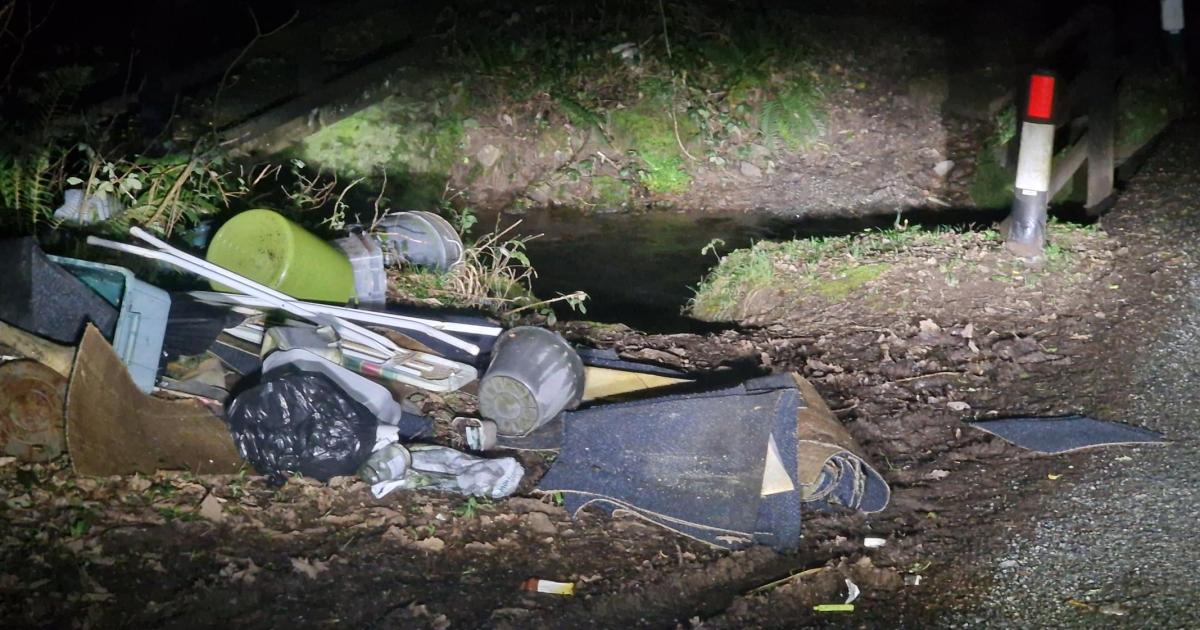
However, if these services are seen as unaffordable, some may resort to illegal dumping instead.
Fly-tipping does more than spoil the landscape.
Each incident can cost councils thousands of pounds to clean up, diverting resources from other services.
In Pembrokeshire and across Wales, authorities have increased enforcement efforts by issuing fines and using surveillance cameras in fly-tipping hotspots.
However, prevention remains the preferred approach among industry professionals.
Experts say keeping bulky waste collection affordable is crucial to reducing fly-tipping long term.
As illegal dumping continues to climb, the debate is likely to continue over whether higher fees save money or simply shift the cost elsewhere.