
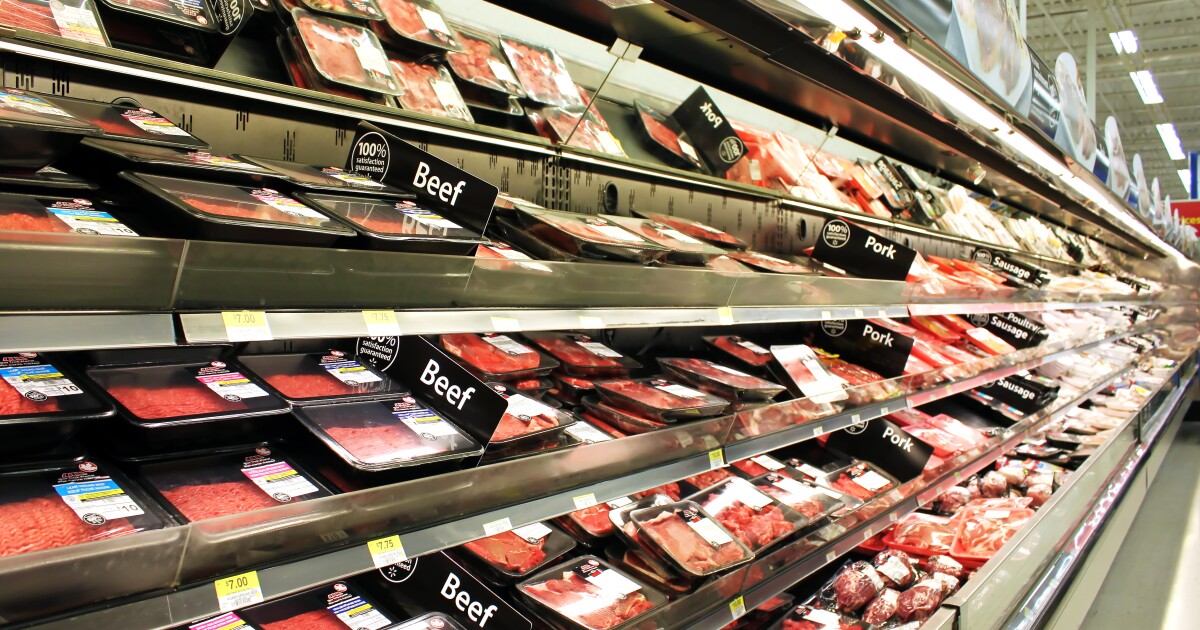
Many Americans are looking for ways to save money wherever they can.
In April, grocery prices rose 2.9%, driven by higher fuel costs tied to the Iran conflict, weather impacts, and trade policies.
More recently, a strategy called “backwards shopping” has gained popularity as a way to cut costs by encouraging more intentional purchasing. The method is designed to help shoppers avoid overbuying.
RELATED STORY | ‘Backwards shopping’: A new strategy to cut your grocery bill
As people across the country struggle to make ends meet, a recent study found that one in five Americans are dipping into their savings accounts to pay for groceries.
That’s according to the Urban Institute, a Washington, D.C.-based nonpartisan group that tracks economic and social policy trends annually.
The survey also found that nearly 35% of consumers bought groceries with a credit card in 2025 and paid the balance in full.
RELATED STORY | Eat it or toss it? What the ‘best by’ date on your groceries really means
It also found that nearly 1 in 10 adults are using Buy Now, Pay Later options to pay for groceries. The short-term financing method allows shoppers to split purchases into smaller payments.
Among those who used Buy Now, Pay Later services for groceries, one in three missed a payment.
Nearly 20% of respondents said they are using savings that were not intended for daily expenses.