
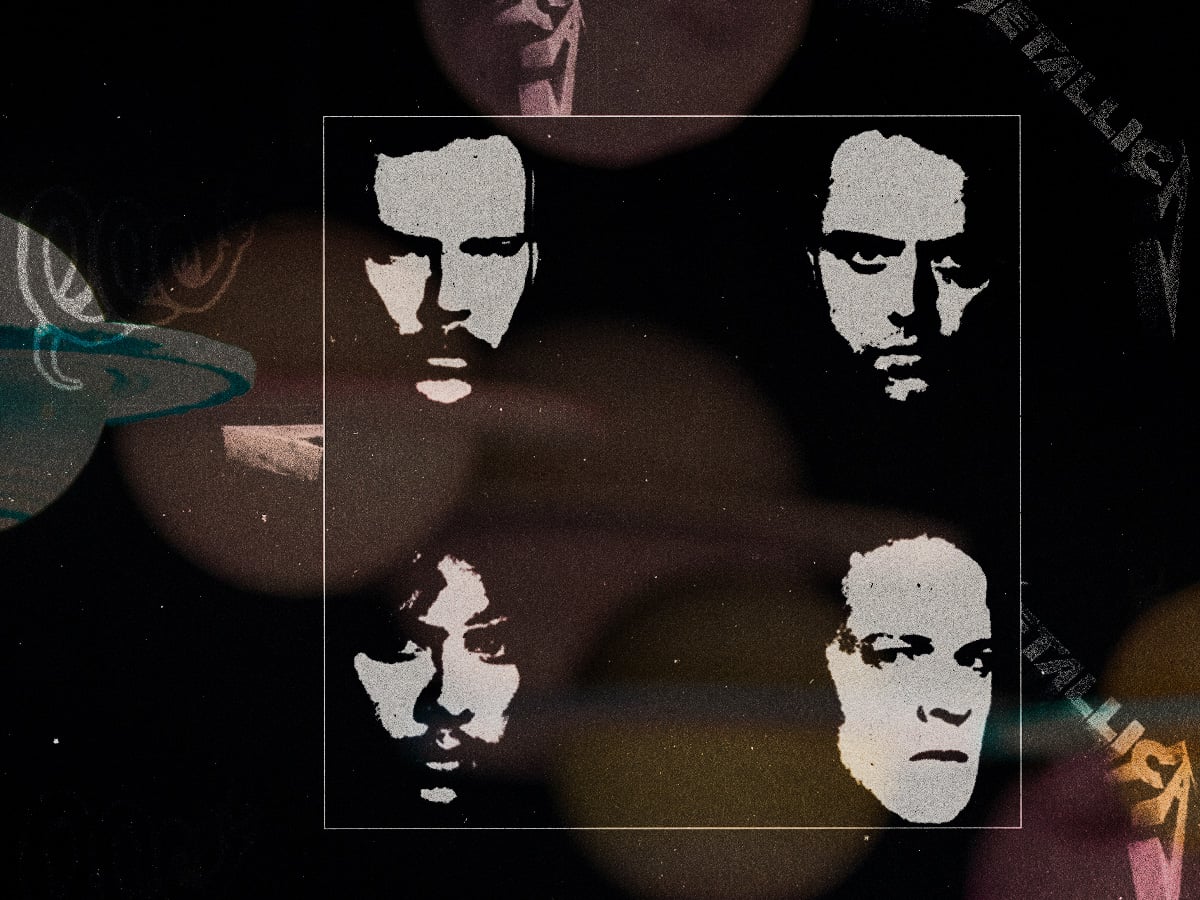
Credit: Far Out / Metallica / Album Cover
Wed 29 July 2026 6:00, UK
A lot of people who aren’t well-versed in heavy metal would likely say every song within the genre sounds the same; however, I would defer those people to bands like Metallica.
These were one of the many bands at the back end of the 1970s/beginning of the 1980s who had had their world flipped upside down by Black Sabbath. The moment those boys from Birmingham started churning out what we now lovingly refer to as metal music, a new purpose within both life and sound was stumbled upon, and it led to the development of a number of bands that were practising different subsections within the genre.
“Sabbath was the band that put heavy in my head,” said James Hetfield, “That first Sabbath album I would sneak out of my brother’s record collection and play on the forbidden record player. I wasn’t supposed to touch any of that stuff, but I did, and the first Sabbath album got in my head. That initial song, ‘Black Sabbath’, was the one when you’d put your headphones on and sit in the dark and get scared to death. Then the Devil’s riff comes in, and it got you!”
Of course, for these newly inspired musicians, it wasn’t enough to merely recreate the sound that Black Sabbath had made famous; they had to expand upon it. This is what led to the birth of all the different metal subgenres that we have today. If you had to pick one that goes best with Metallica, you would pick thrash metal, as the band essentially cemented themselves as the masters of it throughout the ‘80s.
As the decade passed, it seemed that each album Metallica put out was getting more progressive, aggressive and experimental. Fans were loving it, and they had carved out a niche for themselves that they were considered the absolute top of the tree within. Of course, that’s not the Metallica we know today. Playing to sold-out arenas around the world hardly spells out ‘niche’, does it? So, what happened? Well, after the release of the final album of the ‘80s, …And Justice For All, the band decided to begin stripping things back slightly.
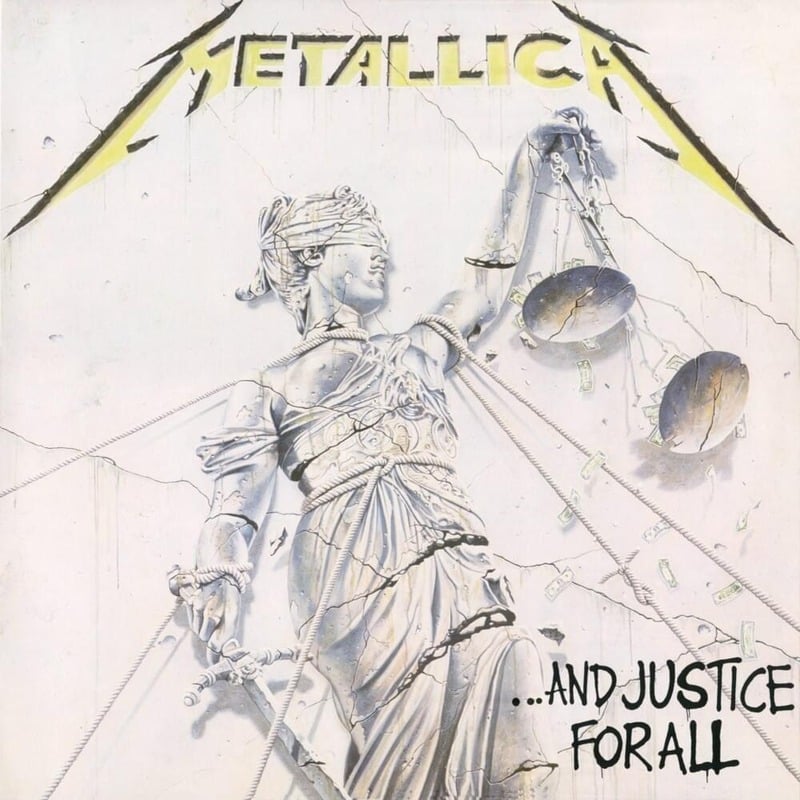 Credit: Press
“I look at it very practically,” said Lars Ulrich, “With the first four Metallica albums, it was a journey that sort of got more and more progressive, more and more crazy and kooky and long-winded. It got sort of nuttier and nuttier along the way. So when we were done with the Justice cycle, we were like, ‘OK, there’s got to be a reset here, because we can’t just keep going longer and crazier and more progressive’.”
The band were all on the same page with this new approach to writing, and it led to the creation of some of their most commercially successful songs. Overnight, Metallica had turned from thrash metal icons to household names.
The balance they managed to strike was pretty monumental, as there was enough of those thrash elements still in their sound that the original fans didn’t feel let down, but it was also accessible enough to those not familiar with the scene, so they suddenly had a brand new fan base. What was the first song they wrote with this new approach? Well, it was the track that people still go crazy for to this day.
“It’s sort of like we hit a wall,” said Ulrich, “So when we got together to write the next batch of songs, the mission statement was: simplify. And the first song we wrote, on day one, was ‘Enter Sandman’”.
Right song, right time, the moment this track, and the album it was listed on, which is called Metallica but fans know as the Black Album, hit the airwaves, it ushered in a brand new era for the band. They were given a nice stretch of path that they could run freely on. Now, 35 years later to the day of the release of ‘Enter Sandman’, the metal icons haven’t stopped running.
“The planets were aligning,” admitted Ulrich, “It’s like you’re guided by some sort of cosmic energy, it steers you”.
